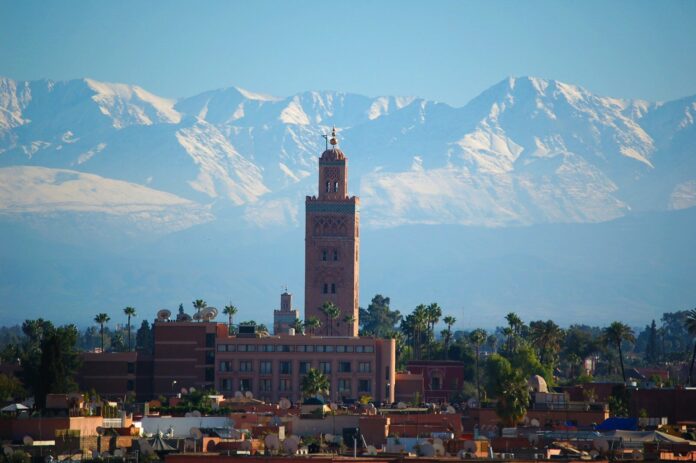
Moroccan Marrakech pulled in nearly 4 million visitors in 2024, according to the Marrakech-Safi Regional Tourism Council, and most of them arrived with the same two worries: how not to get lost, and how not to get ripped off. Both are fair. The Red City is loud, layered and brilliantly confusing, and the travelers who enjoy it most are the ones who land with a plan.
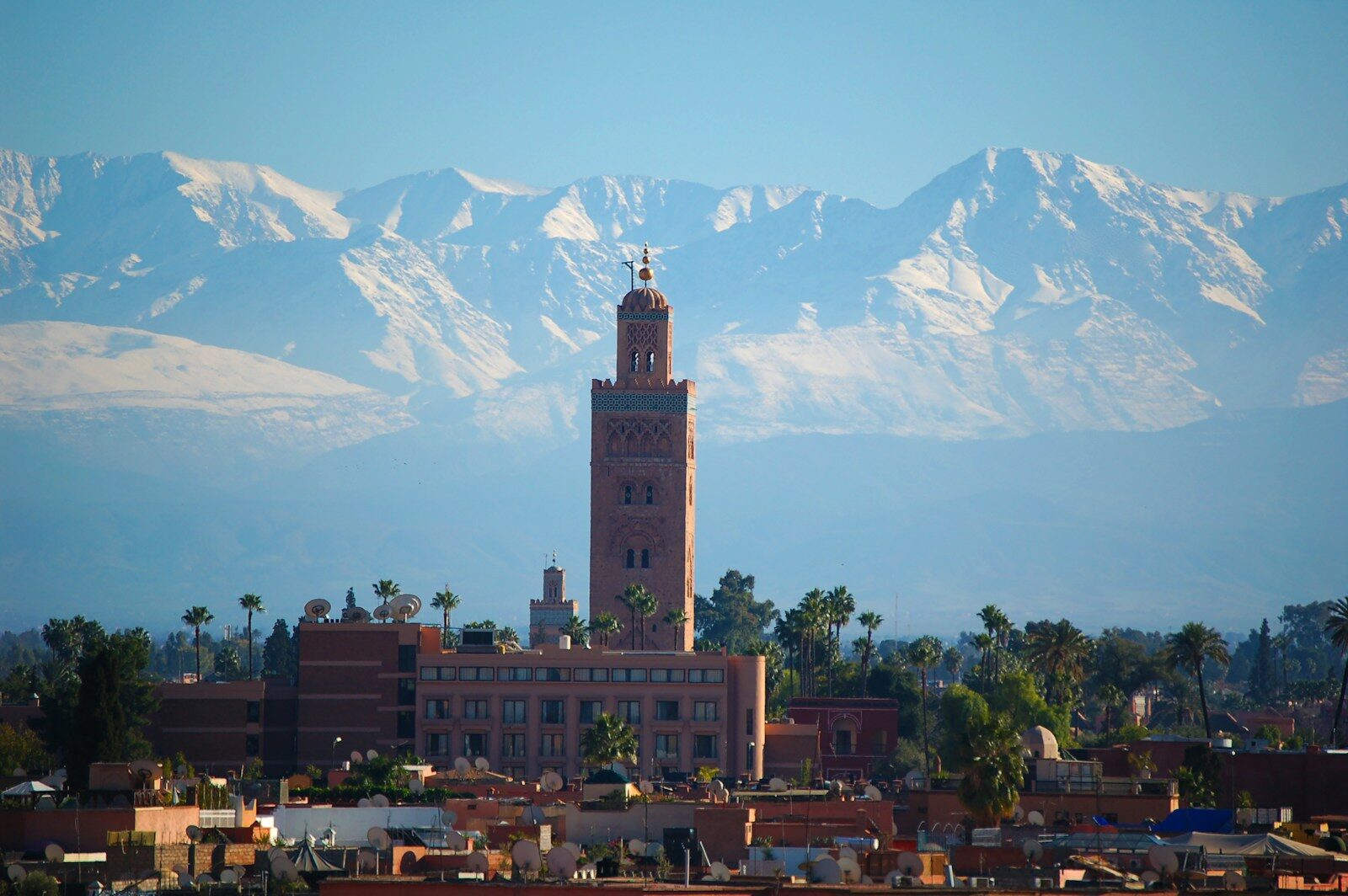
This guide is that plan. It is written for first-timers who have three to five days, a sensible budget and a healthy fear of tourist traps. You will find the sights that genuinely deserve your time, what each one costs in dirhams, where to sleep, where to eat, which day trips are worth the early alarm, and the short list of things to avoid in Marrakesh.
We built it from repeated stays in the medina and the new town, and from the questions our readers send us most often. Prices are given in Moroccan dirhams (MAD), because that is what you will pay in, and they reflect what visitors are being charged right now rather than what an old guidebook promised.
The city also rewards people who slow down. A single morning can hold a 12th-century minaret, a spice square, a rooftop lunch and a garden that looks painted. The trick is sequencing those moments so the crowds, the heat and the hustlers never line up against you.
By the end you will know how to get from the airport to your riad without overpaying, which ten Marrakech points of interest to put first, how much a realistic day costs, and whether the city is right for your style of travel. If you are still shaping a wider route around the country, our Morocco itinerary guide shows where Marrakech fits best.
Moroccan Marrakech at a Glance: What the Red City Is Famous For
Marrakech was founded in the 11th century by the Almoravids and served as an imperial capital under several dynasties. Its walled medina, the old city, is a UNESCO World Heritage Site, and it still works as a living neighborhood: people are born, work, shop and pray inside those ochre walls every day.
The city is famous for a handful of things it does better than anywhere else in North Africa. Jemaa el-Fna, the giant central square, turns into an open-air food hall and street theater every night. The souks run for kilometers, sorted by trade. The palaces and madrasas show off Moroccan craftsmanship at its peak, with carved cedar, painted ceilings and zellige tilework that took generations to perfect.
It is also famous for its riads, the inward-facing courtyard houses that turn a noisy alley into a silent garden the moment you close the door. Add the Majorelle Garden, the Atlas Mountains on the horizon and a dining scene that ranges from 30-dirham bowls of harira to tasting menus, and you can see why Moroccan Marrakech is the country’s most visited city.
Why Marrakech feels different from the rest of Morocco
Fez is older and more scholarly. Chefchaouen is calmer and bluer. Casablanca is a business city. Marrakech is the showman: theatrical, commercial and openly built around visitors, which is both its charm and its challenge.
That commercial energy means you will be approached more often here than in Rabat or Tangier. It also means Marrakech has the best range of hotels, guides, restaurants and excursions in the country. Accept the hustle as part of the scenery, set your boundaries early, and the city becomes far easier to enjoy.
The two halves of the city
Think of Marrakech as two connected towns. The medina holds almost every historic sight, the souks and most riads. Gueliz and Hivernage, the new town built during the French protectorate, hold the wide boulevards, the train station, modern cafés, galleries and most of the large Marrakech hotels.
A petit taxi between the two takes 10 to 15 minutes and usually costs 20 to 40 MAD. Many visitors sleep in the medina for atmosphere and spend one evening in Gueliz for a change of pace. That mix gives you the romance of the old city without feeling trapped by it.
When to visit
Spring (March to May) and autumn (late September to November) are the sweet spots, with warm days and cool evenings. Summer regularly pushes past 40°C, which makes midday sightseeing hard work. Winter days are bright and pleasant, but nights get cold, and many riads have little heating, so pack a warm layer.
Check the dates of Ramadan before you book. The city still welcomes visitors, but some restaurants close by day, opening hours at monuments shorten, and evenings take on a festive, late-night rhythm that is wonderful to see if you plan for it.
Getting In: Marrakech Airport, Transfers and Your First Hour
Marrakech Menara Airport (RAK) sits only about 6 km southwest of Jemaa el-Fna, which makes it one of the most convenient city airports in Africa. Direct flights arrive from most European capitals, and connections through Casablanca cover the rest of the world.
The airport is also growing. The national airports office has awarded a contract to enlarge the terminal to around 142,000 square meters, lifting annual capacity from roughly 9 million to 16 million passengers. Expect some construction noise and longer walks during the works, and give yourself extra time at passport control in peak season, when queues can stretch past an hour.
Bus, taxi or transfer from Marrakech airport
You have four realistic ways into the city, and the right one depends on your luggage, your arrival time and where you are staying.
| Option | Typical cost | Time to medina | Best for |
|---|---|---|---|
| ALSA bus line 19 | About 30 MAD one way, 50 MAD return | 25 to 40 minutes | Solo travelers with light bags |
| Airport petit taxi | About 70 to 150 MAD (night fares higher) | 15 to 25 minutes | Couples arriving by day |
| Ride-hailing app | About 70 to 100 MAD | 15 to 25 minutes | Late arrivals who hate haggling |
| Riad or private transfer | About 150 to 250 MAD per car | 15 to 25 minutes | First-timers staying deep in the medina |
Airport taxis use posted fixed fares rather than the meter, so read the board in arrivals and agree the price before the car moves. If your riad is inside the medina, cars cannot reach the door. A pre-booked transfer usually includes a porter who walks you through the alleys, and for a first night that is worth every dirham.
Getting around the medina
Inside the walls you walk. The medina is a maze of lanes that GPS handles badly, so download an offline map and pin your riad before you arrive. Learn two or three landmarks near your door, such as a mosque, a fountain or a gate, because they are more useful than street names.
Motorbikes and donkey carts share the lanes with pedestrians. When you hear “balak,” step aside: it means “watch out.” Outside the medina, petit taxis are cheap and plentiful. Ask the driver to use the meter, or agree a fare first, and keep small notes because change is often “unavailable.”
Money, SIM cards and the first hour
Cash still rules in the souks, at small restaurants and at most monument ticket desks. Withdraw dirhams from a bank ATM at the airport or in Gueliz, and carry a mix of small notes and coins for taxis, tips and tea.
A local SIM card with data costs very little and is sold at the airport. It makes maps, ride-hailing apps and messaging your riad far easier. Once you have cash, data and a ride, your first hour is solved, and you can start on the sights.
10 Must-See Marrakech Points of Interest
There are dozens of Marrakech points of interest, but ten of them deliver most of the magic. The list below follows a logical walking order, so you can group neighbors and avoid crossing the medina twice. If you want an even longer list with hidden corners, our guide to the 15 best things to do in Marrakech goes further.
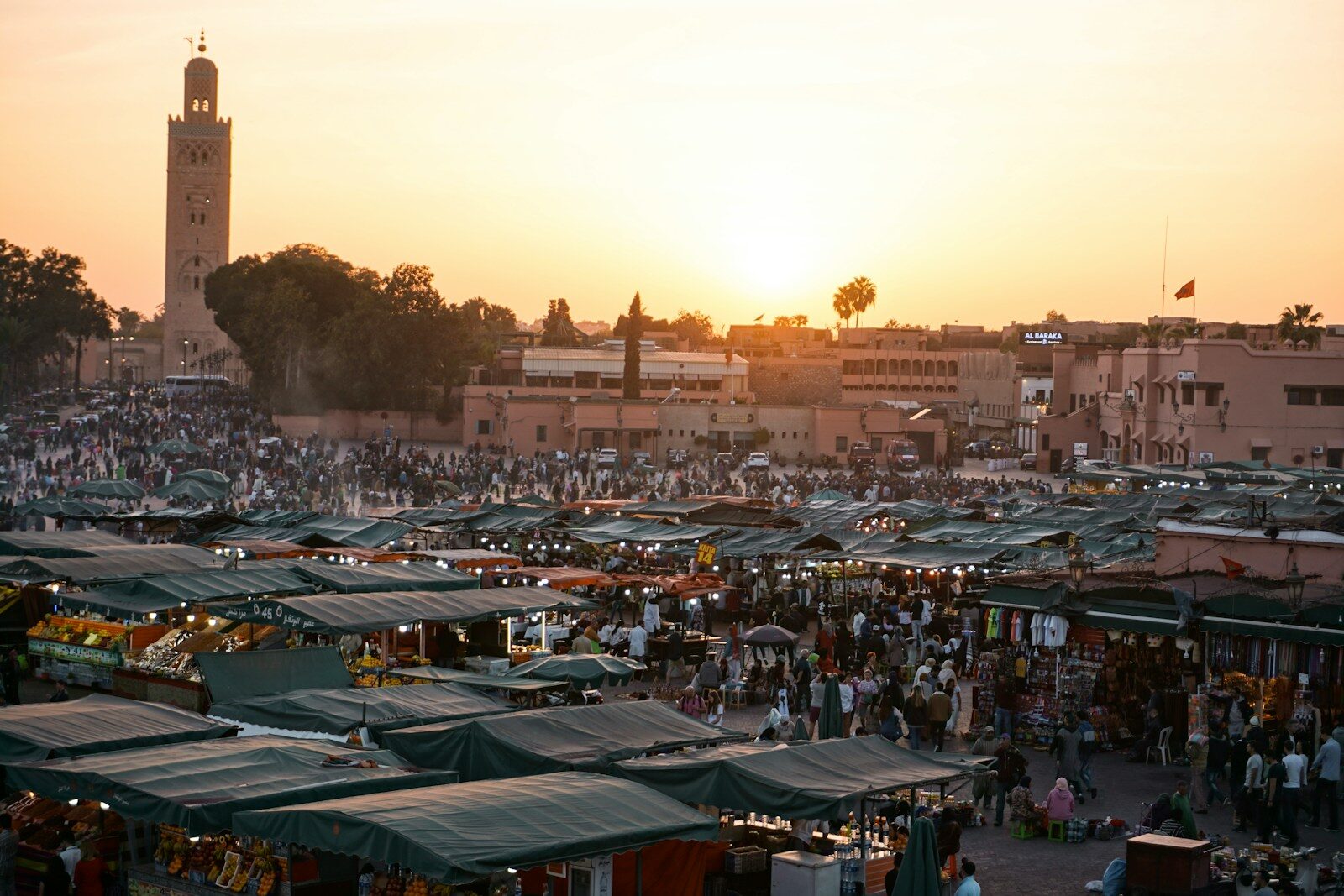
1. Jamaa Fna Marrakech: the square that never stops
Jemaa el-Fna (often spelled Jamaa el-Fna) is the heart of the city and the reason UNESCO created a category for intangible heritage. By day it is a wide, sunbaked space of orange-juice carts, henna artists and snake charmers. By late afternoon, smoke rises from the food stalls, storytellers gather crowds and musicians start playing until well past midnight.
Entry is free, but photos are not. If you point a camera at a performer or an animal handler, expect to be asked for 10 to 20 MAD. The best way to take it in is from a café terrace above the square with a mint tea, then walk down once the lights come on.
2. Koutoubia Mosque and its gardens
The Koutoubia minaret, roughly 77 meters tall, has been the city’s landmark for more than eight centuries and inspired towers in Seville and Rabat. Non-Muslims cannot enter the mosque, but the gardens behind it are free, shaded and a fine place to rest between sights.
Come at sunset, when the stone turns pink and the call to prayer rolls across the rooftops. It sits five minutes from Jemaa el-Fna, so it pairs naturally with your first evening.
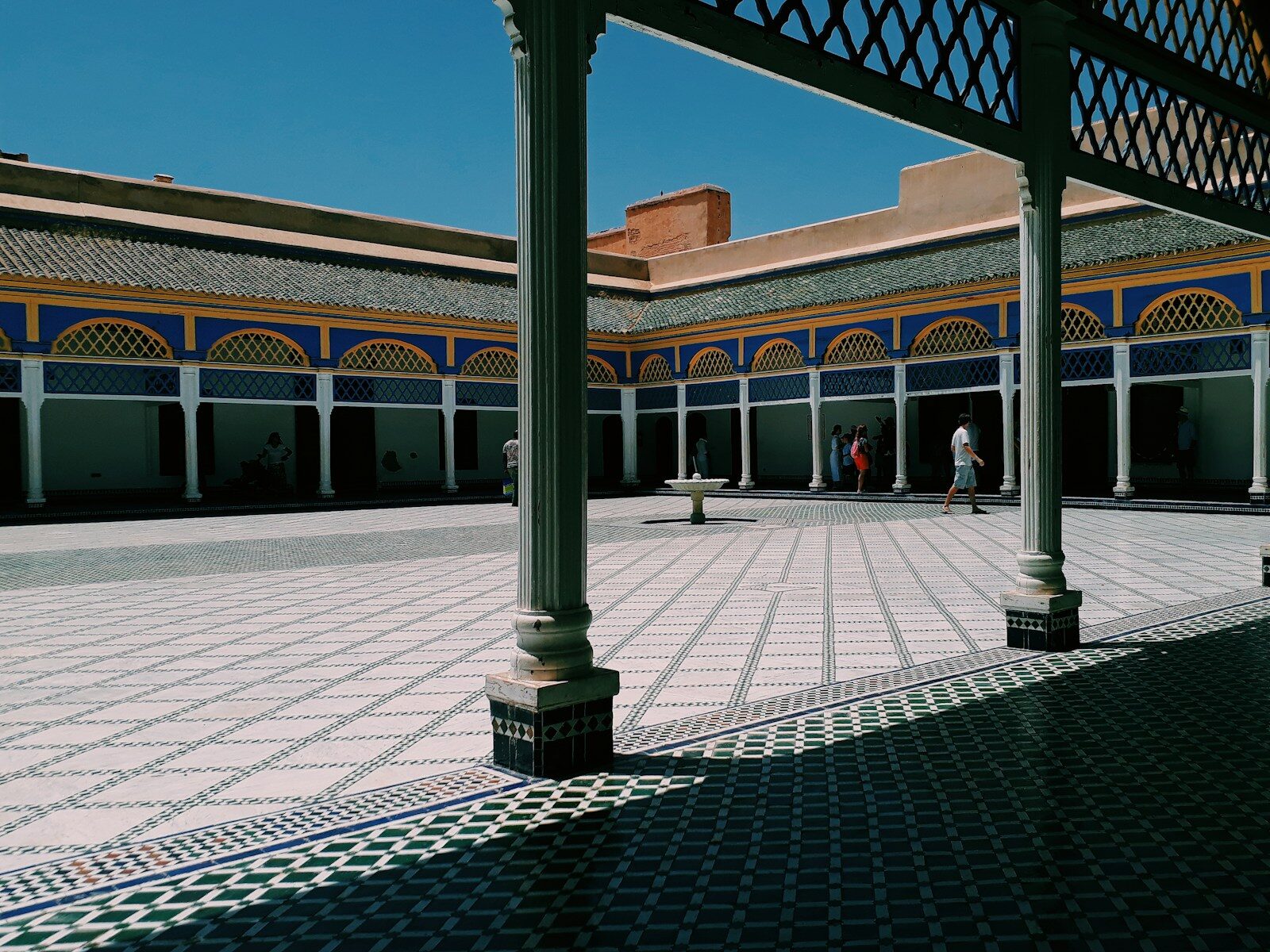
3. Marrakech Morocco Bahia Palace: a vizier’s showpiece
Built in the late 19th century for the grand vizier Ba Ahmed, the Bahia Palace is a sprawl of courtyards, reception halls and gardens decorated with painted cedar ceilings, carved stucco and zellige. It was designed to impress, and it still does. Allow 60 to 90 minutes.
Foreign adults pay 100 MAD, children aged 7 to 13 pay 50 MAD, and under-7s enter free. The palace opens daily around 9:00, and arriving at opening is the single best way to see the main courtyard without a tour group in every photo. Visitors who search for “Marrakech Morocco Bahia Palace” usually want exactly that quiet first hour.
4. El Badi Palace and the Saadian Tombs
El Badi was once a 16th-century palace so lavish it took decades to build and years to strip. Today it is a grand ruin of sunken orange gardens and storks’ nests, and the ramparts give one of the best free views over the Kasbah district. Entry is 100 MAD for foreign adults.
A few minutes away, the Saadian Tombs hold the royal dead of the same dynasty, sealed up for centuries and rediscovered in the early 20th century. The Hall of Twelve Columns is small but exquisite. Arrive early, as the queue for the main chamber builds quickly.
5. Ben Youssef Madrasa
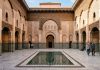
This former Quranic school once housed hundreds of students in tiny rooms around a breathtaking central courtyard. The carved stucco, cedar lintels and marble basin make it the finest interior in the city, and many travelers rank it above the Bahia. Tickets are about 50 MAD.
Climb the stairs to see the student cells, which make the scale of the courtyard below feel even more dramatic. The madrasa sits in the northern medina, so combine it with the souks and Le Jardin Secret on the same morning.
6. The souks and Rahba Kedima
The souks spread north of Jemaa el-Fna in a web of lanes grouped by trade: leather, lanterns, carpets, spices, babouche slippers and metalwork. Getting a little lost is part of the experience, and the shopkeepers will happily point you back toward the square.
Rahba Kedima, the old spice square, is the easiest place to orient yourself. Baskets of chameleons and herbs sit beside woven hats, and two of the best rooftop cafés in the city overlook it. Haggle with a smile, start at roughly a third to half of the first price, and walk away politely if it does not feel right.
7. Visiting the tanneries Marrakech guides love to sell
The tanneries near Bab Debbagh show leather being treated in stone vats much as it has been for centuries. It is a genuinely interesting, very smelly glimpse of a working craft, and you will be handed a sprig of mint to hold under your nose.
It is also the most common setting for the city’s best-known hustle. A friendly stranger tells you the tanneries Marrakech is famous for are “open only today,” walks you there, then expects a large tip and a stop at a cousin’s leather shop. Go on your own or with a licensed guide, agree any fee in advance and feel free to leave without buying.
8. Jardin Majorelle and the YSL Museum
The cobalt-blue villa and cactus garden created by painter Jacques Majorelle, later saved by Yves Saint Laurent and Pierre Bergé, is the most photographed place in Morocco. The garden also holds the Pierre Bergé Museum of Berber Arts, and the Yves Saint Laurent Museum sits next door.
Tickets are sold only online through the official website, and time slots sell out in high season, so book a day or two ahead. Expect to pay roughly 150 MAD or more depending on the combination you choose. Go at opening (8:00) or in the last hour before closing for softer light and fewer people.
9. Le Jardin Secret and Dar El Bacha
Le Jardin Secret is a restored 19th-century riad garden in the middle of the medina, split into an Islamic garden and an exotic garden. It costs about 100 MAD, and the tower gives a rare elevated view across the rooftops toward the Atlas.
Dar El Bacha, the former residence of the pasha of Marrakech, is now the Museum of Confluences, with a celebrated coffee house in its courtyard. Both are calm, beautiful and a welcome break from the souk crowds.
10. Menara Gardens
The Menara Gardens wrap a large 12th-century reservoir and an olive grove, with a green-roofed pavilion reflected in the water and the Atlas behind it on clear days. The gardens are free to walk, and they are a favorite picnic spot for local families on weekends.
It is a short taxi ride from the medina, and it makes a quiet finale before a sunset drink in Hivernage. Together, these ten stops form the backbone of almost every good trip, and they leave space for evenings and excursions.
Things to See in Marrakech After Dark: Jemaa Marrakech at Night
Some of the best things to see in Marrakech only appear once the sun goes down. The city cools off, families come out, and the medina shifts from shopping street to social club. If you only plan your days, you miss half of Moroccan Marrakech.
Eating at the Jemaa el-Fna food stalls
Around sunset, rows of numbered food stalls rise on the square. Each one specializes: grilled meat, fish, snail soup, sheep’s head, harira or sweet tea with cake. Touts will try to steer you to their stall with jokes in five languages, and that is half the fun.
Pick a stall where locals are eating, check the prices on the board before you sit, and decline any plate you did not order, because the bread and olives may be added to your bill. A full meal usually costs 50 to 100 MAD per person. Hand gel and a pack of tissues are good companions.
Storytellers, musicians and rooftop views
Gnawa musicians, acrobats and storytellers hold circles of listeners late into the night. You will not understand the Darija, but the rhythm and the crowd’s reactions tell the story. Drop a few coins in the hat if you stay for more than a minute.
For a broader view, climb to a terrace café on the edge of the square. Watching Jemaa Marrakech at night from above, with the smoke, the lights and the drums rising toward you, is one of those travel memories that stays sharp for years.
Evenings beyond the medina
If the square feels like too much, Gueliz and Hivernage offer quieter wine bars, jazz lounges and international restaurants. Several luxury hotels open their gardens and bars to non-guests in the evening, which is an affordable way to see a palace hotel without paying for a room.
Activities to Do in Marrakech Beyond Sightseeing
The monuments are only half the reason to come. The best activities to do in Marrakech let you use your hands, your nose and your appetite, and they often turn into the stories you tell at home.
Hammams, cooking classes and craft workshops
A hammam is a must. Neighborhood public hammams cost very little (bring your own soap, scrub mitt and towel), while spa hammams in riads and hotels range from about 300 MAD to well over 1,000 MAD for a full treatment. Either way, expect to be steamed, scrubbed and left softer than you thought possible.
Cooking classes usually start with a market walk and end with a tagine you made yourself. Craft workshops cover pottery, leather, zellige and weaving. These are some of the easiest things to do in Marrakech with a genuine local connection, because you spend real time with a cook or an artisan rather than a salesperson.
More activities to do in Morocco Marrakech style
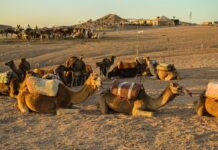
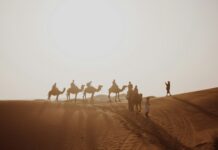
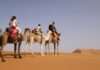
Hot-air balloon flights lift off at dawn over the Haouz plain, with the Atlas glowing pink on the horizon. Quad biking and camel rides run in the Palmeraie and the Agafay desert. Golf courses ring the city, and some of them are among the best in Africa. These activities to do in Morocco Marrakech style lean adventurous, and most include hotel pickup.
Book balloons and desert activities through your riad or a reviewed operator, check that insurance and safety briefings are included, and avoid the cheapest offer on the street. A low price usually means an old vehicle or a skipped safety step.
Things to do in Morocco Marrakech with kids
Children usually love the snake charmers (from a distance), the camel rides, the Menara Gardens and a riad with a plunge pool. The souks can overwhelm small kids, so keep visits short and hold hands in the busy lanes. Many families base themselves in a hotel with a garden outside the walls and dip into the medina for half days.
Of all the things to do in Morocco Marrakech offers families, a cooking class and a morning in the Agafay are the two that children talk about most afterwards.
Giving back: Rotaract Marrakech Menara and local volunteering
Marrakech has an active service-club scene. The Rotary Club of Marrakech-Menara and the city’s Rotaract network for students and young professionals run education, health and community projects, and they have hosted visiting Rotary delegations from abroad. If you belong to a Rotary or Rotaract club at home, contacting Rotaract Marrakech Menara through Rotary’s club finder is a good way to attend a meeting or a project day.
If you prefer a simpler way to contribute, buy directly from women’s cooperatives, tip fairly and choose tours that employ local guides. Those small choices keep tourism money in the neighborhoods that make the city special.
Where to Stay: Riads in Marrakech vs Marrakech Hotels
Choosing a base shapes your whole trip. Riads in Marrakech give you atmosphere, breakfast on a rooftop and a host who knows every shortcut. Marrakech hotels in Gueliz, Hivernage and the Palmeraie give you big pools, gardens, parking and room service. Neither is better; they suit different trips.
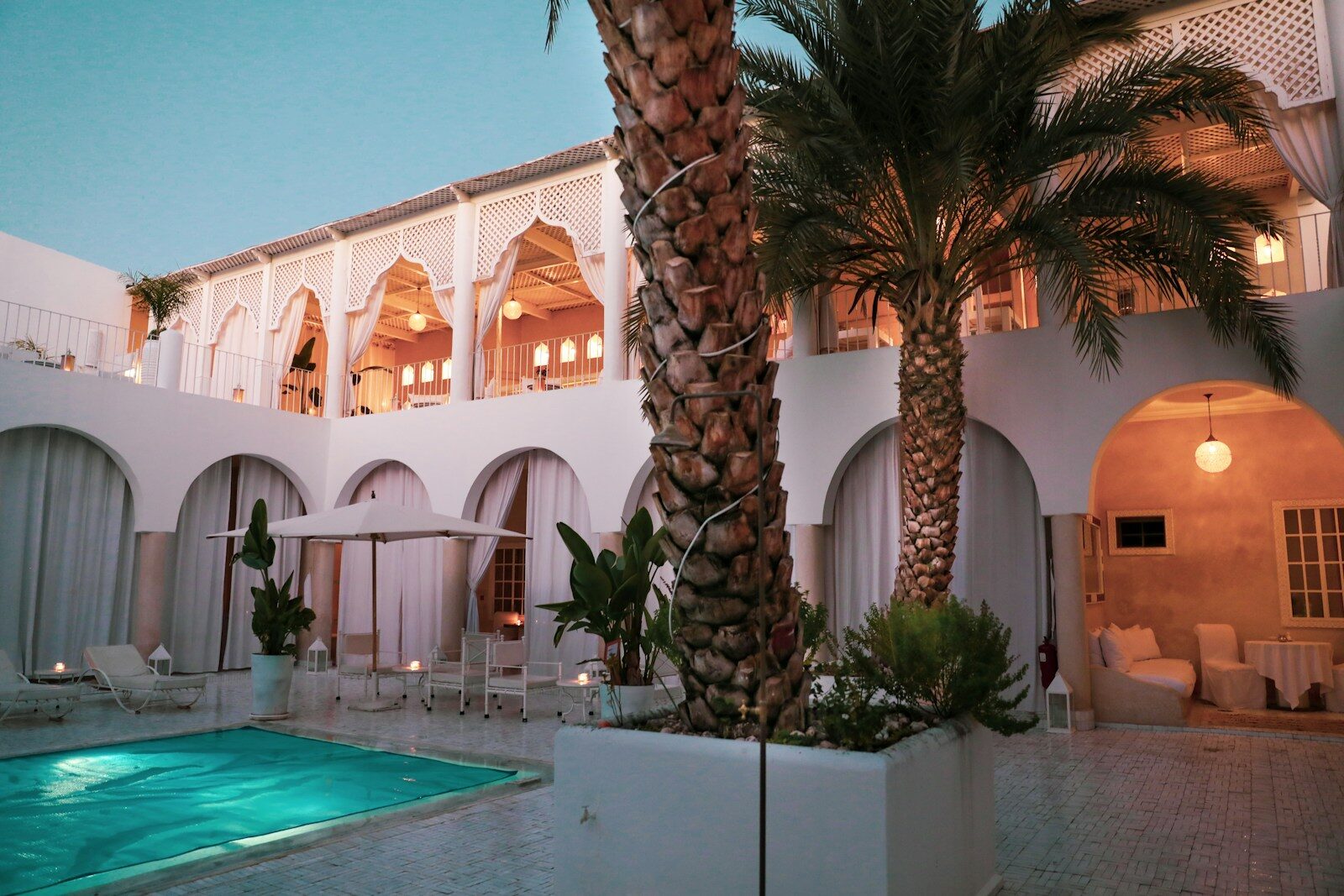
How riads in Marrakech work
A riad is a traditional house built around an inner courtyard, often with a fountain or small pool, and usually with six to fifteen rooms. Most riads in Marrakech include breakfast, and many will cook dinner on request. Walls are thick and windows face inward, so they stay surprisingly quiet.
Mid-range riads typically cost about 600 to 1,500 MAD a night for a double room, while design-led riads charge far more. Before booking, check how far the riad is from the nearest taxi drop-off, whether rooms have heating and air conditioning, and whether the rooftop has shade. A riad 10 minutes’ walk from Jemaa el-Fna is a good balance of calm and convenience.
The best hotels in Marrakech by neighborhood
The medina suits travelers who want to walk everywhere. Hivernage is the polished hotel district next to the walls, with large resorts and nightlife. Gueliz has smaller boutique properties and the best café culture. The Palmeraie, 15 to 20 minutes from the center, is where you go for space, golf and big gardens.
Among the best hotels in Marrakech that combine location and polish, travelers consistently praise La Maison Arabe in the medina for its cooking school and pools, El Fenn for its art-filled rooms and rooftop, and Riad Kniza for its traditional style. Choose by neighborhood first and brand second, and you rarely go wrong.
Choosing a luxury hotel Marrakech travelers rave about
At the top end, La Mamounia has been the city’s grand dame since the 1920s, set in historic gardens beside the ramparts. Royal Mansour is a cluster of private riads with underground service tunnels. Amanjena, Mandarin Oriental and Four Seasons offer resort-style calm outside the walls.
A luxury hotel Marrakech stay can start around 5,000 MAD a night and climb steeply in peak season. If that is beyond your budget, book lunch, afternoon tea or a spa session at one of these properties instead. You get the gardens and the service for a fraction of the room rate.
Booking tips that save money
Book early for spring, autumn holidays, Christmas and New Year, because the best riads fill months in advance. Look at free-cancellation rates so you can switch if prices drop. Message your host before arrival with your flight time; good riads will arrange a transfer and a porter, which removes most first-night stress.
Where to Eat: Best Restaurants in Marrakech
Marrakech is one of the best food cities in Africa, and you can eat superbly at every budget. The best restaurants in Marrakech range from rooftop terraces with Atlas views to family-run kitchens where the menu is whatever was cooked that morning.
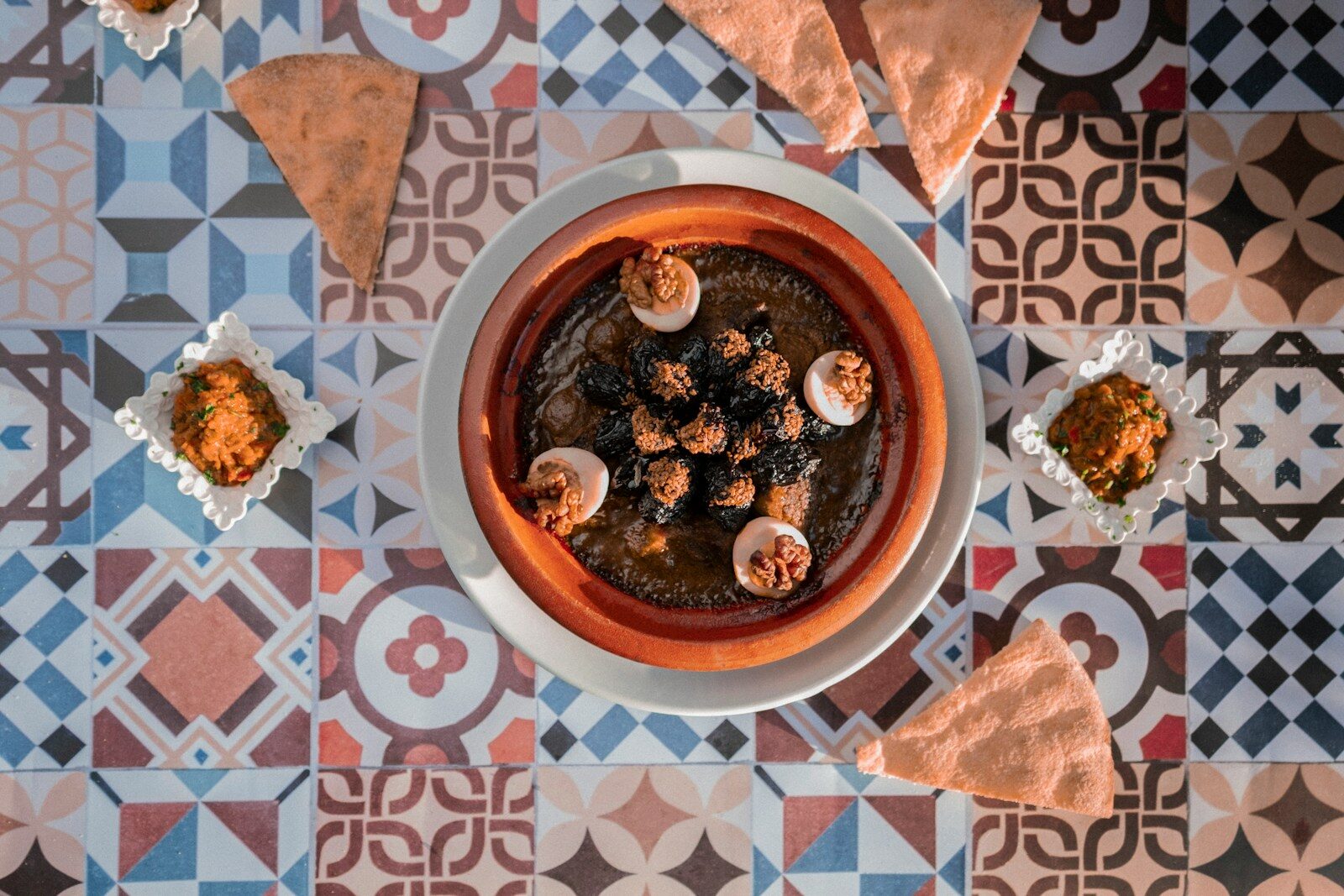
Cafe Nomad Marrakech and the Rahba Kedima rooftops
Nomad sits on Rahba Kedima, the spice square, across several floors of a former carpet shop. Its stacked terraces look over the medina toward the Atlas, and the kitchen serves modern Moroccan plates such as harissa-marinated chicken and lighter takes on classic salads. Cafe Nomad Marrakech is popular, so reserve for sunset.
Next door, Café des Épices offers simpler food, fresh juices and the same lively view at lower prices. L’Mida, a few steps away, adds creative Moroccan fusion on another rooftop. Between the three, you have the medina’s best lunch-with-a-view circuit.
The best restaurant Marrakech locals actually book
Ask residents for the best restaurant Marrakech has for classic Moroccan food and many will name Al Fassia in Gueliz, known for its women-led kitchen, slow-cooked lamb shoulder and pastilla. Le Foundouk, in a converted caravanserai near Bab Doukkala, offers refined Moroccan and Mediterranean dishes on a roof terrace.
For a change from tagine, Naranj on Riad Zitoun el Jdid serves Lebanese mezze and grills, Plus61 brings an Australian-influenced menu to Gueliz, and Le Grand Café de la Poste serves French brasserie classics in a historic building. Book ahead for dinner, especially on weekends.
Street food and budget eats
Some of the most memorable meals cost less than a coffee at home. Look for msemen and harcha flatbreads at breakfast, harira soup at dusk, grilled sardines, kefta sandwiches and tanjia, the slow-cooked jar of beef that Marrakchis take to the hammam furnace to cook overnight.
A plate of tagine at a simple local restaurant usually costs 50 to 80 MAD, mint tea 10 to 20 MAD and a fresh orange juice on the square around 10 MAD. Eat where the turnover is high, and you will rarely have a problem.
Alcohol, tipping and dining etiquette
Alcohol is served in licensed hotels, bars and some restaurants, but many medina spots are dry. Tipping is appreciated: 10 percent in restaurants, a few coins at cafés and around 20 to 50 MAD a day for riad staff is a fair guide. Eat and pass food with your right hand when sharing from a communal dish.
How Expensive Is Moroccan Marrakech? Real Costs in Dirhams
Moroccan Marrakech can be as cheap or as lavish as you make it. A backpacker can live well on a small daily budget, while a luxury traveler can spend more in a day than many locals earn in a month. Most visitors land comfortably in the middle.
Daily budgets for three travel styles
These daily figures are per person, sharing a double room, and include accommodation, food, transport inside the city and one or two paid sights.
| Travel style | Daily budget per person | What it covers |
|---|---|---|
| Budget | About 400 to 700 MAD | Simple riad or hostel, street food, walking, one monument |
| Mid-range | About 900 to 1,800 MAD | Good riad, sit-down meals, taxis, two sights, a hammam |
| Luxury | 4,000 MAD and up | Palace hotel, fine dining, private guide and driver |
The biggest variables are your bed and your excursions. A private day trip to the Atlas or the desert can cost as much as two nights in a mid-range riad, while a shared tour costs a fraction of that.
Entrance fees cheat sheet
Most monuments charge foreign visitors a fixed fee, paid in cash at the gate, except the Majorelle Garden, which sells tickets online only.
| Sight | Foreign adult ticket (approx.) |
|---|---|
| Bahia Palace | 100 MAD |
| El Badi Palace | 100 MAD |
| Saadian Tombs | 100 MAD |
| Ben Youssef Madrasa | 50 MAD |
| Le Jardin Secret | 100 MAD |
| Jardin Majorelle (online only) | About 150 MAD and up |
| Koutoubia gardens, Menara Gardens, Jemaa el-Fna | Free |
Small costs that add up
Petit taxis inside the city usually cost 20 to 40 MAD by day. Licensed half-day guides typically charge around 300 to 500 MAD for a small group. Photos with performers on the square cost 10 to 20 MAD. Keep coins and small notes handy, because these small payments are where travelers most often overpay.
Smart ways to save
Eat your main meal at lunch, when many restaurants offer set menus. Walk instead of taxiing inside the medina. Visit the free gardens and squares in the late afternoon. Use shared tours for long excursions, and buy crafts directly from cooperatives, where fixed prices remove the haggling.
Is Morocco Marrakech Safe? What to Avoid in Marrakesh
For most visitors, yes. Violent crime against tourists is rare, the medina is heavily policed, and millions of travelers visit every year without trouble. The United States currently rates Morocco at Level 2, “exercise increased caution,” the same tier as many European countries. The real problems are petty: hustles, pickpocketing and aggressive selling. Anyone asking “is Morocco Marrakech safe” should focus on those.
Scams and hustles to avoid
These are the things to avoid in Marrakesh that catch visitors most often:
- Strangers who say a road is closed or a square is “that way,” then lead you to a shop or demand a guiding fee
- The “tannery festival” or “Berber market only today” story
- Henna artists who grab your hand and start drawing before agreeing a price
- Unlicensed taxis at the airport and drivers who refuse the meter
- Food stalls that add unordered dishes to the bill
- Monkey and snake handlers who drape an animal on you, then ask for money
A firm but friendly “la, shukran” (no, thank you), steady walking and not engaging in long conversation solve most of them. Licensed guides carry an official badge; ask to see it.
Personal safety and respect
Keep your phone in a front pocket and use a cross-body bag in crowded areas. Women travelers sometimes receive unwanted comments; walking with purpose and ignoring them usually works, and evening walks are more comfortable in pairs. Dress modestly, with shoulders and knees covered, which also helps at religious and historic sites.
Avoid demonstrations, carry a copy of your passport, and buy travel insurance before you leave. For a deeper look at risks across the country, read our guide to the 15 worst Morocco travel safety mistakes.
Health and heat
Drink bottled or filtered water, carry rehydration salts and wear sun protection, especially from June to September. Pace your sightseeing for early mornings and late afternoons, and use the hot middle of the day for a long lunch or a nap in your riad.
Morocco Marrakech Excursions and Day Trips
Marrakech is the best base in the country for day trips. Within a few hours you can be in high mountain villages, a stone desert, a waterfall or an Atlantic port. Morocco Marrakech excursions are easy to book through riads, and the best ones leave early to beat the heat and traffic.
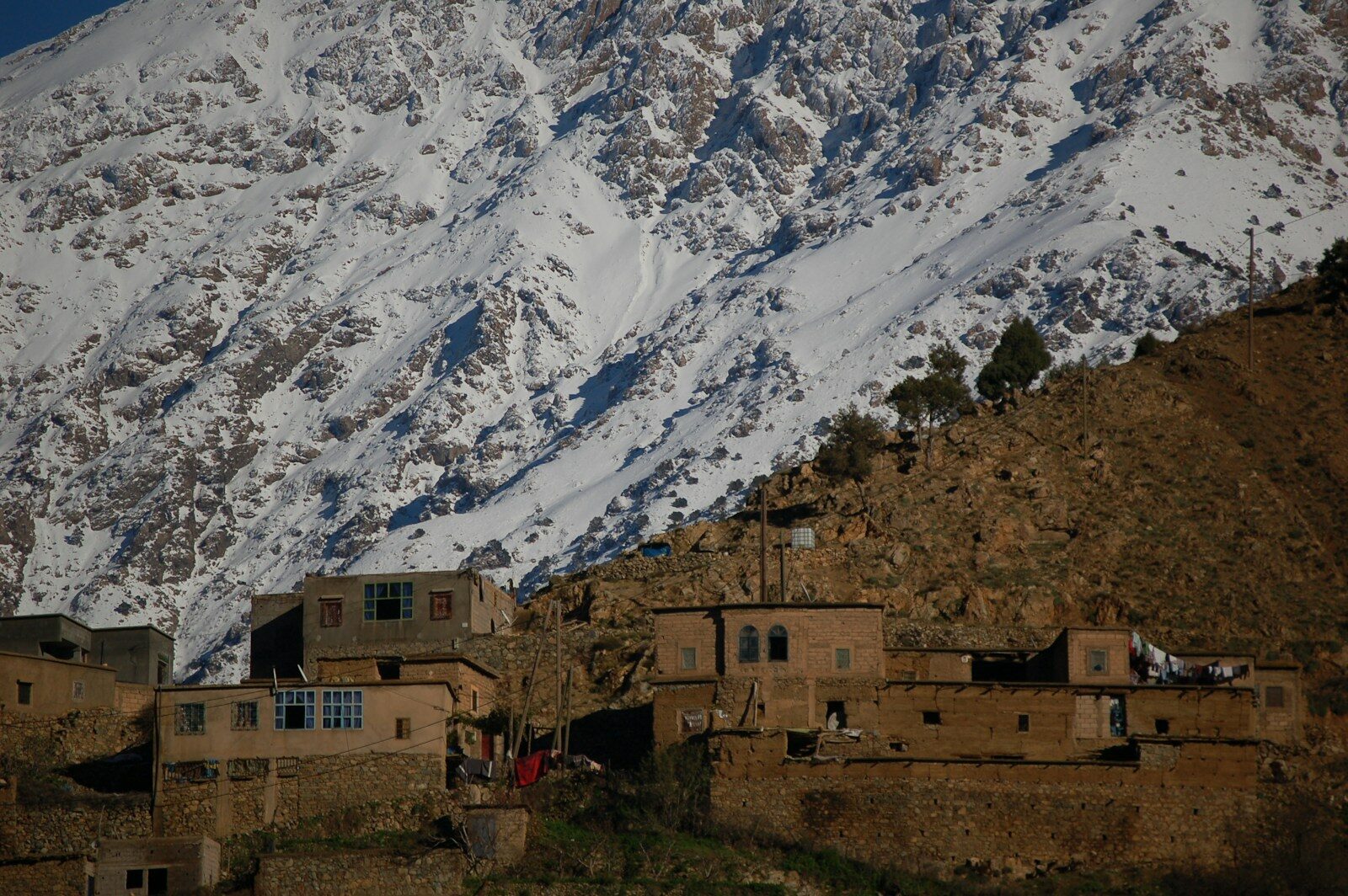
Agafay desert, the Atlas and Ouzoud
The Agafay desert, a rocky lunar plateau about 40 minutes from the city, is the easiest desert taste, with sunset camel rides, quad bikes and luxury camps. Our Agafay desert guide covers camps, costs and how it compares with the Sahara.
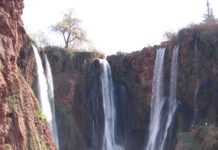
The High Atlas village of Imlil and the Ourika Valley offer walks among walnut trees and Berber villages, with Toubkal, North Africa’s highest peak, looming above. The Ouzoud waterfall, about two and a half to three hours away, drops more than 100 meters into a green gorge. Our Ouzoud waterfall day trip guide explains every way to get there.
Essaouira and the coast
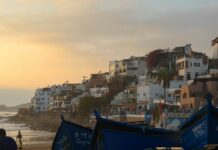
Essaouira, a whitewashed fishing port about three hours west, offers grilled fish on the harbor, a breezy medina and a long beach. It works as a long day trip but shines as an overnight stay. If you want the Sahara itself, the classic three-day loop to Merzouga is described in our Morocco desert tour comparison.
Heading south to a Taghazout surf camp
Many travelers pair the Red City with surf. Taghazout, north of Agadir, is roughly three and a half hours from Marrakech by the toll highway and bus or private transfer, and it is home to dozens of surf camps with lessons for every level. A Taghazout surf camp week after a few days in the medina is one of the best contrasts Morocco offers.
Book a camp that includes board rental, transport to the breaks and coaching suited to your level. Our Taghazout surf and stay guide covers the beaches, camps and where to eat once you get there.
Choosing a good excursion operator
Compare what is included: pickup time, vehicle type, entrance fees, lunch, and whether the guide speaks your language. Shared tours are cheaper; private tours let you stop where you like. For multi-day routes with a driver, our guide to Morocco private tours explains costs by group size.
A 3-Day Moroccan Marrakech Itinerary
Three days is enough to see the essential Moroccan Marrakech highlights without rushing. Add a fourth or fifth day for excursions.
Day 1: Medina classics
Start at the Ben Youssef Madrasa at opening, then wander the souks to Rahba Kedima. Have lunch on a rooftop above the spice square, rest in your riad during the heat, then visit Le Jardin Secret. End with sunset at the Koutoubia and dinner at the Jemaa el-Fna food stalls.
Day 2: Palaces, tombs and a hammam
Begin at the Bahia Palace at opening, then walk to El Badi Palace and the Saadian Tombs. Explore the Mellah, the old Jewish quarter, before lunch. Spend the afternoon in a hammam, then head to Gueliz or Hivernage for dinner and a quieter evening.
Day 3: Gardens and a change of scene
Take an early slot at the Majorelle Garden and the YSL Museum, then enjoy coffee in Gueliz. Spend the afternoon at the Menara Gardens or a pool, and finish with a sunset in the Agafay desert, an easy trip from the city that ends with dinner under the stars.
Moroccan Marrakech FAQ
What is Marrakech, Morocco famous for?
Marrakech is famous for Jemaa el-Fna square, its UNESCO-listed medina, colorful souks, the Koutoubia minaret, ornate palaces such as the Bahia, the Majorelle Garden and its riads. It is also known for food, hammams and easy day trips to the Atlas Mountains and the Agafay desert.
What to avoid in Marrakesh?
Avoid unofficial guides, “closed road” detours, the tannery festival story, unmetered taxis, henna artists who start without a price, and photos with animal handlers. Also avoid midday sightseeing in summer and booking a riad far from a taxi drop-off.
What are 10 must-see things in Marrakesh?
The ten must-see Marrakech points of interest are Jemaa el-Fna, the Koutoubia Mosque gardens, the Bahia Palace, El Badi Palace, the Saadian Tombs, the Ben Youssef Madrasa, the souks and Rahba Kedima, the Majorelle Garden, Le Jardin Secret and the Menara Gardens.
Is Marrakech, Morocco worth visiting?
Yes. Few cities pack so much history, craft, food and atmosphere into a walkable center, and the excursions from Marrakech add mountains, desert and coast. Travelers who dislike crowds or haggling should stay in a calm riad and plan quiet mornings to balance the busy evenings.
How expensive is Marrakech?
Marrakech suits every budget. Budget travelers can manage on about 400 to 700 MAD a day, mid-range travelers on 900 to 1,800 MAD, and luxury stays start around 4,000 MAD a day. Monument tickets cost 50 to 100 MAD, and local meals cost 50 to 80 MAD.
Is Morocco Marrakech safe for solo travelers?
Generally, yes. Solo travelers should stay in well-reviewed riads, use licensed guides, keep valuables secure and avoid empty lanes late at night. Solo women may face unwanted comments but rarely more; walking confidently and dressing modestly helps.
How many days do you need in Marrakech?
Three days covers the main sights comfortably. Four or five days lets you add a hammam, a cooking class and one or two Morocco Marrakech excursions such as the Atlas, Agafay or Essaouira.
How far is Marrakech airport from the medina?
Marrakech Menara Airport is about 6 km from Jemaa el-Fna, roughly 15 to 25 minutes by taxi or 25 to 40 minutes on bus line 19.
Final Thoughts Before You Go
Marrakech asks a little patience and repays it many times over. Its chaos is real, but so is the hospitality, the craftsmanship and the sense of stepping into a city that has traded, cooked and celebrated in the same squares for almost a thousand years. Planning the order of your days is what turns the noise into rhythm.
Your next step is simple: pick your base, book a riad near a taxi drop-off and reserve your Majorelle slot. Then leave space in your days for wrong turns, because some of the best moments in Moroccan Marrakech happen in alleys you never meant to find.
When you are ready to plan the rest of the country, start with our Morocco travel guide, and use the UNESCO page on the Medina of Marrakesh to learn more about the history behind the walls before you arrive.