
Argan oil comes from one tree that grows wild in only one corner of the world: the dry hills between Essaouira, Agadir and Taroudant in southwestern Morocco. That single fact explains most of what you need to know before you buy a bottle, rub it into your hair or pour it over couscous. It explains the price, the fakes, the cooperatives you pass on the coast road, and why the jar in a Marrakech souk can smell of nothing at all.
This guide is written for two kinds of readers. The first is planning a trip to Morocco and wants to come home with the real thing at a fair price. The second has a bottle on the bathroom shelf already and wants a straight answer on whether it does anything for hair and skin. Both deserve facts rather than marketing copy, so every claim below is either backed by published research or labeled clearly as tradition.
Disclosure: this guide contains affiliate links. If you buy through them, we may earn a small commission at no extra cost to you. As an Amazon Associate, we earn from qualifying purchases.
What Is Argan Oil and Where Does It Come From?
The short answer to “what is argan oil” is this: a plant oil pressed from the small kernels inside the fruit of Argania spinosa, a thorny, drought-proof tree endemic to southwestern Morocco. The long answer involves a landscape, a culture and a system of women’s cooperatives that has turned a household staple into one of the country’s best-known exports.
Locals call the tree argan or argane, and in Tashelhit, the Amazigh language of the Souss region, it has been part of daily life for centuries. Families have used its wood for fuel, its leaves and fruit pulp as goat fodder, and its oil for cooking, skin care and medicine.
The argan tree and the Arganeraie
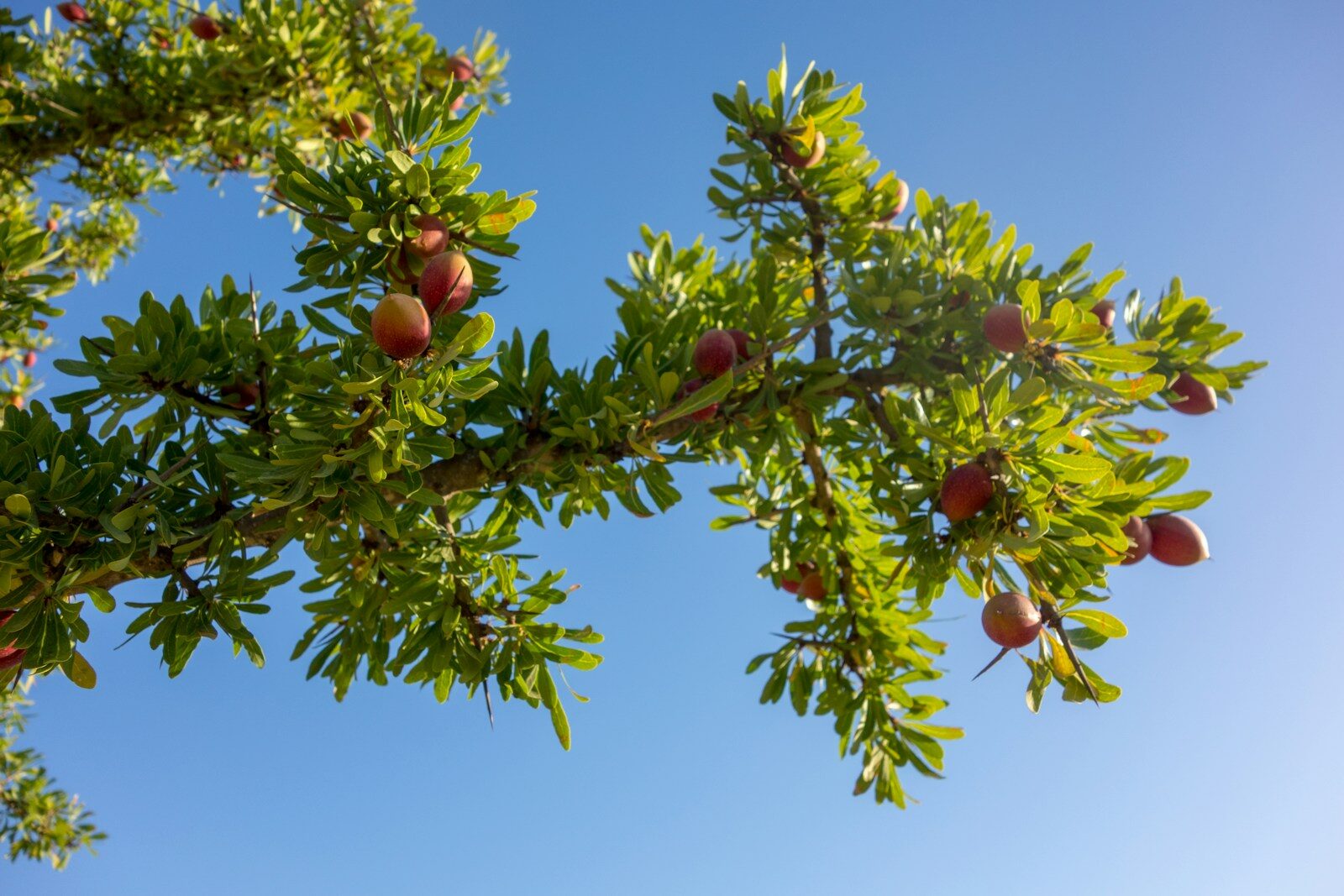
Argan trees can live for around two centuries and survive heat and drought that would kill most fruit trees. Their deep roots hold the soil together, which is why scientists and the Moroccan government see the forest as a living barrier against the desert creeping north from the Sahara.
Argan trees cover more than 800,000 hectares across the Souss-Massa, Marrakech-Safi and Guelmim-Oued Noun regions, according to figures shared when the UN first marked the International Day of Argania. The wider Arganeraie Biosphere Reserve, recognized by UNESCO under its Man and the Biosphere program, spans more than 2.5 million hectares and takes in the provinces of Essaouira, Agadir, Taroudant, Tiznit, Chtouka Ait Baha and Sidi Ifni.
International bodies have recognized the culture around the tree as well as the tree itself:
- UNESCO added the practices and know-how concerning the argan tree to its Representative List of the Intangible Cultural Heritage of Humanity, honoring the skills Amazigh women pass from mother to daughter.
- The FAO named the argan-based agro-sylvo-pastoral system of Ait Souab-Ait Mansour, south of Agadir, a Globally Important Agricultural Heritage System, praising its dry-stone terraces and rock-cut rainwater cisterns.
- The UN General Assembly proclaimed May 10 as the International Day of Argania, a date chosen to match the fruit’s ripening cycle.
Cosmetic vs culinary argan oil
Two very different products share the same name, and mixing them up is the most common buying mistake.
| Feature | Cosmetic | Culinary |
|---|---|---|
| Kernels | Raw, unroasted | Lightly roasted |
| Color | Pale gold, almost clear | Deep amber to golden brown |
| Smell | Faint, slightly nutty or “green” | Strong toasted nut aroma |
| Main use | Hair, face, body, nails | Dipping, drizzling, amlou |
| Safe to eat? | Not intended for food | Yes |
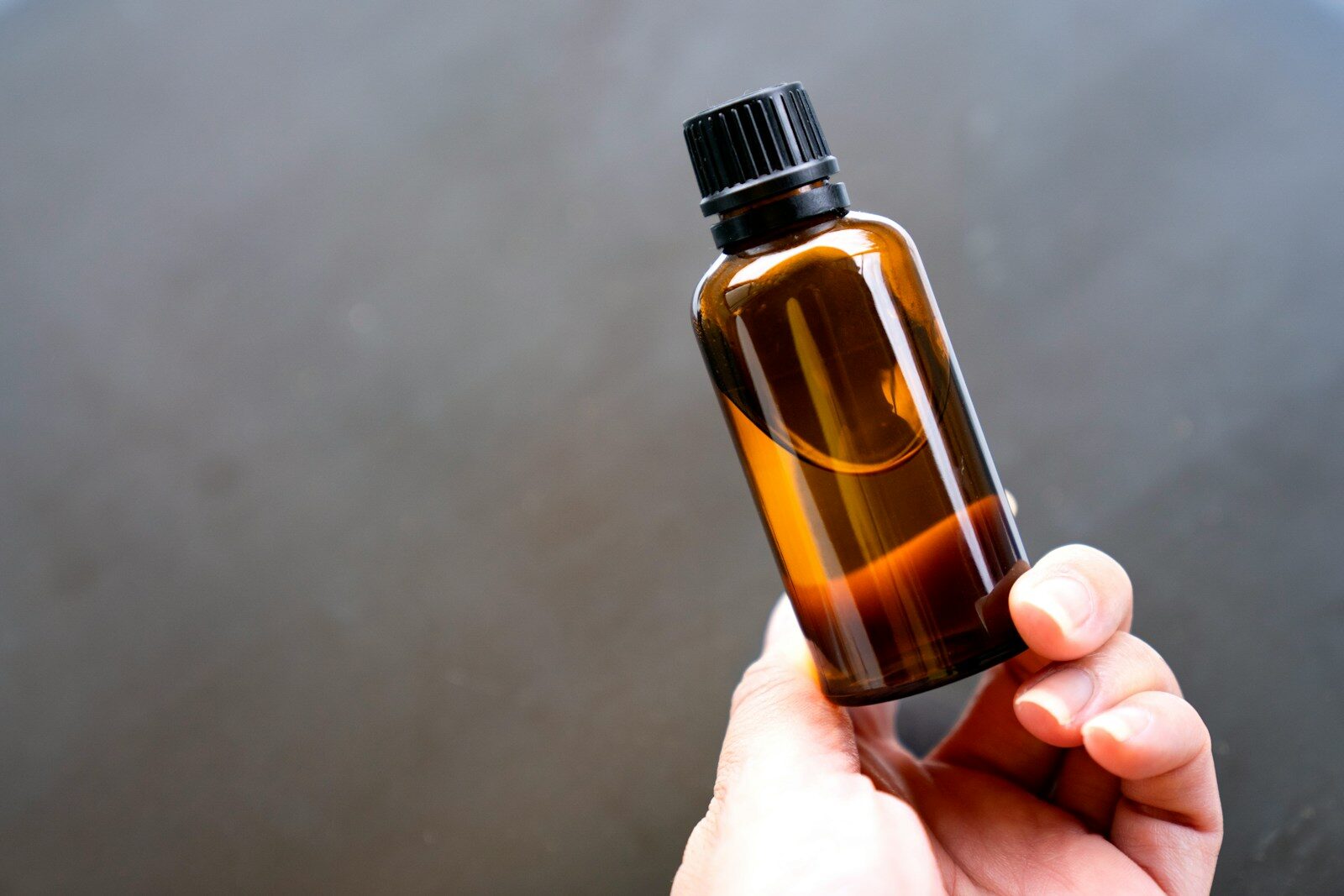
Roasting gives the edible version its hazelnut flavor, while raw kernels give the cosmetic version its light scent and pale color. If someone hands you a dark, toasty-smelling oil and calls it a face oil, it is either the wrong product or a blend.
How Moroccan Argan Oil Is Made
Making Moroccan argan oil by hand is slow, physical work, and that labor is the honest reason good oil is never cheap. The steps have barely changed in generations, even where machines now handle part of the process.
From fruit to kernel
The olive-sized fruit ripens and falls in early summer. Harvesters collect it from the ground, dry it in the sun, then strip away the fleshy pulp to reveal a nut that is famously hard, often described as many times harder than a hazelnut. Women crack each nut between two stones to free one to three small, almond-shaped kernels.
That cracking stage is the bottleneck. A skilled worker can crack nuts for hours, and cooperative guides usually tell visitors it takes around 30 kilograms of fruit and the best part of a working day to produce a single liter of oil. Numbers vary by source, but every version tells the same story: a liter represents an enormous amount of hand labor.
Pressing the oil
For culinary oil, the kernels are roasted in clay pans, ground on a stone hand mill into a thick brown paste, and kneaded with a little warm water until the oil separates. For cosmetic oil, raw kernels go into a mechanical cold press, which produces a cleaner, lighter oil with a longer shelf life.
Most export-grade oil today comes from cold presses because they are more hygienic and consistent. Hand-kneaded oil is still made for local kitchens and for demonstrations, and many visitors find watching the process the most memorable part of a cooperative stop.
The women’s cooperatives
From the 1990s onward, women’s cooperatives grew across the argan region, partly with development funding, to give Amazigh women a direct share of the money their work generated. Before then, most oil passed through middlemen who kept most of the profit.
The FAO has counted more than 17,500 cooperatives active in the wider argan sector. Quality varies, and some roadside “cooperatives” are really shops, but the genuine ones offer fixed prices, on-site production and a clear record of where the oil came from.
Morocco also protects the name through a Protected Geographical Indication called Argane. Under the specifications approved by the Ministry of Agriculture, the label can only appear on oil made in the defined southwestern production area and following recorded methods. An IGP or PGI seal on a bottle is one of the strongest signs you have the real thing.
About those tree-climbing goats
Goats really do climb argan trees to eat the leaves and fruit, and the sight is genuinely strange the first time you see it. Older accounts describe people collecting the nuts that goats passed after eating the fruit, and some guides still repeat that story as if it were standard practice.
Modern cooperative oil does not depend on goats. Fruit is gathered from the ground or the tree, and the pulp is removed by hand or machine. Along the busy road between Marrakech and Essaouira, many “goat trees” are set up for tourist photos, with herders expecting a tip. Enjoy the view, but don’t treat it as a lesson in how the oil is made.

Pressure on the argan forest
The forest that produces all this oil is under real strain. Decades of overgrazing, firewood cutting and land clearing thinned many groves, and repeated droughts have slowed natural regrowth. Young trees struggle to establish themselves when goats eat every seedling and rain fails for several winters in a row.
Morocco has responded with replanting and rehabilitation programs, including a plan announced alongside the first International Day of Argania to plant 10,000 hectares of new argan trees in the Souss region. Cooperatives also have a stake in protection, since a healthy forest is their income. When you buy traceable oil at a fair price, part of that money supports the people who have the strongest reason to keep the trees alive.
Is Argan Oil Good for Hair? What the Research Shows
This is the question most people type into a search bar, so here is the honest version. Is argan oil good for hair? As a conditioner and shine product, yes, there is reasonable evidence and a long track record. As a treatment that grows new hair, the evidence simply isn’t there.
What argan oil can do for hair
The oil is rich in oleic acid (roughly 43 to 49 percent of its fats) and linoleic acid (about 29 to 36 percent), plus vitamin E in the form of tocopherols. Those fats coat the hair shaft, smooth the outer cuticle and reduce the friction that leads to frizz and breakage.
Lab studies on hair fibers back this up. Researchers in Brazil found that conditioners containing argan reduced protein loss in hair that had been treated with an oxidative dye. A separate experiment at Tabriz University of Medical Sciences reported less protein loss in hair tresses pre-treated with the oil before exposure to an oxidizing agent, with traces of the oil still detectable after washing.
In plain terms, argan oil for hair works best as:
- A light leave-in that smooths frizz and flyaways
- A pre-wash treatment before bleaching, coloring or swimming
- A finishing oil that adds shine to dry ends
- A softening mask for thick, curly, coily or color-treated hair
What it can’t do
A systematic review in the Journal of Drugs in Dermatology, led by researchers at the University of California, Irvine, examined 22 studies on three popular hair oils: coconut, castor and argan. It found no significant evidence that argan improves hair growth, hair quality in a clinical sense, or scalp infestations.
That doesn’t make the oil useless. It means a bottle can make existing hair softer and less brittle, which can make it look fuller, but it won’t reverse hair loss. If you are shedding a lot, see a dermatologist; thinning often has a medical cause that oil can’t touch.

How to Use Argan Oil for Hair, Step by Step
Knowing how to use argan oil for hair matters more than which brand you buy. Too much oil, or oil in the wrong place, leaves hair flat and greasy within an hour.
Pick the right method for your hair type
| Hair type | Best method | How much | How often |
|---|---|---|---|
| Fine or oily | A drop or two on dry ends only | 1–2 drops | 1–2 times a week |
| Medium, wavy | Damp ends after washing | 2–4 drops | 2–3 times a week |
| Thick, curly, coily | Damp lengths and ends, or as a sealant | 4–8 drops | Daily if needed |
| Bleached or colored | Pre-wash mask, then a light finish | 6–10 drops | Weekly mask |
| Dry, flaky scalp | Massage into scalp before washing | 4–6 drops | Once a week |
Use it as a leave-in finish
Wash and towel-dry your hair. Warm two to four drops between your palms and press them into the mid-lengths and ends, keeping well away from the roots. Comb through, then style as usual. On dry hair, use even less and focus on split ends and the frizzy halo on top.
Use it as an overnight or pre-wash mask
For damaged or very dry hair, work six to ten drops through dry hair from mid-length to tip. Cover with a shower cap or silk scarf, leave it on for 30 minutes or overnight, then shampoo twice so no residue weighs the hair down. A weekly mask before coloring day is a smart habit for anyone who bleaches.
Use it on the scalp
If your scalp feels tight and dry, part your hair in sections and massage a few drops directly onto the skin. Leave it for 20 to 30 minutes and wash out. Skip this if your flakes are greasy and yellowish, since those often point to seborrheic dermatitis, which oils can make worse.
Argan oil shampoo: what’s actually in the bottle
Supermarket shelves are full of argan oil shampoo, conditioner and serum with Moroccan imagery on the label. Many are perfectly pleasant products, but the argan itself is often a minor ingredient. Turn the bottle over and look for Argania Spinosa Kernel Oil in the ingredient list. Ingredients appear in descending order of concentration, so if it sits near the very end, after fragrance and preservatives, the amount is tiny.
There is also a practical limit to any shampoo. Its job is to remove oil, so most of the argan rinses down the drain within a minute. A conditioner or leave-in keeps far more of it on your hair. A sensible routine is a gentle shampoo, an argan conditioner, and a few drops of pure argan oil on the ends.
When you compare an argan oil shampoo to the pure oil, also check for silicones such as dimethicone. They give instant slip and shine, and they’re often doing more of the visible work than the argan is. That’s not a problem, just something to know before you pay extra for the word “argan” on the front.
Is Argan Oil Good for Skin? Benefits and Limits
Is argan oil good for skin? For dry skin and skin barrier support, the evidence is encouraging but small. Most of the strongest data comes from a team of Moroccan researchers working with postmenopausal women.
What the skin studies found
In a 60-day trial published in Clinical Interventions in Aging, 60 postmenopausal women either ate argan or olive oil daily, and all of them applied the cosmetic oil to one forearm. Skin elasticity improved in the argan-eating group, and the forearm where the oil was applied improved in both groups, compared with the untreated arm.
A companion study from the same group measured hydration. Women who ate and applied the oil showed lower water loss through the skin and higher water content in the outer layer, which suggests the oil helps the skin barrier hold moisture.
Those are real results, but the trials were short and small. Treat argan oil for skin as a good moisturizer with antioxidant extras, not as a wrinkle cure.
Acne, eczema and stretch marks
Argan is often described as low on the comedogenic scale, meaning it is less likely to clog pores than heavier oils like coconut. Its high linoleic acid content is one reason some people with oily or acne-prone skin tolerate it well. A small four-week study on oily skin by dermatologist Dobrev tested a cream combining argan, saw palmetto and sesame and reported reduced sebum, though the blend makes it impossible to credit argan alone.
For eczema, the oil’s anti-inflammatory compounds may soothe dry patches, but there is little direct clinical evidence. For stretch marks, there’s no strong proof that any oil prevents them, argan included. Massaging oil into the skin during pregnancy feels good and keeps skin supple, and that’s an honest reason to do it.
How to use argan oil for skin
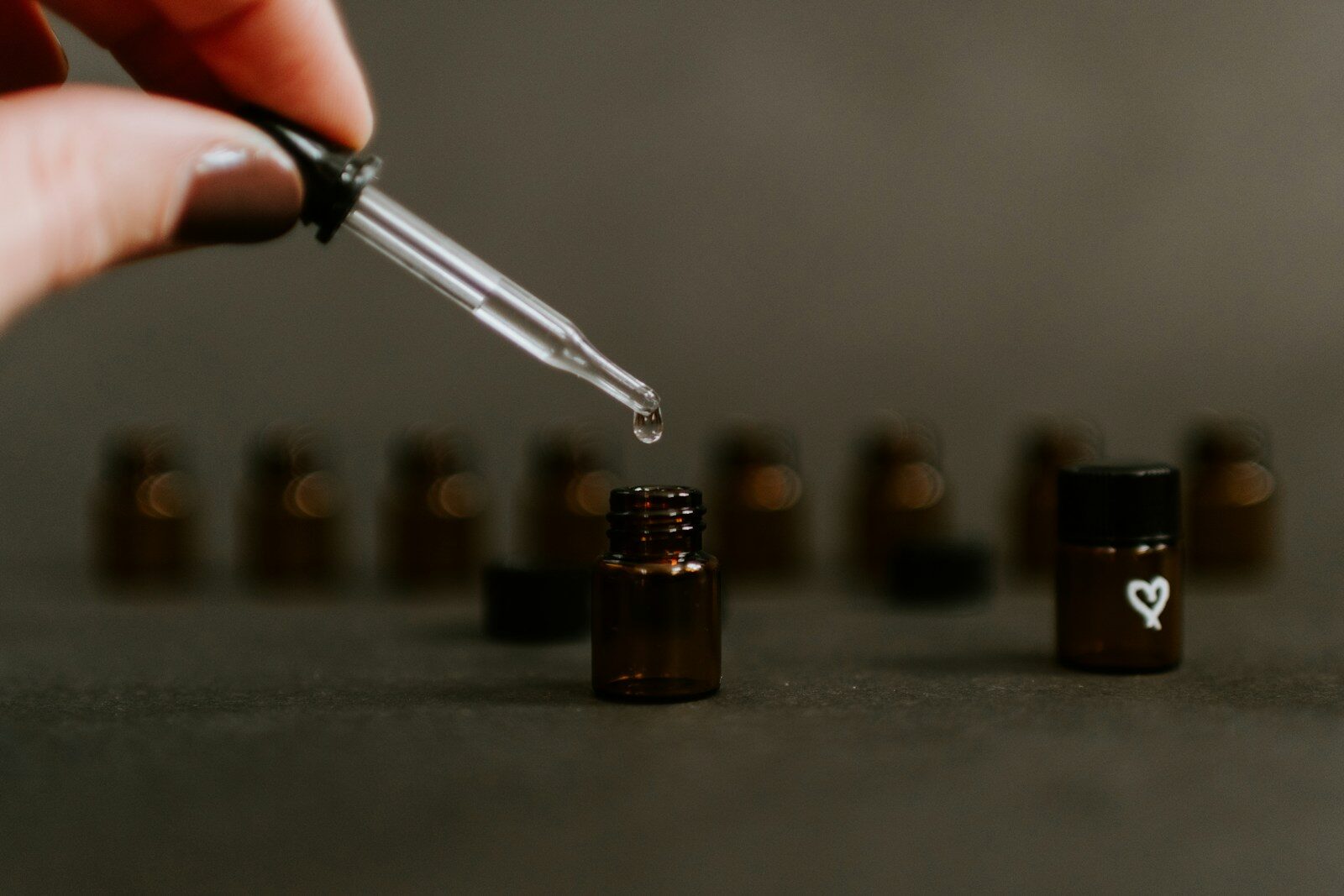
- As a face oil: press two or three drops into damp skin at night, after serums and before or instead of moisturizer.
- As a moisture booster: mix one drop into your usual cream for extra slip in winter.
- For body and hands: smooth a few drops over damp skin after a shower to lock in water.
- For nails and cuticles: rub a single drop into each cuticle before bed.
- After sun: a thin layer can soften dry, tight skin once you’ve cooled off, but it is not a sunscreen.
Who should be careful
The oil comes from a tree nut kernel, and rare allergic reactions have been reported in medical literature, from contact dermatitis to more serious responses. Anyone with a tree nut allergy should speak to their doctor first. Everyone else should patch-test: dab a little on the inner arm, wait 24 to 48 hours, and only use it on your face if nothing happens.
Cosmetic and culinary oils are not interchangeable. Don’t eat cosmetic oil, since it may contain added ingredients and isn’t made to food standards. And don’t use the toasted culinary oil on your face, because its strong scent and darker compounds can irritate sensitive skin.
Argan Oil vs Other Popular Beauty Oils
Argan sits in a crowded aisle next to jojoba, coconut, rosehip and plain olive oil, and each one behaves differently on hair and skin. None is a miracle product. The right choice depends on your skin type, your hair texture and what you want the oil to do.
| Oil | Feel on skin | Best for | Watch out for |
|---|---|---|---|
| Argan | Light, absorbs in minutes | Dry or normal skin, frizzy and dry hair | Tree nut allergy, price, fakes |
| Jojoba | Very light, close to skin’s own sebum | Oily and combination skin | Can feel thin for very dry skin |
| Coconut | Heavy, solid when cool | Pre-wash hair masks, body | Clogs pores for many faces |
| Rosehip | Light, slightly dry finish | Uneven tone, dry patches | Oxidizes quickly once opened |
| Olive | Rich, slow to absorb | Rough hands, heels, body | Greasy on face and fine hair |
Coconut oil has the strongest evidence for reducing protein loss in hair, because its small fat molecules penetrate the strand. Argan works more on the surface, which is why it shines as a finishing and smoothing oil rather than a deep treatment. Many people use both: coconut as a weekly pre-wash mask and argan as the daily finish.
On the face, jojoba is often the safer pick for very oily skin, while argan suits normal, dry and mature skin. Rosehip is popular for marks and uneven tone, but it spoils fast and needs to live in the fridge. If you only want one bottle that does a decent job on hair, face, body and nails, argan is hard to beat, and that versatility is a big part of its appeal.
Pure Argan Oil: How to Spot a Fake
Because the real product is labor-intensive and limited, pure argan oil is one of the most counterfeited natural oils on the market. Researchers studying quality control have documented sellers blending it with cheaper vegetable oils such as sunflower or olive. You can’t run a lab test in a souk, but you can stack the odds in your favor.
Six signs you’re holding the real thing
- The label lists one ingredient: Argania Spinosa Kernel Oil. Anything with “blend,” added fragrance or a list of extra oils isn’t pure.
- The bottle is dark glass. Light and heat break down argan’s fats, so serious producers use amber or cobalt glass, never clear plastic.
- The color fits the type. Cosmetic oil is pale gold; culinary oil is darker amber. Watery clear oil or very dark cosmetic oil is suspect.
- It smells faintly nutty. Fresh cosmetic oil has a light, earthy note that fades on the skin. A strong perfume smell suggests additives, and a sharp, rancid smell means it’s old.
- It absorbs within a few minutes. Rub a drop on the back of your hand. Real oil sinks in and leaves skin soft, not sticky or greasy.
- The origin is traceable. A cooperative name, batch number, IGP Argane seal, or organic certification such as ECOCERT all point to accountability.
The price test
Price is the bluntest signal. Fair-trade cooperative oil can’t be sold for pocket change, because the work behind it costs real money. Recent travel guides and cooperative price lists put 100 ml of cosmetic oil at a cooperative somewhere between roughly 100 and 250 dirhams, depending on certification and region. Culinary oil is usually a little cheaper per milliliter.
If a souk stall offers a 100 ml bottle for 40 or 50 dirhams, assume it’s mixed. That doesn’t mean every expensive bottle is honest, but a very cheap one almost never is.
Myths that don’t help
You’ll hear about the “fridge test,” where real oil supposedly turns cloudy in the cold. Many oils cloud in the fridge, and argan doesn’t reliably behave differently, so the test tells you little. The same goes for “it should have no smell at all”: some exporters deodorize their oil, but fresh, unprocessed oil carries a faint scent. Focus on labels, packaging, price and provenance instead.
How to store it so it stays fresh
Even the best oil goes off if you treat it badly. Unsaturated fats react with light, heat and air, so keep the bottle tightly capped in a cool, dark cupboard, away from a sunny windowsill or a steamy shower shelf. A small bottle you finish in a few months beats a large one that sits open for two years.
If you buy a big bottle in Morocco, decant a little into a small dropper bottle for daily use and keep the rest sealed. Culinary oil should go in the pantry, not next to the stove, and its toasted aroma is your best freshness test. When it starts to smell flat, sour or like old walnuts, it’s time to replace it.
Where to Buy Pure Argan Oil Online
Not everyone can stop at a cooperative on the Essaouira road, and a bottle bought on the trip eventually runs out. Buying online is fine as long as you apply the same checklist: one ingredient, a clear origin, a fresh batch and a seller you can hold to account.
Our pick: Cliganic Organic Argan Oil
Cliganic Organic Argan Oil is a cold-pressed cosmetic oil that passes the label test above. The ingredient list is a single line, the oil is certified USDA Organic, and it’s sold for hair, face, body and nails rather than cooking. It’s a sensible everyday bottle for the leave-in, face oil and cuticle uses covered in this guide.
If you use it daily on long or curly hair, or share it with the whole household, the large 473 ml Cliganic bottle works out cheaper per milliliter. Decant some into a small dark dropper bottle for daily use and keep the big bottle sealed in a cool cupboard so it stays fresh.
Comparing other brands
If you want to compare more brands and sizes, you can browse argan oil on Amazon. Filter for listings that say 100% pure and single ingredient, skip anything labeled a “blend” or “argan-infused,” and read the ingredient panel in the product photos rather than the title. The same red flags from the souk apply online: a suspiciously low price usually means a diluted product.
Where to Buy Moroccan Argan Oil in Morocco
Buying Moroccan argan oil in the region where it grows is part of the travel experience, and it’s the easiest way to support the women who make it. Where you buy matters as much as what you buy.
The Essaouira and Agadir coast
The road from Marrakech to Essaouira and the coastal stretch from Essaouira to Agadir are lined with cooperatives, from tiny roadside rooms to large showrooms with tasting tables. Many day tours stop at one, and visits are usually free. You’ll see women cracking nuts, taste amlou and bread, and browse a shop with fixed prices.
If you’re staying on the coast, our Essaouira Morocco guide covers getting there, where to stay and how to fit in a cooperative stop. Farther south, the hills around Agadir and Taghazout are also argan country, and our list of Agadir tourist attractions includes the best day trips into the region.
Marrakech souks and shops
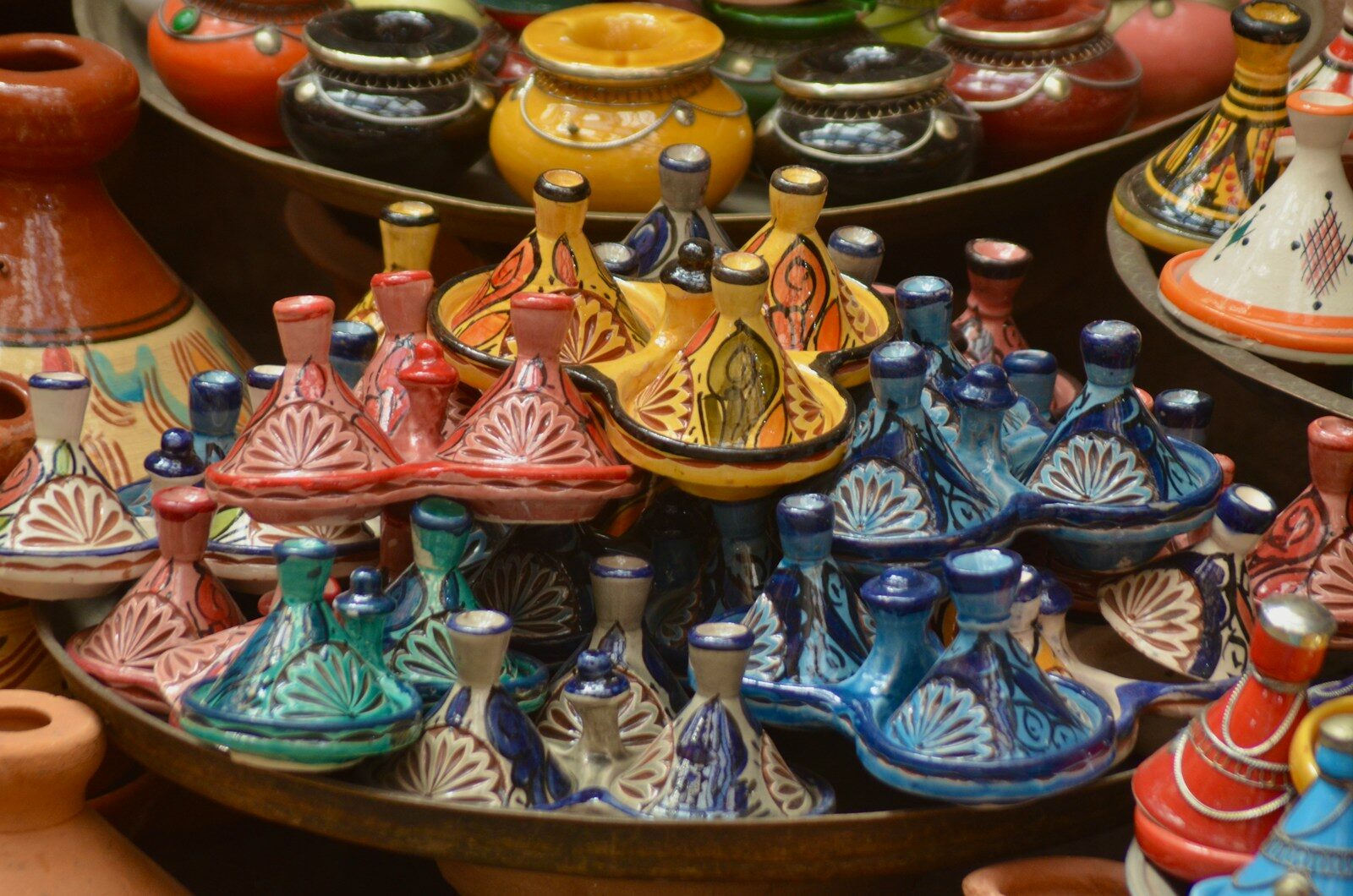
You can buy it in Marrakech, but this is where most fakes are sold. Herbalist shops in the medina often run “free demonstrations” that turn into high-pressure sales, with unlabeled bottles priced by haggling. If you buy in the city, choose a shop that sells labeled, sealed bottles with a cooperative or brand name on them.
The same rules that keep you safe in the medina apply here: be polite, take your time and walk away if you feel rushed. Our guide to Morocco travel safety explains the common tourist traps, including commission-driven shop visits. And if you’re building a city day, our list of Marrakech Morocco things to do covers the souks along with the sights.
What a fair cooperative visit looks like
- Production happens on site, and you can watch it
- Prices are written down and not open to bargaining
- Bottles are sealed, labeled and dated
- Staff can tell you whether oil is cosmetic or culinary without hesitation
- No one pressures you to buy before you leave
Planning a cooperative stop
The easiest way to visit is to break the drive between Marrakech and Essaouira, which takes around three hours by road. Most cooperatives along that route sit right on the main road, so a stop of 45 minutes to an hour is enough to watch the cracking, taste amlou and shop without rushing. Mornings are calmer than early afternoon, when tour minibuses tend to arrive together.
If you’re based in Agadir or Taghazout, ask your accommodation about cooperatives in the hills inland, where the setting is quieter and the argan groves are denser. In both cases, carry some cash in dirhams, since smaller cooperatives don’t always take cards. And if you’re on an organized tour, remember you’re free to look without buying; a good cooperative won’t mind.
Getting it home
Bottles over 100 ml can’t travel in your carry-on bag under most airport liquid rules, so pack larger bottles in checked luggage, wrapped in clothing and sealed in a zip bag. Keep the receipt and labels, since customs officers sometimes ask about food products. Once home, store the oil in a cool, dark cupboard and use it within about a year for the best quality.
Cooking With Culinary Argan Oil
Most visitors arrive thinking of argan as a beauty product and leave thinking of it as food. In Amazigh homes in the Souss, the toasted oil is a pantry staple, used raw rather than for frying because it burns at high heat and loses its flavor.
Amlou, the breakfast you’ll miss
Amlou is a spread of roasted almonds ground with toasted argan and honey, somewhere between a nut butter and a dip. It’s served with warm bread at breakfast across southern Morocco, and a jar makes one of the best food souvenirs you can bring home.

Simple ways to use it
- Drizzle a spoonful over couscous or a vegetable tagine just before serving
- Pour a little into a saucer and dip fresh bread, alone or with honey
- Whisk it with lemon juice and salt for a nutty salad dressing
- Finish grilled fish, fried eggs or a bowl of lentils with a few drops
- Stir a teaspoon into hummus or a bean puree
Nutrition in brief
One tablespoon of the culinary oil contains about 72 calories and 8 grams of fat, according to USDA data cited by WebMD, mostly heart-friendly unsaturated fats. Small human studies have linked daily intake to lower LDL cholesterol and triglycerides, and one trial in 40 healthy adults reported drops of 16 and 20 percent after 30 days of 15 grams a day. Those studies are small, so think of argan as a flavorful alternative to other healthy oils rather than a medicine.
If food is a big part of your trip, our roundup of things to do in Morocco includes cooking classes and food tours where you can taste amlou made fresh.
12 Ways to Use Argan Oil at a Glance
If you only skim one part of this guide, make it this list. These are the uses with the best mix of evidence, tradition and everyday practicality, roughly in order of how often people reach for them.
- Frizz control: two drops pressed into dry ends smooth flyaways without a heavy finish.
- Leave-in conditioner: a few drops on damp, clean lengths after washing keep curls and waves soft.
- Pre-color mask: coating hair the night before bleaching or dyeing may limit protein loss.
- Dry scalp massage: a short pre-wash treatment can ease tightness, though not greasy dandruff.
- Night face oil: two or three drops on damp skin support hydration in dry or mature skin.
- Moisturizer booster: one drop mixed into your usual cream adds slip in cold, dry weather.
- Body oil after a shower: pressed onto damp skin, it locks in water better than on dry skin.
- Cuticle and nail care: a single drop per nail at bedtime softens ragged cuticles.
- Beard softener: a drop or two calms itch and tames coarse hair without a strong scent.
- Bread dip: the toasted culinary version, poured into a saucer with honey, is a classic Moroccan breakfast.
- Finishing drizzle: a spoonful over couscous, tagine, grilled fish or eggs just before serving.
- Amlou: blended with roasted almonds and honey, it becomes the spread you’ll want to bring home.
The first nine uses call for the cosmetic grade and the last three for the culinary grade. Mixing them up is the single most common mistake visitors make, so check the label before you open the bottle.
Argan Oil FAQ
What is argan oil?
Argan oil is a plant oil pressed from the kernels of the argan tree, which is native to southwestern Morocco. It comes in two forms: a cosmetic version from raw kernels, used for hair and skin, and a culinary version from roasted kernels, used as a finishing oil in Moroccan cooking.
Is argan oil good for hair?
Yes, as a conditioner. Argan oil smooths the cuticle, reduces frizz and breakage, and lab studies show it can limit protein loss in dyed or bleached hair. A systematic review found no strong evidence that it makes hair grow, so treat it as a care product, not a hair-loss treatment.
How do you use argan oil for hair?
Warm two to four drops between your palms and apply them to the mid-lengths and ends of damp, clean hair, avoiding the roots. For a deeper treatment, coat dry hair with six to ten drops, leave it on for 30 minutes or overnight, then shampoo.
Is argan oil good for skin?
For dry and mature skin, yes. Small clinical trials in postmenopausal women found that applying the oil improved skin elasticity and hydration. It is also light enough for many acne-prone people, though anyone with a tree nut allergy should check with a doctor first.
Does argan oil shampoo work as well as pure argan oil?
Usually not. Most of an argan oil shampoo rinses away, and many formulas contain only a small amount of argan. A conditioner or leave-in product delivers more benefit, and a few drops of pure oil on the ends gives the most.
How can you tell if pure argan oil is real?
Look for a single ingredient (Argania Spinosa Kernel Oil), dark glass packaging, a pale gold color for cosmetic oil, a faint nutty smell, a traceable cooperative or IGP Argane seal, and a fair price. Very cheap bottles are almost always blended with other oils.
Is Moroccan argan oil different from other kinds?
All authentic argan is Moroccan, since the tree grows wild only in southwestern Morocco. “Moroccan argan oil” on a label is therefore a statement of origin, not a different product. What matters is whether the oil is pure, fresh and traceable.
How long does argan oil last?
Cold-pressed cosmetic oil generally keeps for about 12 to 18 months unopened if stored cool and dark. Once opened, use it within a year. If it starts to smell sharp, sour or like old nuts, it has gone rancid and should be thrown away.
Final Thoughts on Buying and Using Argan Oil
The real value of argan oil sits somewhere between the marketing and the cynicism. It won’t grow new hair or erase wrinkles, but it is an excellent, lightweight conditioner and moisturizer with solid evidence behind it, and in the kitchen it’s a flavor you won’t find anywhere else.
The most useful thing you can do is buy it close to the source. A bottle from a genuine cooperative on the Essaouira or Agadir coast costs less than an imported one, comes with a traceable origin, and puts money directly into the hands of the women who cracked the nuts. That’s a better story than any label.
If you’re heading to Morocco soon, add a cooperative stop to your route, read the label before you pay, and taste the amlou. Our Morocco itinerary ideas show how to fit the argan coast into five days or two weeks.