Marrakech Morocco things to do start with a simple fact: this one city takes a larger share of Morocco’s hotel nights than any other. Morocco’s Tourism Observatory counted more than 5 million overnight stays in Marrakech’s classified hotels in a single six-month stretch, well ahead of Agadir and Casablanca. Those visitors are not all chasing the same five sights, and you shouldn’t either.
This guide is built for the traveler who has booked a riad, has three to five days, and wants a clear answer to a messy question: what is actually worth the time? It covers 25 experiences in total. Fifteen are inside the city: palaces, gardens, the souks and the food. Ten are Marrakech excursions and tours: the Atlas valleys, the Agafay stone desert, the coast, and a proper desert tour from Marrakech to the Sahara dunes.
Every entry comes with the details most lists of Marrakech Morocco things to do skip. You get rough entry prices in dirhams, how long each stop takes, when to go to dodge the crowds, and the honest downside. Prices below are what visitors typically pay right now. They change, so treat them as a budget guide rather than a promise.
We also answer the questions people search before they land. Is Marrakech worth visiting? What is it best known for? Are three days enough? And what should you avoid so the city’s pushier side doesn’t spoil the trip? The answers come from on-the-ground planning, not from repeating brochure copy.
If you’re mapping out a longer trip around the country, our Morocco itinerary shows where Marrakech fits in routes from 5 days to 3 weeks. For a shorter list focused only on the medina, see our earlier guide to the 15 best things to do in Marrakech. This article goes wider, especially beyond the city walls.
Is Marrakech Worth Visiting? What the City Is Best Known For
Yes, Marrakech is worth visiting, with one condition: you need to arrive knowing what kind of city it is. Marrakech is loud, crowded and commercial in the old town, and it is also one of the most beautiful places in North Africa once you know where to step out of the flow. Most disappointed visitors expected a calm postcard. Most happy visitors expected a bazaar and found the quiet courtyards as a bonus.
What Marrakech is best known for
Marrakech is best known for four things. The first is Jemaa el-Fna, the main square that turns into an open-air food hall and street theater every evening. The second is the medina, the walled old city, listed by UNESCO and threaded with souks selling leather, lamps, rugs and spices.
The third is architecture: carved cedar, painted ceilings and zellige tilework at sites like Bahia Palace and the Ben Youssef Madrasa. The fourth is its position as a base. The High Atlas Mountains rise less than an hour south, the Agafay desert sits about 40 minutes away, and the Atlantic coast at Essaouira is close enough for a day trip.
Who will love it, and who may struggle
Couples, photographers, food lovers and first-time visitors to Africa usually love it. Travelers who dislike crowds, haggling or constant sales pitches can struggle in the medina, especially on day one. The fix is planning. Book a riad with a rooftop, visit big sights at opening time, and mix the city with at least one day outside it.
Our wider guide to Moroccan Marrakech covers riads, neighborhoods and safety in detail. Here, the focus stays on what to do and how to fit it all in.
How this list is organized
The 25 Marrakech Morocco things to do below are grouped by where they happen. Entries 1 to 9 sit inside the medina walls. Entries 10 to 15 cover the new town, wellness and food. Entries 16 to 25 are Marrakech excursions, desert trips and the main types of tours in Marrakech. After the list you’ll find a 3-day plan, a cost table, what to avoid and a FAQ.
Marrakech Morocco Things to Do Inside the Medina
The medina is where most of the famous places to visit Marrakech are packed together. Distances are short, but the lanes twist, so allow more time than the map suggests. A full day here covers four or five sights at a comfortable pace.
1. Jemaa el-Fna at dusk
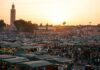
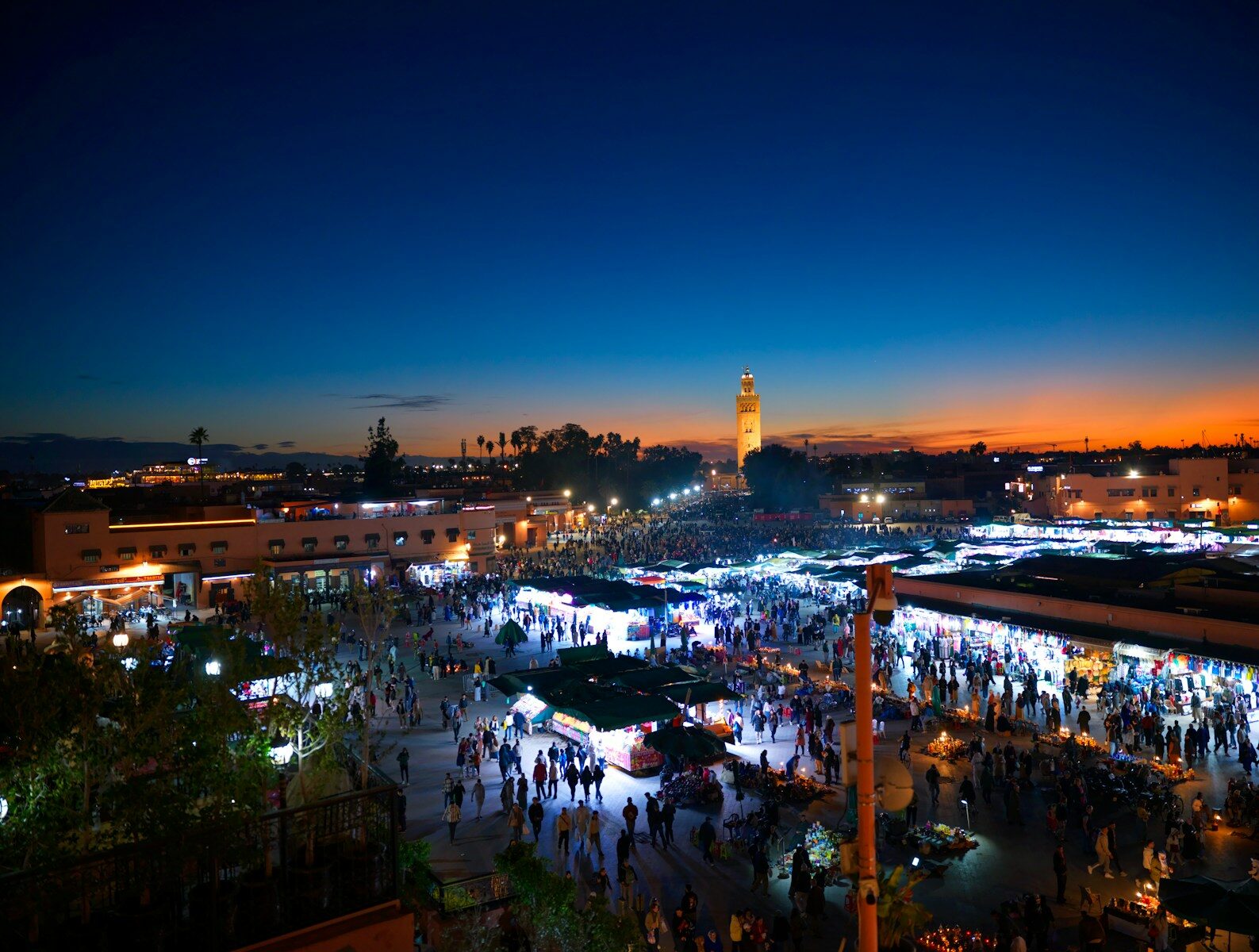
Jemaa el-Fna is free, open all day and at its best from about an hour before sunset. In the morning it is orange-juice stalls and henna artists. By evening, rows of grill stalls fill the center, and musicians, storytellers and acrobats form circles around them.
Watch the change from a café terrace first, then walk down into it. A bowl of harira soup or a plate of grilled skewers at the numbered stalls costs far less than a restaurant meal. Agree on the price before you sit, and check the bill item by item.
Keep your phone in a front pocket and politely refuse anyone who places a monkey or a snake on you. Those photos always end with a demand for money. Our Morocco travel safety guide lists the most common square tricks and how to say no without drama.
2. The souks north of the square
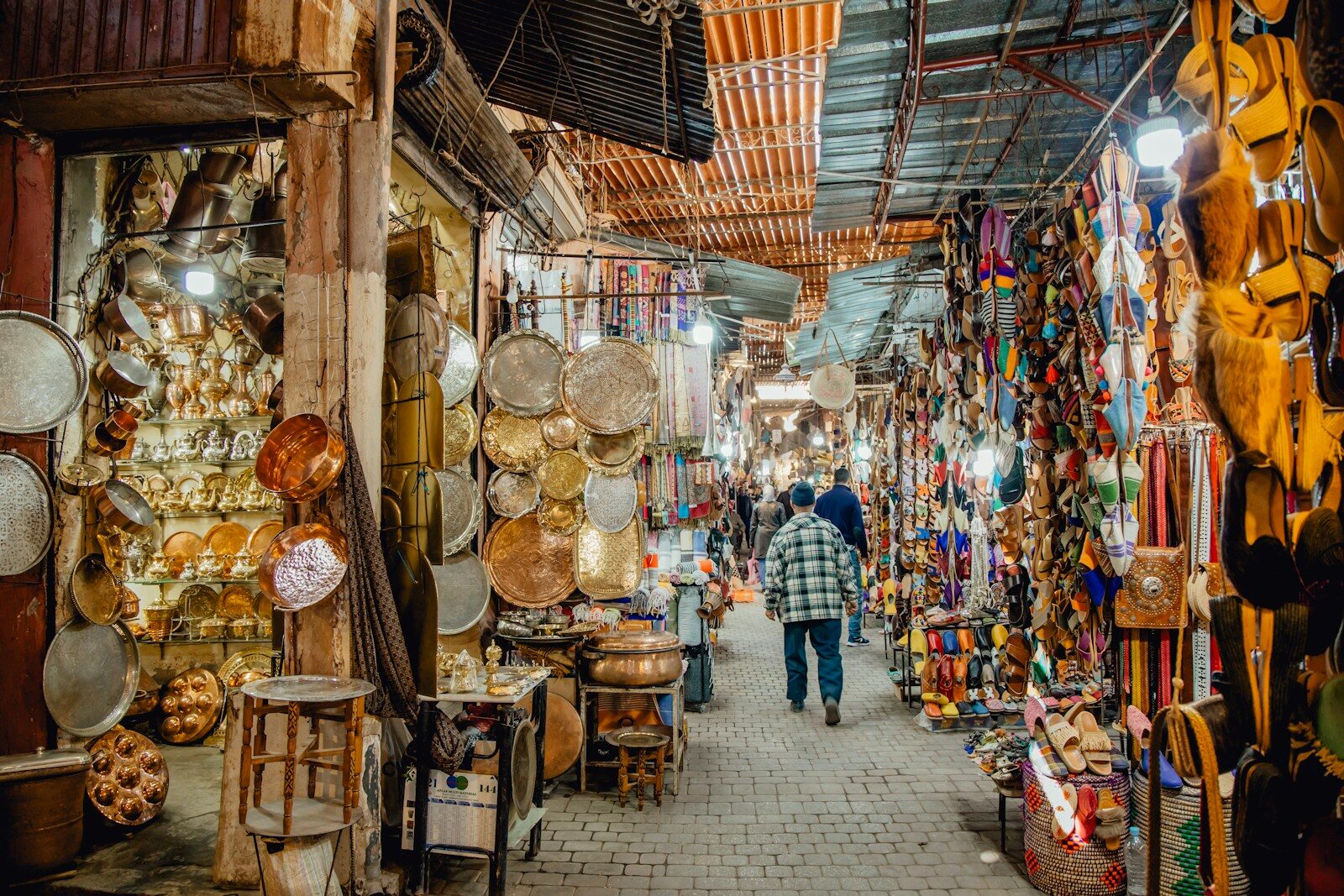
The souks start right behind Jemaa el-Fna and run north for more than a kilometer. Each lane has a specialty: leather in one, brass lanterns in another, dyed wool and slippers further in. Walking through is free and takes two to three hours if you shop.
Bargaining is expected. A fair rule is to start well below the first price and settle somewhere between half and two-thirds of it, depending on quality. If you don’t want to buy, a smile and “la, shukran” (no, thank you) works. Never let anyone “guide” you to a shop for free; the commission ends up in your price.
3. Ben Youssef Madrasa
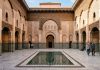
The Ben Youssef Madrasa was a Koranic school and is now the most photographed interior in the city. The central courtyard, with its marble basin, carved stucco and cedar, is the image on half of the city’s postcards. Upstairs, small student rooms open onto inner light wells.
According to the official Medersa Ben Youssef website, adult tickets cost 50 dirhams and children under 12 pay 10 dirhams, sold only at the entrance. Arrive at opening time and you can photograph the courtyard almost empty. Plan 45 minutes to an hour.
4. Bahia Palace
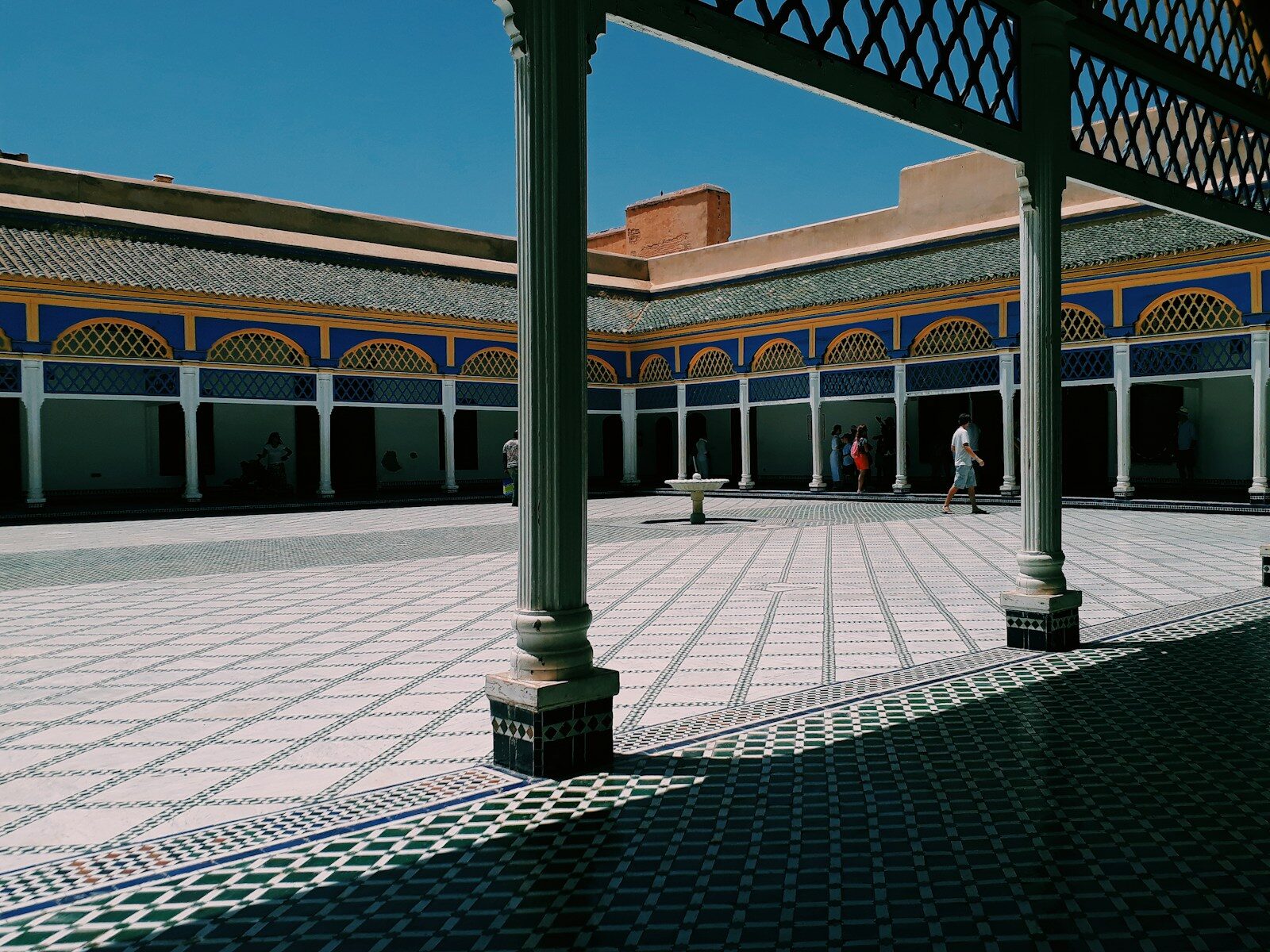
Bahia Palace was built in the 19th century for a grand vizier and spreads over a series of courtyards, gardens and reception rooms. The painted ceilings and tiled floors are the reason to come, and the large marble courtyard is one of the most impressive spaces in Morocco.
Tickets are around 100 dirhams per adult, paid in cash at the gate. Give it about an hour. Tour groups arrive mid-morning, so either go first thing or late in the afternoon. The palace sits at the edge of the Mellah, which makes it an easy pairing with entry 14.
5. The Saadian Tombs
The Saadian Tombs hold members of the Saadian dynasty, and were sealed off for centuries before being rediscovered in the early 20th century. The main draw is the Chamber of the Twelve Columns, with Italian marble and fine carved plaster. It is small: you need 30 to 45 minutes.
Expect to pay around 100 dirhams. The line for the main chamber can be long because visitors view it from a doorway one group at a time. Early morning helps. Combine it with El Badi Palace, a five-minute walk away.
6. El Badi Palace ruins
El Badi Palace is the opposite of Bahia. It was built by the Saadian sultan Ahmad al-Mansur and later stripped of its finery, so what remains is a huge sand-colored courtyard, sunken gardens, orange trees and storks nesting on the walls. It feels vast and quiet compared with the rest of the medina.
Entry is usually around 100 dirhams. Climb the ramparts for one of the best views over the medina rooftops toward the Atlas. One hour is enough. Bring water and a hat; there is very little shade.
7. Koutoubia Mosque and gardens
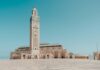
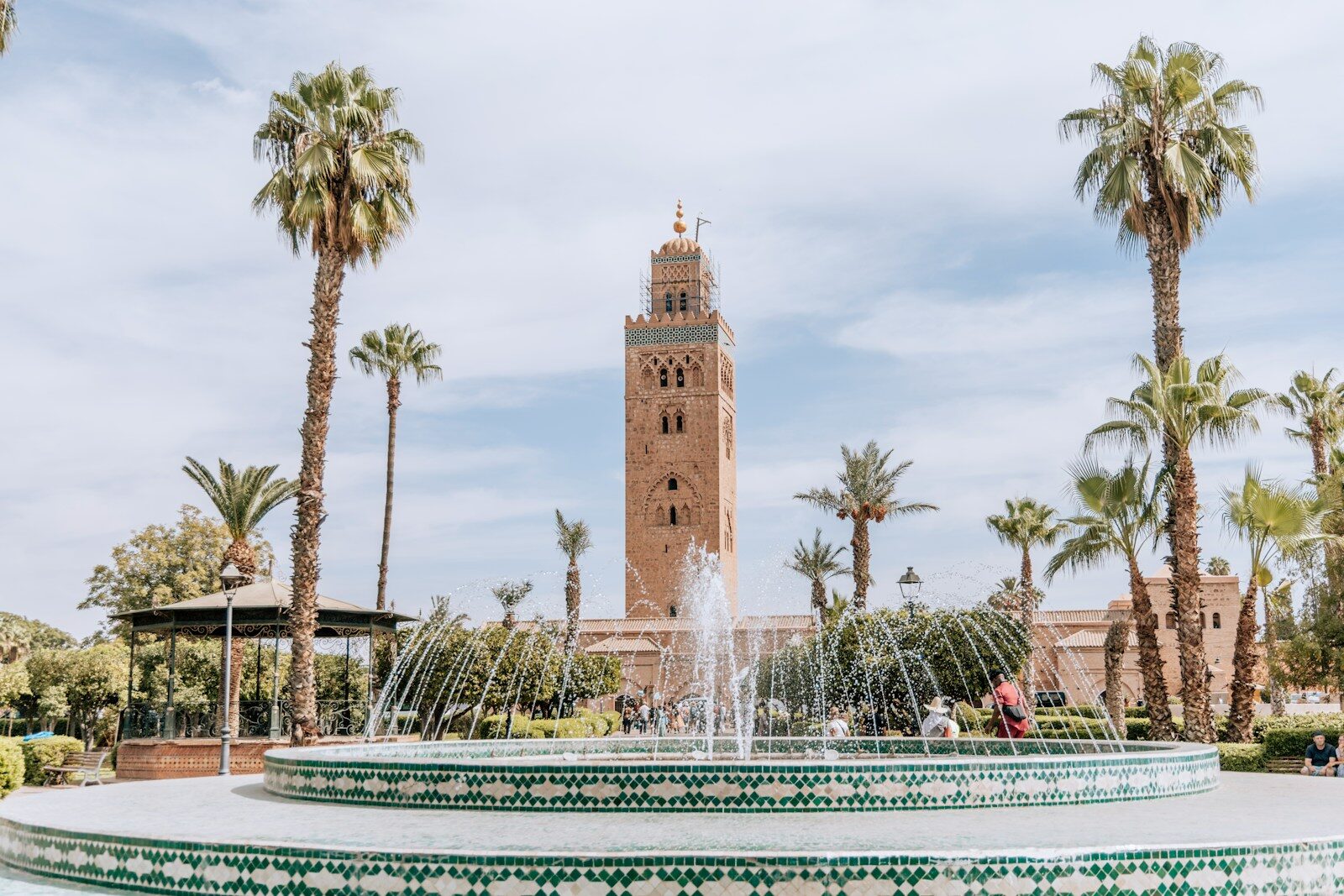
The Koutoubia’s minaret is the city’s landmark, visible from nearly every rooftop. Non-Muslims can’t enter the mosque, but the gardens beside it are free and pleasant, especially in the late afternoon. The foundations of an earlier mosque are visible next to the current one.
Use the Koutoubia as your compass. It sits a few minutes from Jemaa el-Fna, so when you’re lost in the lanes, aim for the minaret. At sunset, the call to prayer from here sets off a chain of mosques across the city. It is also one of the few places to visit Marrakech that costs nothing at all.
8. Le Jardin Secret
Le Jardin Secret is a restored riad garden in the Mouassine district, with an Islamic garden on one side and an exotic garden on the other. It shows how water from the Atlas was once channeled into the city. It is calm, compact and a welcome break between souk lanes.
Tickets are roughly 100 dirhams, with a small extra fee for the tower. Allow 45 minutes, longer if you stop at the café. It works well right after the Ben Youssef Madrasa, since both sit in the northern medina.
9. Dar el Bacha and its coffee house
Dar el Bacha, also called the Musée des Confluences, is a former pasha’s palace with some of the finest carved plaster and painted wood in Marrakech. Exhibitions change, but the building itself is the star. It feels far less crowded than Bahia.
Inside is a famous coffee house with gold-trimmed decor and a long list of blends. The line forms early, and a museum ticket doesn’t guarantee a café table. Go at opening time for both, or accept a wait. Plan about an hour for the palace and another for the coffee.
Places to Visit Marrakech Beyond the Walls, Plus Food and Wellness
Not all the best places to visit Marrakech are inside the old town. The new town of Gueliz, the gardens on the edge of the city and a few slow, local experiences balance the intensity of the medina.
10. Jardin Majorelle and the YSL Museum
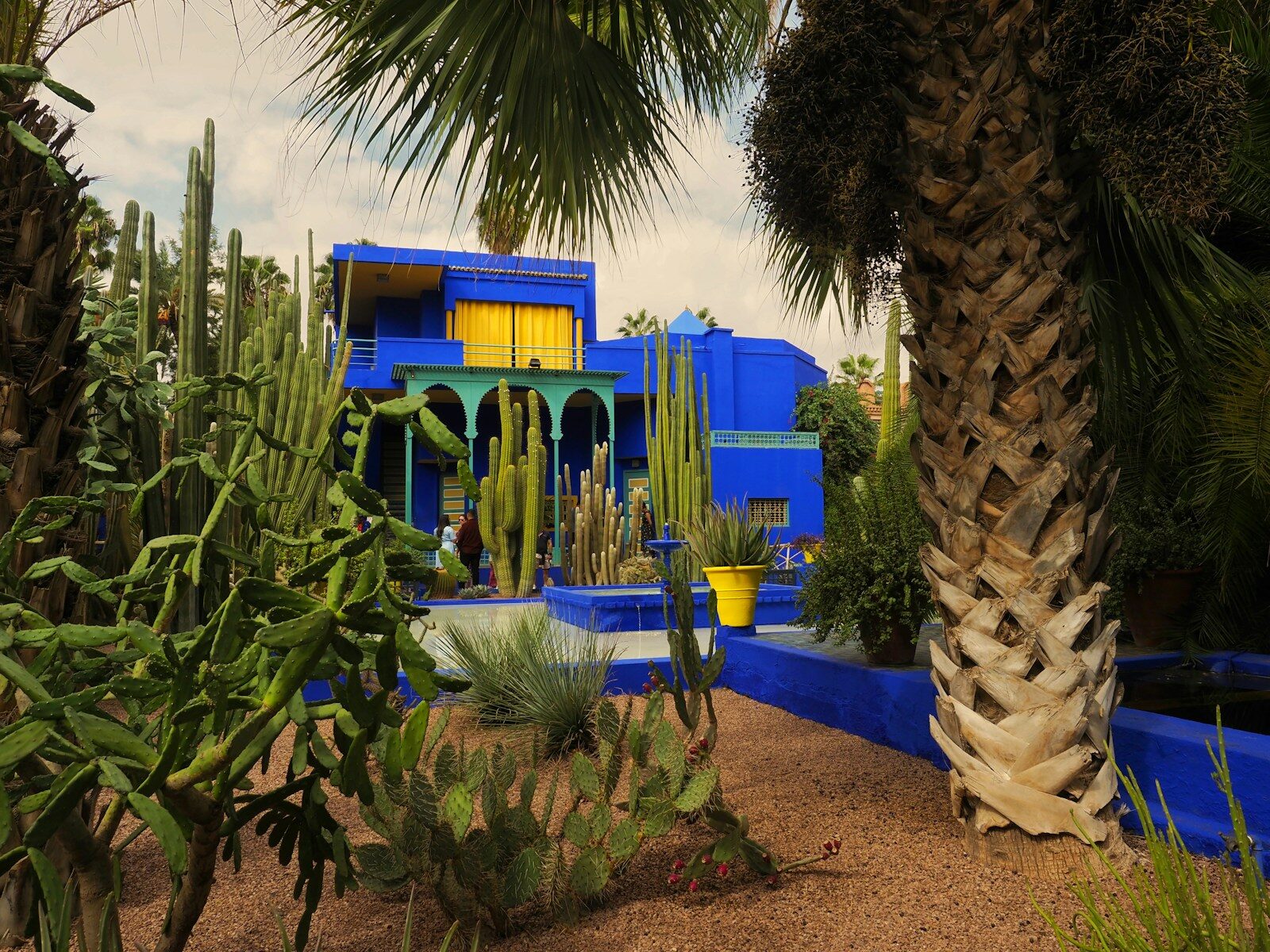
Jardin Majorelle is the cobalt-blue garden created by the painter Jacques Majorelle and later restored by Yves Saint Laurent and Pierre Bergé. Cacti, bamboo, fountains and the famous blue villa make it the city’s most popular paid sight. The Berber Museum sits inside the garden, and the Yves Saint Laurent Museum is next door.
Garden tickets are about 150 to 170 dirhams, and the YSL Museum costs extra. Book a time slot online because popular slots sell out and walk-up sales are limited. The garden is about 25 minutes on foot from Jemaa el-Fna, or a short petit taxi ride. Go at opening time or expect crowds.
11. Menara and Agdal gardens
The Menara Gardens are an olive grove around a large reflecting pool with a pavilion and the Atlas behind it. It is where many Marrakchi families walk on weekends. Entry to the grounds is free, with a small fee for the pavilion. The Agdal Gardens, south of the royal palace, open on limited days, so check before going.
These aren’t must-sees for a short trip, but they are a good choice for a slower afternoon. Take a petit taxi, and agree on a meter or a fixed fare before you get in.
12. A hammam scrub
A hammam is a steam bath followed by a vigorous scrub with black soap and a rough glove. It’s one of the most memorable Marrakech Morocco things to do, and one of the most relaxing after a day of walking. There are two very different versions.
Public neighborhood hammams cost very little to enter, and you bring your own soap, glove and towel. Spa hammams in riads and hotels run from roughly 200 to 500 dirhams and well beyond at luxury hotels. First-timers usually prefer a spa hammam, where staff explain each step. Book the day before.
13. A food tour or cooking class
Moroccan food is regional and home-cooked, and the best versions rarely appear on tourist menus. An evening street-food tour takes you to stalls for msemen pancakes, slow-cooked tanjia, snail broth and sweet pastries that you would never find alone.
A cooking class is the alternative for a hands-on afternoon. Most start with a market visit to buy spices and vegetables, then teach a tagine and a salad. Group classes usually cost a few hundred dirhams. Both are among the best tours in Marrakech for food lovers, and they make the rest of your meals easier to order.
14. The Mellah and the Spice Square
The Mellah is the historic Jewish quarter, next to Bahia Palace. Its covered spice market, old synagogue and quieter lanes show a different side of the medina. Many visitors pass through without noticing it, which is a shame.
Further north, Rahba Kedima, often called the Spice Square, sells spices, baskets and hats. Several rooftop cafés overlook it. It is one of the easiest places to visit Marrakech for a relaxed lunch with a view, and it sits between the souks and the Ben Youssef area.
15. A sunrise hot-air balloon flight
A balloon flight lifts off before dawn from the countryside outside the city and floats above Berber villages, palm groves and the Atlas foothills. Most packages include hotel pickup, about 45 minutes in the air and a breakfast after landing.
Expect roughly 1,500 to 2,500 dirhams per person, depending on the operator and extras. Flights depend on the wind, and a good company will reschedule rather than fly in poor conditions. Book it for your first morning so there’s a backup day. Some operators reduce flights in the hottest weeks of summer.
Marrakech Excursions: 6 Day Trips Worth the Drive
Marrakech excursions are where many travelers find their favorite memory of the trip. The landscapes change fast: snowy peaks, stone desert, waterfalls and the ocean are all within one to three hours. Most day trips leave between 8:00 and 9:00 and return by early evening. Outside peak holidays, booking Marrakech excursions a day or two ahead is usually enough.
Shared, private or self-drive
You have three ways to do Marrakech excursions. Shared group trips in a minibus are the cheapest. Private trips with a driver cost more but let you set the pace and the stops. Self-drive is possible, but mountain roads are narrow and night driving is risky. For most visitors, a shared or private tour from Marrakech is the easiest choice.
16. Agafay desert
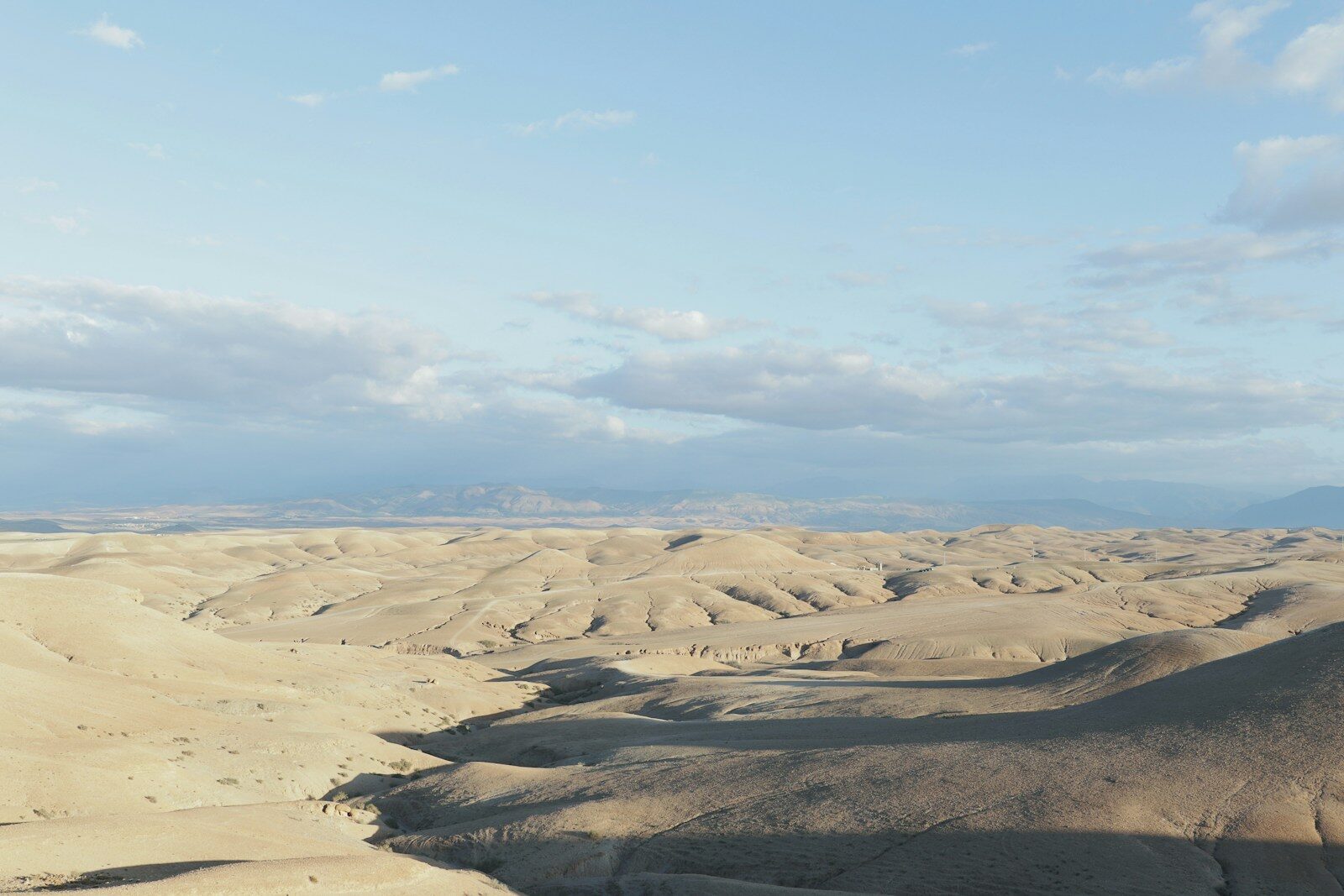
The Agafay desert is a rocky, sand-colored plateau about 40 minutes from the city, with the Atlas on the horizon. It is not the Sahara: there are no tall dunes. But it delivers the desert mood fast, with camel rides, quad bikes, sunset dinners and luxury camps with pools.
Half-day and dinner trips typically cost a few hundred dirhams up to around 900 dirhams with transport and a meal. It’s the best option if you only have one evening. Our full Agafay desert guide compares the camps and explains how it measures up to the real dunes.
17. Ourika Valley
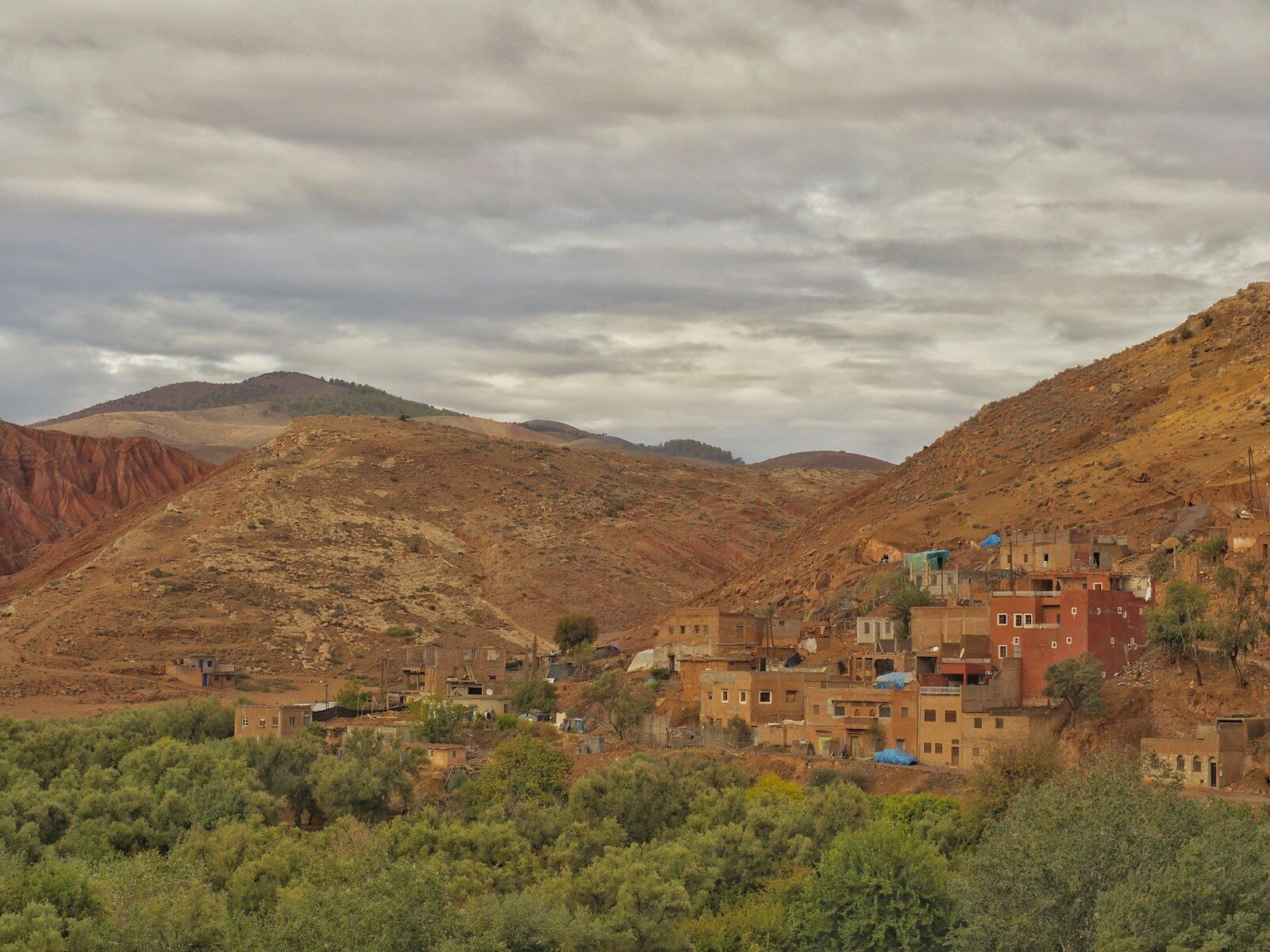
The Ourika Valley runs into the High Atlas about an hour south of the city. The road follows a river lined with cafés, clay villages and small argan cooperatives. At Setti Fatma, a short but rocky hike climbs to a series of waterfalls.
Shared day trips usually cost around 250 to 400 dirhams. Wear proper shoes for the waterfall hike, since some sections need scrambling. Avoid stormy days: the river can rise quickly after heavy rain in the mountains. With its riverside cafés and short walks, it is one of the gentlest Marrakech excursions for families with children.
18. Imlil and the Toubkal foothills
Imlil is a mountain village about 90 minutes from Marrakech, at the trailhead for Jbel Toubkal, North Africa’s highest peak. A day trip here means a guided walk through walnut groves and terraced fields to Berber villages, with lunch in a family home.
This is one of the best Marrakech excursions for walkers. Private day hikes with a guide often cost 400 to 700 dirhams per person, more for small groups. Summiting Toubkal itself needs at least two days, a licensed guide and good fitness, so don’t attempt it as a day trip.
19. Ouzoud waterfalls
The Ouzoud falls drop about 110 meters into a green gorge, roughly two and a half to three hours northeast of the city. Paths lead down past cafés to the base, where small boats take you close to the spray. Barbary macaques live in the trees along the trail.
Shared trips usually cost around 250 to 400 dirhams. It’s a long day, so it suits travelers with four or more days in the city. Our Ouzoud waterfall guide explains every way to get there and how to avoid the crowded midday hours.
20. Essaouira on the Atlantic
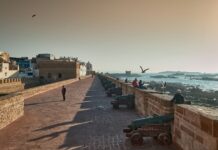
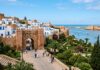
Essaouira is a whitewashed port town about two and a half to three hours west, with a fortified medina, a working fishing harbor and a long, windy beach. It is calmer and cooler than Marrakech, and the grilled sardines at the port are hard to beat.
A day trip works, but you’ll spend over five hours on the road, so many travelers stay a night or two instead. Shared trips cost around 250 to 400 dirhams, and buses run several times a day. Read our Essaouira Morocco guide before you decide between a day trip and an overnight stay.
21. Aït Ben Haddou and Ouarzazate
Aït Ben Haddou is a fortified clay village, or ksar, on the far side of the High Atlas, reached over the Tizi n’Tichka pass. It is a UNESCO site and a frequent film location. Nearby Ouarzazate has film studios and the Taourirt kasbah.
As a day trip it’s long: around four hours each way with photo stops. Expect to pay 400 to 600 dirhams for a shared trip. A better option is to see it on the first day of a desert tour from Marrakech, since most routes to the dunes pass right by it.
Desert Tour From Marrakech: Zagora, Merzouga or Agafay
A desert tour from Marrakech is the single most requested excursion in the city. The choice comes down to how many days you have and how much driving you can handle. The tall Sahara dunes are far away; the trip there is part of the experience, with mountain passes, kasbahs and palm oases on the way.
22. Two days to Zagora
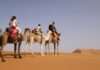
The two-day tour to Zagora crosses the Atlas, stops at Aït Ben Haddou and follows the Draa Valley palm groves to a camp near small dunes. You sleep in a tent, ride a camel at sunset and drive back the next day.
It’s the shortest desert tour from Marrakech that includes a night in a camp, and shared versions usually cost far less than a three-day trip. The trade-off: the dunes near Zagora are modest. If big, rolling dunes are the dream, go further.
23. Three days to Merzouga and Erg Chebbi
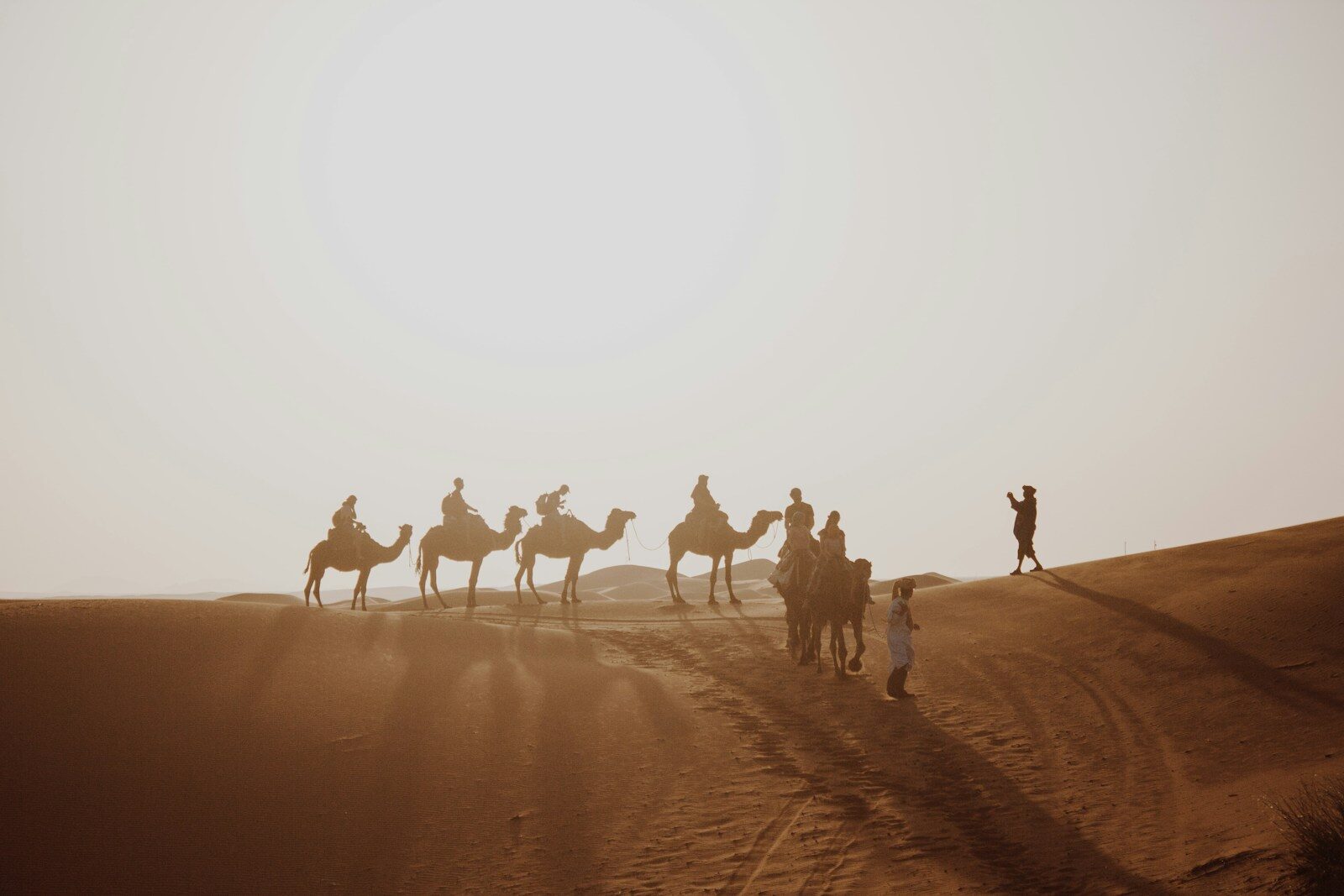
The three-day trip to Merzouga is the classic desert tour from Marrakech. Day one crosses the Tizi n’Tichka pass to Aït Ben Haddou and the Dades or Todra area. Day two passes through the Todra Gorge to Merzouga, where you ride camels into the Erg Chebbi dunes for the night. Day three is a long drive back, arriving around 7:00 to 8:30 in the evening.
Shared group versions are widely advertised from roughly 90 to 150 euros per person, with upgrades for private tents and bathrooms. Private versions cost much more. Many travelers prefer to end in Fes instead of driving back. Our guide to the Morocco Sahara desert tour compares camps and routes in depth.
Which desert option suits your trip
Use this quick rule when choosing a desert tour from Marrakech. With one evening, choose Agafay. With two days, choose Zagora. With three days or more, choose Merzouga, ideally ending in Fes. If the drive worries you, remember that Merzouga is roughly nine to ten hours from Marrakech on the road each way, broken up by stops.
| Option | Time needed | Dunes | Typical shared price | Best for |
|---|---|---|---|---|
| Agafay | Half day or one night | Stone desert, no tall dunes | A few hundred to about 900 MAD | Short stays, sunset dinner |
| Zagora | 2 days | Small dunes | Lower than Merzouga | One night in a camp on a budget |
| Merzouga | 3 days | Tall Erg Chebbi dunes | About 90 to 150 euros | The full Sahara experience |
Tours in Marrakech: Guided, Private or On Your Own
The last two entries are about the kinds of tours in Marrakech that make the rest of the list easier. Many visitors resist hiring help in the city, then spend their first day lost and hassled. A few hours with a professional often pays for itself. Comparing tours in Marrakech online is easy; judging them is harder, so the checklist at the end of this section helps.
24. A licensed guide for the medina
Licensed guides carry an official badge and can be booked through your riad or a reputable agency. A half-day walk usually covers Koutoubia, Bahia Palace, the Saadian Tombs and the souks, with history you’d never get from signs. Entry tickets are usually paid separately, in cash.
The best tours in Marrakech set clear terms in advance: duration, sights and no shopping stops unless you ask. Say so at the start. Unlicensed “guides” who approach you in the street are the main source of complaints, so book in advance rather than on the spot.
25. A private driver for a custom day
A private driver for the day lets you combine stops that group trips never mix, such as Ourika in the morning and Agafay at sunset. It also suits families and older travelers who want air conditioning and flexibility. Prices depend on distance and vehicle size, so get a written quote that lists fuel, tolls and waiting time.
Our guide to Morocco private tours covers how to vet an operator, what’s normally included, and the warning signs of a bad deal. Use those tips for any private tour from Marrakech.
How to judge any tour before you pay
Before booking any of the tours in Marrakech, check four things. First, the exact start and finish times. Second, what is included: entry fees, lunch, guide, camel ride. Third, the group size. Fourth, recent reviews that mention the operator by name. Pay a deposit, not the full price, when booking direct.
Marrakech Morocco Things to Do in 3 Days
Are 3 days enough for Marrakech? For the city itself, yes. Three full days cover the main sights at a sane pace, plus one excursion. If you want a Sahara trip, add three more days. Here’s a plan that works for most first-time visitors and covers the core places to visit Marrakech in a logical order.
Day 1: The medina classics
Start at the Ben Youssef Madrasa at opening time, then Le Jardin Secret and the souks. Have lunch on a rooftop above the Spice Square. In the afternoon, walk south to Koutoubia. Finish at Jemaa el-Fna at sunset, with dinner at the grill stalls or a terrace.
Day 2: Palaces, gardens and a hammam
Book an early time slot at Jardin Majorelle, then take a taxi back to Bahia Palace, the Mellah and the Saadian Tombs. Climb El Badi Palace in the late afternoon for the light. End the day with a hammam and a relaxed dinner at your riad.
Day 3: One excursion
Choose one of the Marrakech excursions that matches your mood: Imlil for a mountain walk, Ourika for an easy valley day, or Agafay for a sunset dinner. If you take Agafay, you’ll still have the morning free for Dar el Bacha or a cooking class.
| Day | Morning | Afternoon | Evening |
|---|---|---|---|
| 1 | Ben Youssef Madrasa, Le Jardin Secret | Souks, Spice Square, Koutoubia | Jemaa el-Fna |
| 2 | Jardin Majorelle | Bahia Palace, Mellah, Saadian Tombs, El Badi | Hammam |
| 3 | Dar el Bacha or cooking class | Excursion: Imlil, Ourika or Agafay | Desert dinner or rooftop |
With 4 or 5 days
Add a full-day trip to Essaouira or Ouzoud on day four. With five days or more, swap the single excursion for a desert tour from Marrakech and finish your trip in Fes. Our things to do in Morocco guide suggests what to see once you leave the city.
What to Avoid in Marrakech
Most problems in Marrakech are small and avoidable. Knowing the common patterns removes most of the stress and makes all the Marrakech Morocco things to do on this list easier to enjoy. These are the mistakes we see visitors make most often.
The “it’s closed, follow me” trick
A friendly stranger says the road ahead is closed, the mosque is shut, or “today is the last day of the Berber market.” The goal is to lead you to a tannery or a shop where you’ll be asked for money. Thank them and keep walking. Use an offline map instead.
Unmetered taxis and airport fares
Petit taxis should use the meter, or you should agree on a fare before you get in. Taxis waiting right outside Jardin Majorelle or big hotels often ask far more. Walk a short way and flag one down, or ask your riad to book a transfer from the airport.
Animal photos and henna pressure
Performers in Jemaa el-Fna place monkeys or snakes on tourists and then demand payment. Henna artists start drawing on your hand before you agree. A firm “no” with a smile is enough. If you want a photo, agree on the price first.
Overpacking the schedule
The heat, the crowds and the noise tire people quickly. Trying to see every sight in one day leads to a bad mood by afternoon. Plan two or three main stops per day, rest at midday, and go out again when it cools down. Summer afternoons can be very hot.
Dressing and photography mistakes
Marrakech is relaxed by Moroccan standards, but covered shoulders and knees draw less attention in the medina. Always ask before photographing people, and expect some to say no or ask for a small tip. Never photograph inside mosques or police and military sites.
Prices, Timing and Getting Around
Money and timing questions come up for nearly every one of the Marrakech Morocco things to do on this list. The table below gathers typical prices. Most monuments accept cash only, in dirhams, so carry small notes.
| Experience | Typical price (MAD) | Time needed |
|---|---|---|
| Jemaa el-Fna, souks, Koutoubia gardens | Free | 1 to 3 hours each |
| Ben Youssef Madrasa | 50 (children under 12: 10) | 45 to 60 minutes |
| Bahia Palace | About 100 | 1 hour |
| Saadian Tombs | About 100 | 30 to 45 minutes |
| El Badi Palace | About 100 | 1 hour |
| Le Jardin Secret | About 100 | 45 minutes |
| Jardin Majorelle (garden) | About 150 to 170 | 1 to 1.5 hours |
| Spa hammam | About 200 to 500 | 1 to 2 hours |
| Hot-air balloon | About 1,500 to 2,500 | Half day |
| Ourika, Ouzoud or Essaouira shared day trip | About 250 to 400 | Full day |
Best time to visit
Spring and autumn are the most comfortable seasons, with warm days and cool evenings. Winter is mild in the day but cold at night, and the Atlas often has snow. Summer is very hot in the afternoon, so plan sights for early morning and evening, and consider the coast or the mountains for day trips. In summer, choose tours in Marrakech that start early and finish before the midday heat.
Getting around
The medina is best on foot. Petit taxis are cheap for longer hops, such as to Gueliz or the gardens. For the airport, a pre-booked transfer avoids haggling late at night. For Marrakech excursions, use a reputable tour company or a driver arranged through your riad.
Marrakech Morocco Things to Do: FAQ
What should I not miss in Marrakech?
Don’t miss Jemaa el-Fna at sunset, the Ben Youssef Madrasa, Bahia Palace, Jardin Majorelle and an evening in the souks. Add at least one of the Marrakech excursions, such as Imlil, Ourika or Agafay, to see the landscapes around the city.
Is Marrakech, Morocco worth visiting?
Yes. It combines world-class architecture, food and shopping with quick access to mountains and desert. It can feel intense in the medina, but early starts, a good riad and one day outside the city make the experience far easier.
What is Marrakech best known for?
Marrakech is best known for Jemaa el-Fna square, its UNESCO-listed medina and souks, palaces like Bahia, Jardin Majorelle, riads and its role as the starting point for a desert tour from Marrakech to the Sahara.
Are 3 days enough for Marrakech?
Three days are enough for the main places to visit Marrakech and one day trip. You’ll need five or six days if you want a three-day Sahara trip to Merzouga as well.
What should I avoid in Marrakech?
Avoid unofficial street guides, unmetered taxis, paying for animal photos, and anyone who says a road or sight is closed and offers to lead you. Also avoid overloading your days, especially in summer heat.
How much does a desert tour from Marrakech cost?
Agafay trips cost a few hundred dirhams up to around 900 dirhams. Shared three-day trips to Merzouga are widely advertised from about 90 to 150 euros per person. Private desert tours cost much more, depending on the vehicle and camp level.
What are the best Marrakech excursions for one day?
For a single day, the best Marrakech excursions are Imlil for a guided mountain walk, the Ourika Valley for an easy river day with waterfalls, and Agafay for a sunset dinner in the stone desert. Essaouira and Ouzoud are rewarding but involve five or more hours on the road.
Are tours in Marrakech worth booking?
Yes, especially a licensed guide for your first half day in the medina and a reputable operator for any day trip. Good tours in Marrakech save time, explain what you’re seeing and reduce hassle from unofficial guides.
Final Thoughts on Marrakech Morocco Things to Do
The best Marrakech Morocco things to do are not a checklist to rush through. They are a mix: a few great monuments at quiet hours, a long evening on the square, a slow lunch on a rooftop, and at least one day where the city disappears behind you on a mountain road or in the desert.
If you take only one idea from this guide, make it this: start early and leave the city once. The medina is at its most beautiful before 10 a.m., and Marrakech excursions show you why so many travelers fall for Morocco beyond its most famous city.
Your next step is simple. Pick your excursion first, since it shapes the rest of your days, then book your Majorelle time slot and your riad. Everything else on this list can be arranged once you arrive. When you’re ready to look further, our Morocco itinerary shows how to connect Marrakech with Fes, the coast and the Sahara.