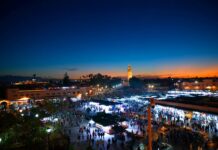
Casablanca Morocco travel starts, for most people, with a landing at Mohammed V Airport and a quick train out of town. That habit hides a city of about 3.2 million people, according to the 2024 census by Morocco’s High Commission for Planning, with an Atlantic promenade, an Art Deco downtown and one of the largest mosques on Earth standing over the waves.
Morocco itself is busier than ever. The Ministry of Tourism reported a record 19.8 million arrivals in 2025, and a large share of long-haul visitors first set foot in the country here. Many of them leave Casablanca within an hour, convinced there is nothing to see. That is a mistake, though not for the reasons glossy brochures give.
Casa, as locals call it, is not a postcard medina city. It is Morocco’s business capital, its biggest port and its most modern skyline. That is exactly what makes it interesting: you see how Moroccans live today, not only how they lived three centuries ago.
This Casablanca travel guide is written for the traveler who has a flight into Casablanca and a decision to make. Stay one night or three? Is it safe right now? Is it expensive? Is it nicer than Marrakech? Below you will find straight answers, 15 places worth your time, real prices in dirhams, three ready-made plans and the practical details that save money and stress.
Casablanca Morocco Travel at a Glance
Before getting into Casablanca Morocco attractions, it helps to know what kind of city you are dealing with. Casablanca is big, spread out and practical. Its charm sits in specific neighborhoods rather than one walkable old town, so a little planning goes a long way.
Here is the short version for anyone planning a Casablanca trip:
- The Hassan II Mosque is the one unmissable sight, and it is the only major mosque in Morocco that non-Muslim visitors can enter on a guided tour.
- The downtown holds some of the finest Art Deco and neo-Moorish buildings in Africa, mostly built between the 1910s and 1950s.
- The Corniche and Ain Diab give you ocean air, beach cafés and sunsets that Marrakech and Fes cannot offer.
- Food is a strong point, especially seafood from the port and the Central Market.
- Transport is good: an airport train, a tramway network, cheap red petit taxis and fast trains to Rabat, Tangier and Marrakech.
If you are still building your wider route, our Morocco itinerary guide shows where Casablanca fits best in five-day to three-week trips.
Where Is Casablanca City? Location and Layout
People often type “where is Casablanca city” into a search bar because the name sounds familiar from the old film but the map is fuzzy. Casablanca sits on Morocco’s Atlantic coast, in the west-central part of the country, roughly 90 km southwest of the capital, Rabat, and about 240 km north of Marrakech by road.
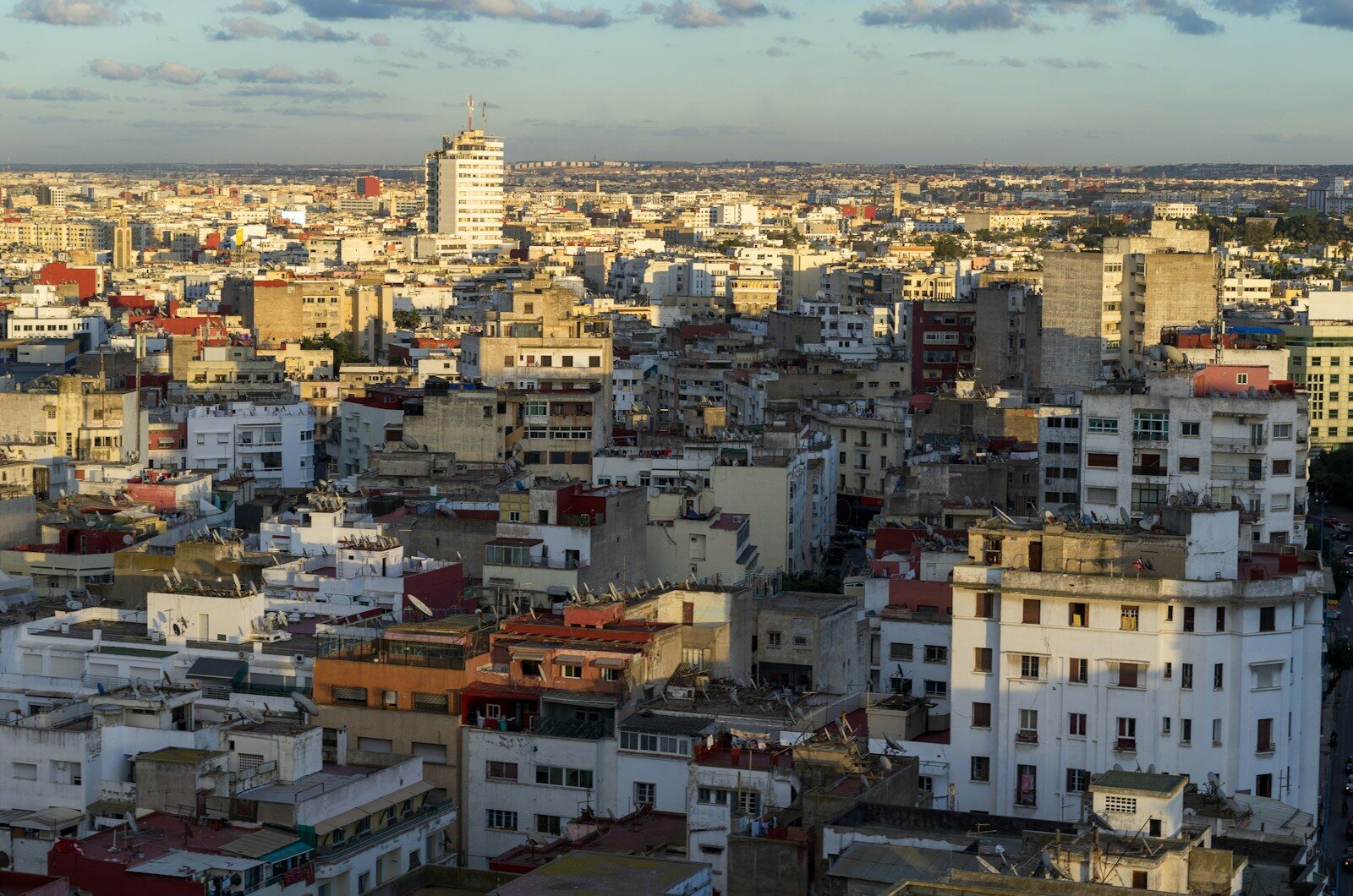
Where is the city of Casablanca located on a map?
On a map of North Africa, the city of Casablanca is located about 300 km southwest of the Strait of Gibraltar. It is the capital of the Casablanca-Settat region, home to roughly 7.7 million people in the same census, which makes it the most populated region in the country.
The airport lies about 30 km south of the center, near the town of Nouaceur. That distance matters for planning, because a taxi ride is long and pricey compared with the train.
How the city is laid out
For Casablanca travel, the city is easier to understand as a set of districts than as one center. Think of it in five zones:
- Downtown (Centre-Ville): Mohammed V Square, Boulevard Mohammed V, the Central Market and most Art Deco buildings.
- Old Medina: a compact walled quarter between downtown and the port, with the clock tower and Bab Marrakech.
- Hassan II Mosque area: on the ocean just west of the medina.
- Corniche and Ain Diab: the seafront strip running west toward Morocco Mall, packed with cafés, beach clubs and hotels.
- Habous and Maarif: the Habous Quarter (New Medina) to the southeast, and Maarif, a lively shopping and dining district south of downtown.
Distances between these zones are short by taxi, usually 10 to 20 minutes, but too long to walk all of them in one go. The tram links several of them, which we cover in the transport section.
Is Casablanca Worth Visiting for Tourists?
Yes, if you go in with the right expectations. Casablanca is worth visiting for tourists who enjoy architecture, food, ocean views and seeing modern Moroccan life. It is less rewarding if you only want souks, riads and the medieval atmosphere of Fes or Marrakech.
The honest case for visiting rests on three things. First, the Hassan II Mosque is a world-class building, and its guided tour is one of the few chances in Morocco to step inside a working mosque. Second, Casablanca’s 20th-century architecture is a genuine heritage site, recognized by the city’s preservation association Casamémoire and placed on UNESCO’s tentative list. Third, the city feeds you well: grilled sardines at the port, oysters at the Central Market and pastries in Habous.
Who will love Casablanca
Architecture fans, foodies, business travelers with a free day, and anyone flying in or out of Morocco will get real value from a stop here. Travelers who have already done Marrakech and Fes often enjoy Casa most, because it feels like the Morocco of now rather than a museum.
Who might want to keep it short
If your time in Morocco is under a week and your dream is desert dunes and riads, one day or even half a day in Casablanca is enough. The city rewards curiosity more than it rewards a checklist approach.
Our verdict on travel to Casablanca Morocco is simple: give the city at least one full day, and plan it well. A rushed afternoon between flights is what gives the city its unfair reputation.
15 Best Places to See in Casablanca
These are the best places to see in Casablanca, ordered roughly by how much they shape a first visit. Prices and opening hours change, so treat the figures below as guidance and confirm the day before you go.
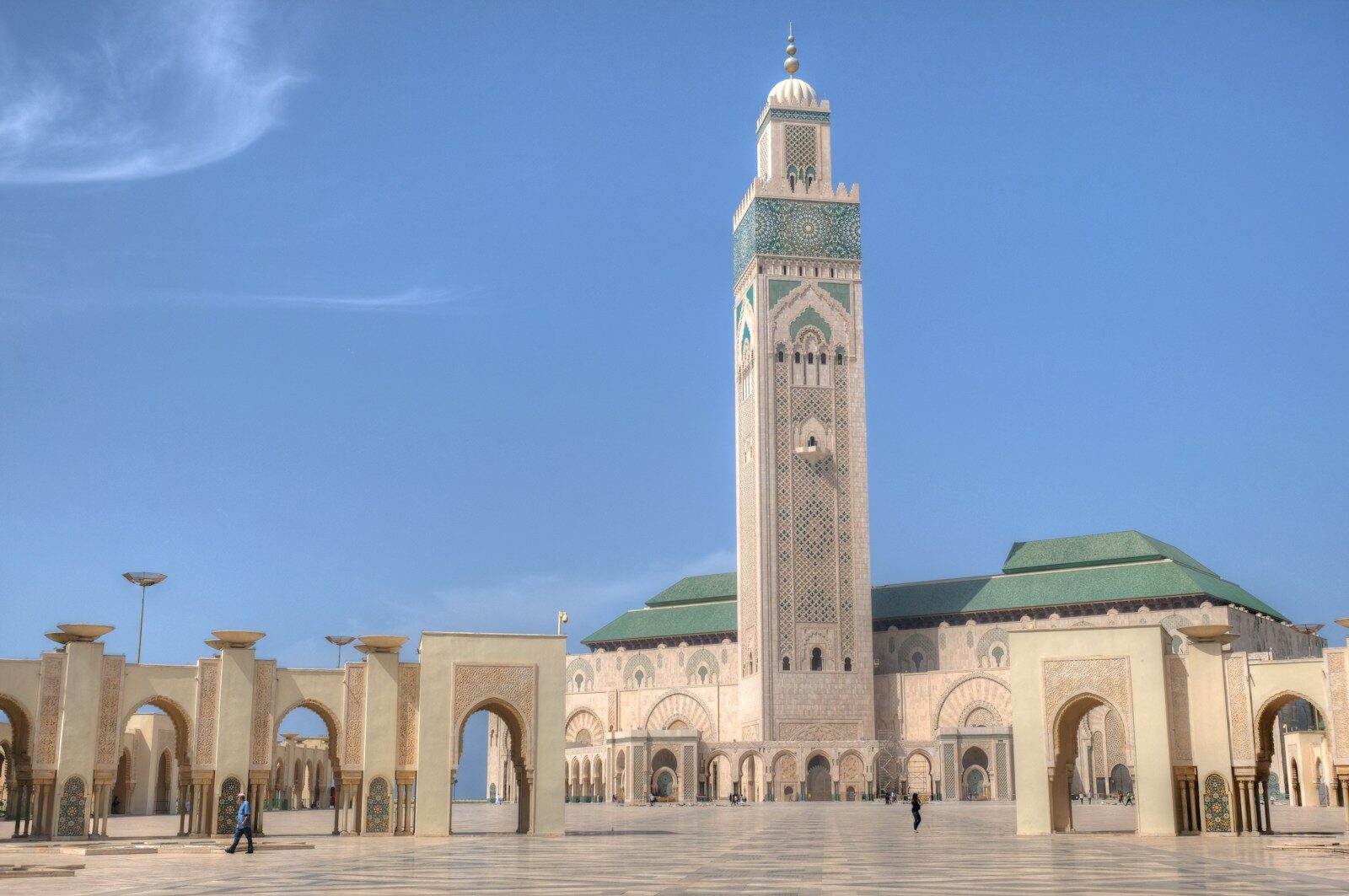
1. Hassan II Mosque, the top Casablanca Morocco attraction
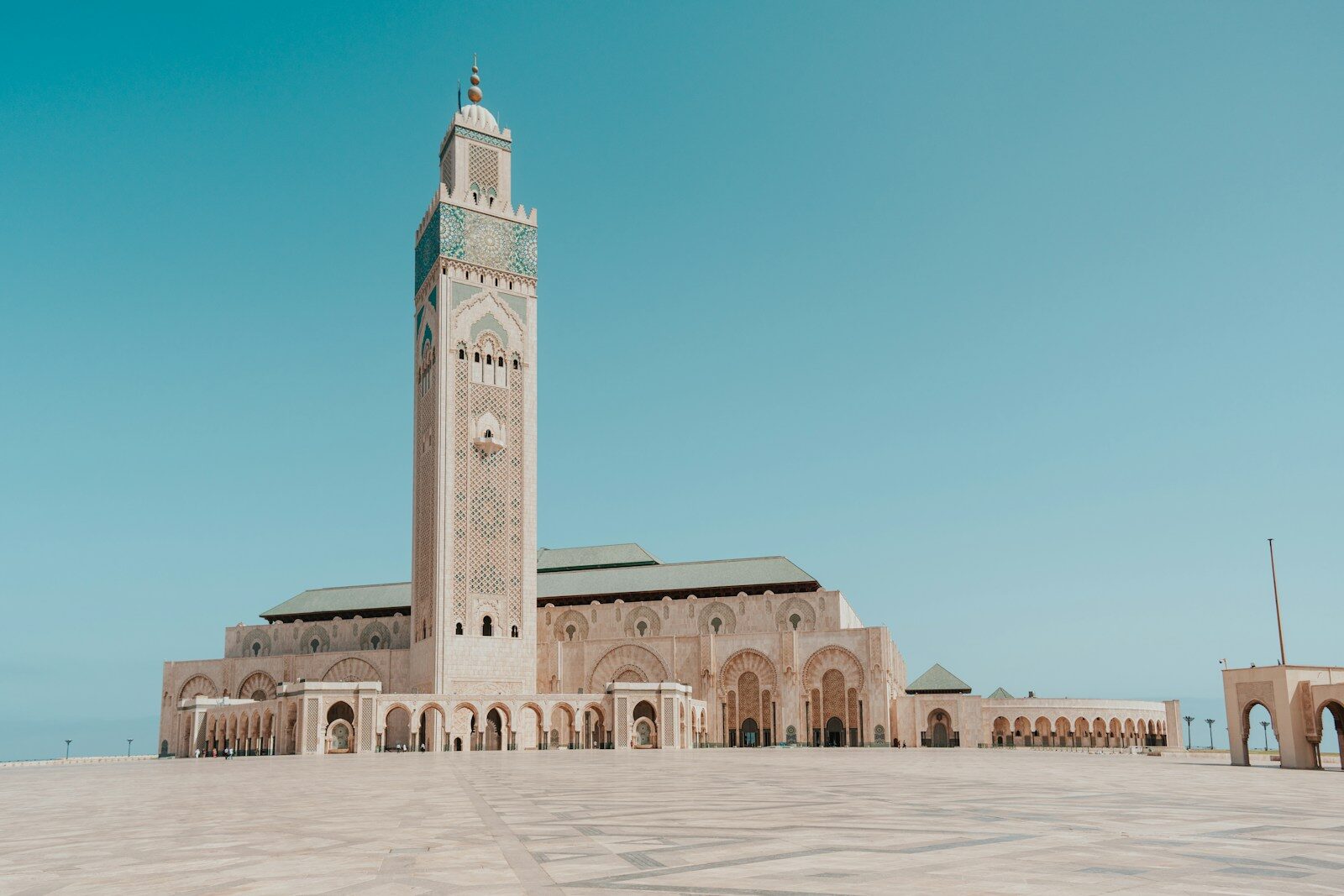
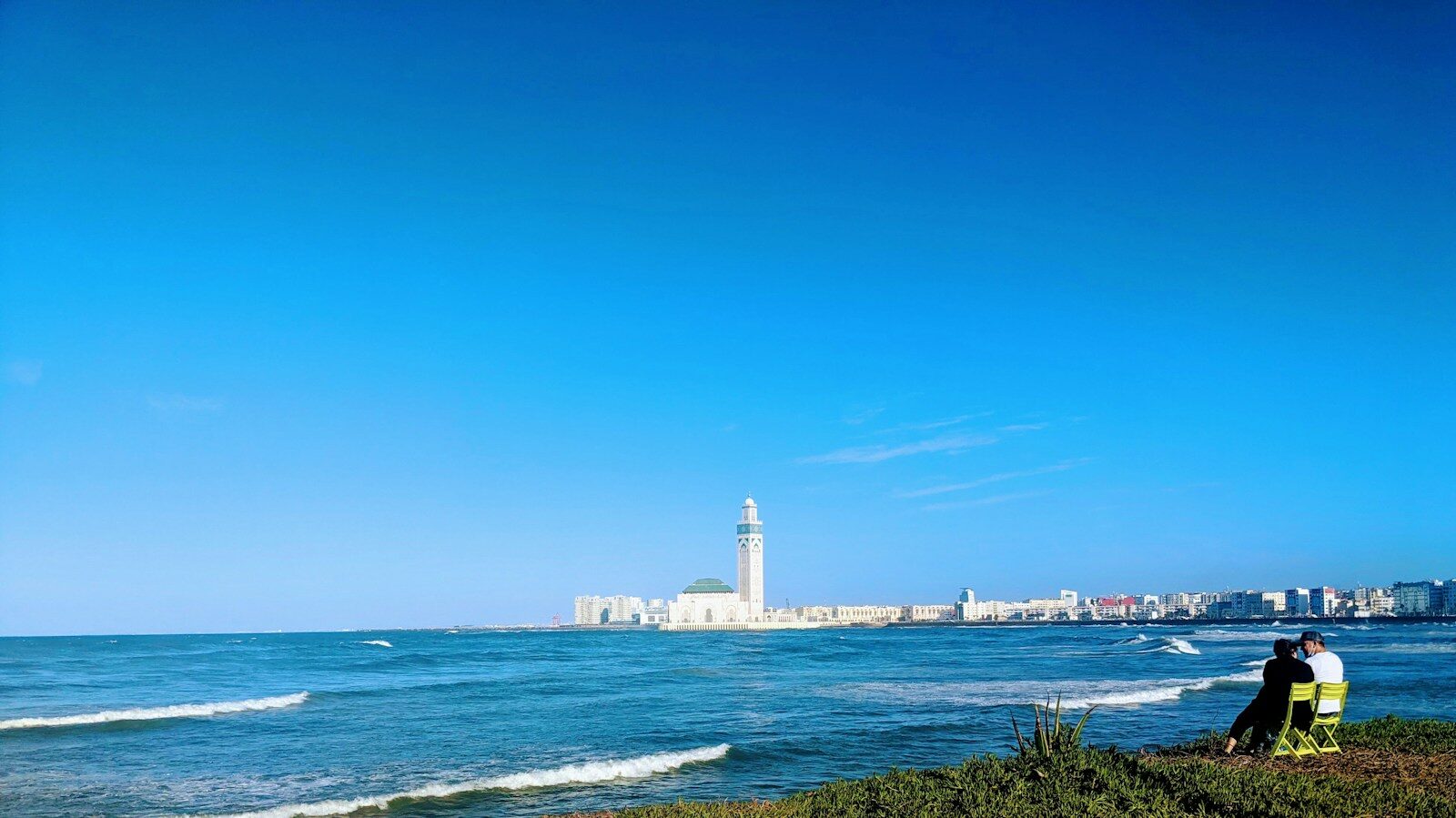
Completed in 1993, the Hassan II Mosque stands partly over the ocean on a platform of reclaimed land. Its minaret rises about 210 meters, among the tallest in the world, and the prayer hall can hold tens of thousands of worshippers. The roof can slide open, and at night a laser points from the top of the minaret toward Mecca.
Non-Muslims can visit only on guided tours, which run several times a day in English, French, Spanish and other languages. The mosque’s foundation lists the standard foreign-visitor ticket at about 140 MAD. Tours usually start between 9 am and the mid-afternoon, with fewer slots on Fridays and a shorter schedule in winter.
Dress modestly, with shoulders and knees covered, and expect to take off your shoes inside. Book or arrive early in high season, because tour groups fill the morning slots. Even if you skip the interior, walk the esplanade at sunset, when the stone turns gold.
2. Old Medina of Casablanca
Among the best places in Casablanca for atmosphere, the medina is small, calm and lived in. You will not find the maze of Fes or the theatrical souks of Marrakech, and that is the appeal. Vendors are less pushy, and the shops sell everyday goods to residents rather than souvenirs to tour groups.
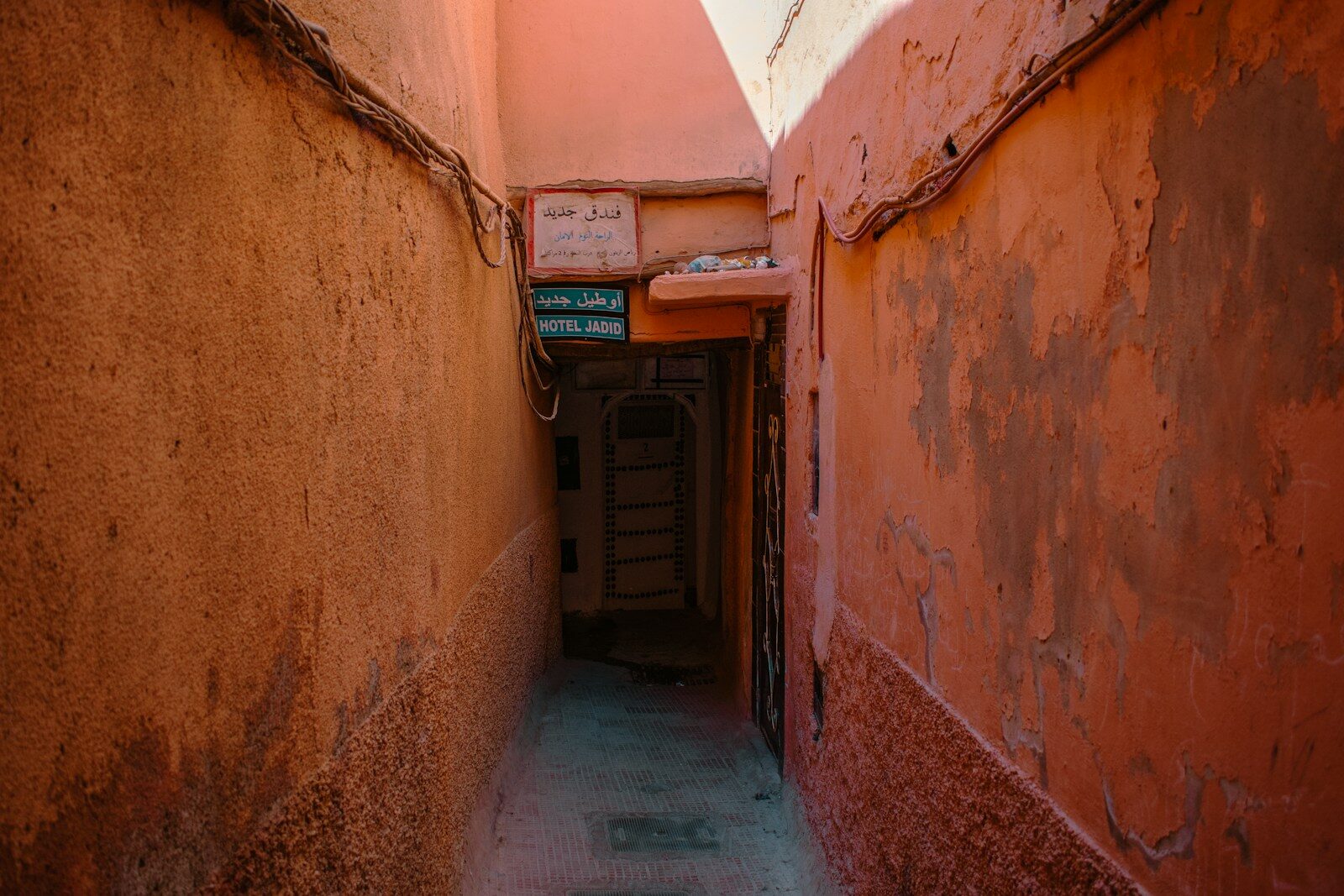
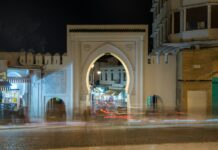
Enter through Bab Marrakech or beside the clock tower, a 1990s reconstruction of the original 1908 tower that marked the edge of the French-built new town. Inside, look for the Ettedgui Synagogue, restored after decades in ruin, and the Ould el-Hamra Mosque.
3. La Sqala bastion
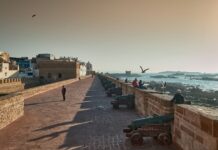
On the medina’s ocean side, the 18th-century Sqala fortification still carries old cannons on its walls. Inside its garden courtyard sits a popular restaurant serving Moroccan breakfasts and tagines in a shaded setting. It is one of the best places in Casablanca to sit for an hour.
4. Mohammed V Square
This is the civic heart of the city, laid out under the French Protectorate. Around the square stand the Wilaya (regional government) with its clock tower, the courthouse, the central post office and the Bank Al-Maghrib building, all blending French planning with Moroccan decoration.
The striking white Grand Théâtre de Casablanca, designed by Pritzker Prize winner Christian de Portzamparc, now dominates one side of the square. Its opening was delayed for years, so check its current program before planning an evening around a show. The building is worth seeing from outside either way.
5. Boulevard Mohammed V and the Art Deco downtown
For sightseeing Casablanca on foot, the real open-air museum is the streets around Boulevard Mohammed V. Look up and you will see curved balconies, wrought-iron railings, geometric reliefs and tilework on buildings from the 1920s to the 1950s. The tram now runs down the boulevard, and several blocks are pedestrian.
Standouts include the Bessonneau building (the former Hôtel Lincoln), the Rialto cinema and the facades along Rue Prince Moulay Abdallah. Casamémoire runs heritage walks and open-house weekends, which are the best way to see interiors.
6. Central Market (Marché Central)
Built in 1917, the Central Market is a neo-Moorish courtyard packed with fish, fruit, flowers and olives. Small restaurants around the hall will grill seafood you buy at the stalls. Oysters from Oualidia and Dakhla are sold by the piece and are excellent value.
Go late morning, when the stalls are full and the lunch crowd has not arrived yet. It is the closest thing Casablanca has to a street-food scene, and one of the tastiest things to do in Casablanca.
7. Habous Quarter (New Medina)
The Habous was built by the French administration in the 1920s and 1930s as a “new medina,” with wide, tidy lanes and covered arcades. It is the best place in Casablanca to shop for leather slippers, djellabas, copper, ceramics and spices, at prices that are usually calmer than in Marrakech.
Do not leave without a box of pastries from Pâtisserie Bennis, a local institution. Next door, the Mahkama du Pacha, a former court and pasha’s residence, has some of the finest carved plaster and cedar in the city, though access depends on official visits.
8. Arab League Park (Parc de la Ligue Arabe)
Casablanca’s historic green lung, first laid out in the 1910s, was renovated and now has palm-lined avenues, a skate park, kiosks and space to breathe. It is one of the calmer Casablanca places to go for a morning walk or a coffee between downtown sights, and it is popular with local families on weekends.
9. Sacré-Cœur Cathedral
On the edge of the park stands the bright white former Sacré-Cœur Cathedral, built in 1930 in a mix of Gothic and Art Deco styles. It stopped serving as a church after independence and has been used as a cultural venue. Renovation work has limited access at times, so view it as an exterior stop unless an event is on.
10. Museum of Moroccan Judaism
In the residential Oasis district, this small museum tells the long story of Morocco’s Jewish communities through clothing, ritual objects, photos and recreated interiors. It is often described as the only museum of its kind in the Arab world, and it gives a side of Moroccan history that most tours skip. Check opening days before you go, since it keeps weekday hours.
11. Villa des Arts and the Abderrahman Slaoui Museum
Two small cultural stops for art lovers. The Villa des Arts is a 1930s Art Deco villa that hosts modern and contemporary Moroccan exhibitions. The Abderrahman Slaoui Foundation Museum, in a family house downtown, displays jewelry, Orientalist travel posters and decorative arts. Both are quiet, air-conditioned breaks from the street.
12. The Corniche and Ain Diab beach
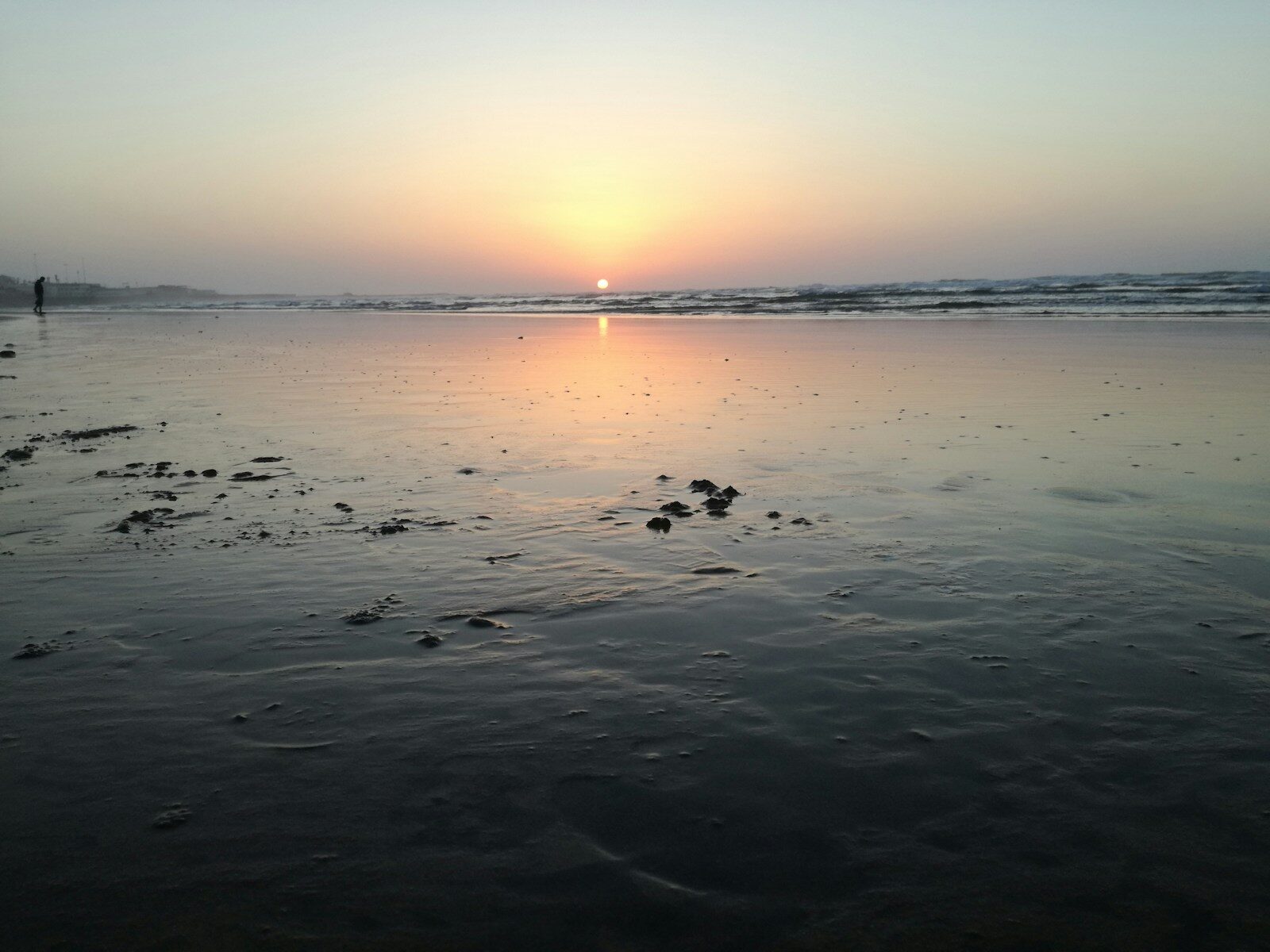
The Corniche runs west from the mosque along the Atlantic, lined with cafés, restaurants, beach clubs and hotels. Ain Diab beach fills with families in summer, while in cooler months the promenade belongs to joggers and couples watching the sunset. Swim only at supervised spots, because Atlantic currents can be strong.
13. El Hank lighthouse and Sidi Abderrahmane
At the western start of the Corniche, the El Hank lighthouse watches over a rocky stretch of coast. Further west, the tiny island of Sidi Abderrahmane holds a saint’s shrine and a maze of whitewashed houses, reached on foot at low tide or by a short causeway. It is an unusual, slightly mystical stop, best visited in daylight.
14. Morocco Mall
At the far end of the Corniche, Morocco Mall is one of Africa’s largest shopping centers, with an indoor aquarium, international brands, cinemas and a food court. It is not a cultural site, but it shows how Casablanca’s middle class spends weekends, and it is one of the handier things to do in Casablanca on a rainy day.
15. Rick’s Café
The 1942 film was shot in Hollywood, not here, but Rick’s Café recreates its piano-bar world in a restored mansion beside the medina walls. Food is decent rather than memorable, and prices are high by local standards. Book ahead for dinner, dress smart casual and treat it as an atmosphere stop.
Things to Do in Casablanca Beyond the Sights
Seeing landmarks is only half of a good stay. Many of the best things to do in Casablanca are experiences rather than places, and they are what make people come back.
Eat your way through the port and the market
Head to the port area near Casa-Port station in the late morning. Simple stalls and canteens grill whatever came in that day, and a plate of sardines or mixed fish costs far less than on the Corniche. At the Central Market, buy shellfish at a stall and have a neighboring restaurant cook it.
For Moroccan classics, try harira soup, a Friday couscous and a seafood pastilla. Casablanca also has the country’s widest range of international food, from Lebanese grills to sushi, which is a relief after a long trip.
Sightseeing Casablanca on foot: an Art Deco walk
Start at Mohammed V Square around 9 or 10 am, when the light is soft on the white facades. Walk up Boulevard Mohammed V to the Central Market, then loop through Rue Tahar Sebti and Rue Prince Moulay Abdallah. Two relaxed hours is enough, and you will see more detail than any bus tour shows.
Try a hammam
A traditional hammam is one of the best ways to recover from travel. Neighborhood hammams cost very little but expect you to bring your own kit and know the routine. Hotel and spa hammams cost more but explain each step and provide the black soap, the scrub glove and towels.
Surf, swim or sit by the sea
Ain Diab and the beaches just south of the city, such as Dar Bouazza, have surf schools for beginners. Many beach clubs on the Corniche sell day passes that include a pool, a sunbed and lunch, which can be the most relaxing afternoon of your Casablanca trip.
Casablanca places to go at night
Casa has Morocco’s most varied nightlife. The Corniche hosts lounges and clubs, Maarif has bars and casual restaurants, and the downtown jazz and piano bars, Rick’s Café included, suit a calmer evening. Remember that alcohol is served only in licensed venues, and public drinking is not allowed.
Take a day trip
Fast trains make Casablanca a good base. Rabat, the elegant capital, is about an hour away by train and pairs perfectly with a Casablanca visit; see our Rabat travel guide for its sights. To the south, El Jadida’s UNESCO-listed Portuguese city and its atmospheric cistern make a fine half-day or full-day trip by train or car.
Casablanca Trip Plans: How Many Days Is Enough?
For most Casablanca travel plans, one full day covers the essentials and two days lets you enjoy the city properly. Three days makes sense if you add a day trip, beach time or business. Below are three tested patterns you can copy.
One day in Casablanca
- Morning: Hassan II Mosque guided tour at 9 or 10 am, then a walk through the Old Medina and a coffee at La Sqala.
- Lunch: grilled fish at the port or a seafood plate at the Central Market.
- Afternoon: Mohammed V Square, the Art Deco streets, Arab League Park and the Sacré-Cœur exterior.
- Evening: taxi to the Corniche for sunset, then dinner in Ain Diab or Maarif.
This Casablanca trip plan works for layovers too, as long as you leave enough time for the airport train and security.
Two days in Casablanca
Use day one as above. On day two, start in the Habous Quarter with pastries from Bennis, then visit the Museum of Moroccan Judaism or the Villa des Arts. After lunch, head west for El Hank, Sidi Abderrahmane and a late afternoon on the beach, ending at Morocco Mall or a Corniche restaurant.
Three days with a day trip
Add Rabat for its Kasbah of the Udayas, Hassan Tower and the Chellah, or El Jadida for its Portuguese walls. Both are easy by train. If your next stop is Marrakech, our Moroccan Marrakech guide covers what to see once you arrive, and the train between the two cities takes around two hours and forty minutes.
Best time to visit
Spring (March to May) and autumn (September to November) bring mild weather and clear skies. Summer stays bearable thanks to the ocean breeze, which is why many Moroccans holiday on the coast. Winter brings rain and gray days, but rarely real cold. During Ramadan, the city slows by day and comes alive after sunset, and mosque visiting hours may change.
Travel to Casablanca Morocco: Getting There and Around
Travel to Casablanca Morocco, and around the city once you land, is easier than its size suggests. The key is to use the train from the airport, the tram downtown and metered petit taxis for the rest.
Arriving by air
Most international flights to Casablanca land at Mohammed V International Airport (CMN), the country’s main hub. The train station sits in the basement of Terminal 1. According to Morocco’s airport authority ONDA, trains run roughly from early morning until late evening, reach Casa-Voyageurs in about 30 minutes and cost about 50 MAD in second class or 70 MAD in first class. Some services continue to Casa-Port, closer to the medina.
Grand taxis from the airport charge a fixed fare, often in the 300 MAD range to the center. That can make sense late at night or for a group with luggage. Agree on the price before you get in.
Arriving by train or bus
If you are already in Morocco, ONCF trains link Casablanca with Rabat, Kenitra, Tangier, Fes, Meknes and Marrakech. The Al Boraq high-speed line reaches Tangier in a little over three hours. CTM and other coach companies serve most cities and are slightly cheaper but slower.
Casablanca has two main city stations. Casa-Voyageurs handles most long-distance trains, while Casa-Port, near the medina and downtown hotels, serves the airport and Rabat lines.
Getting around the city
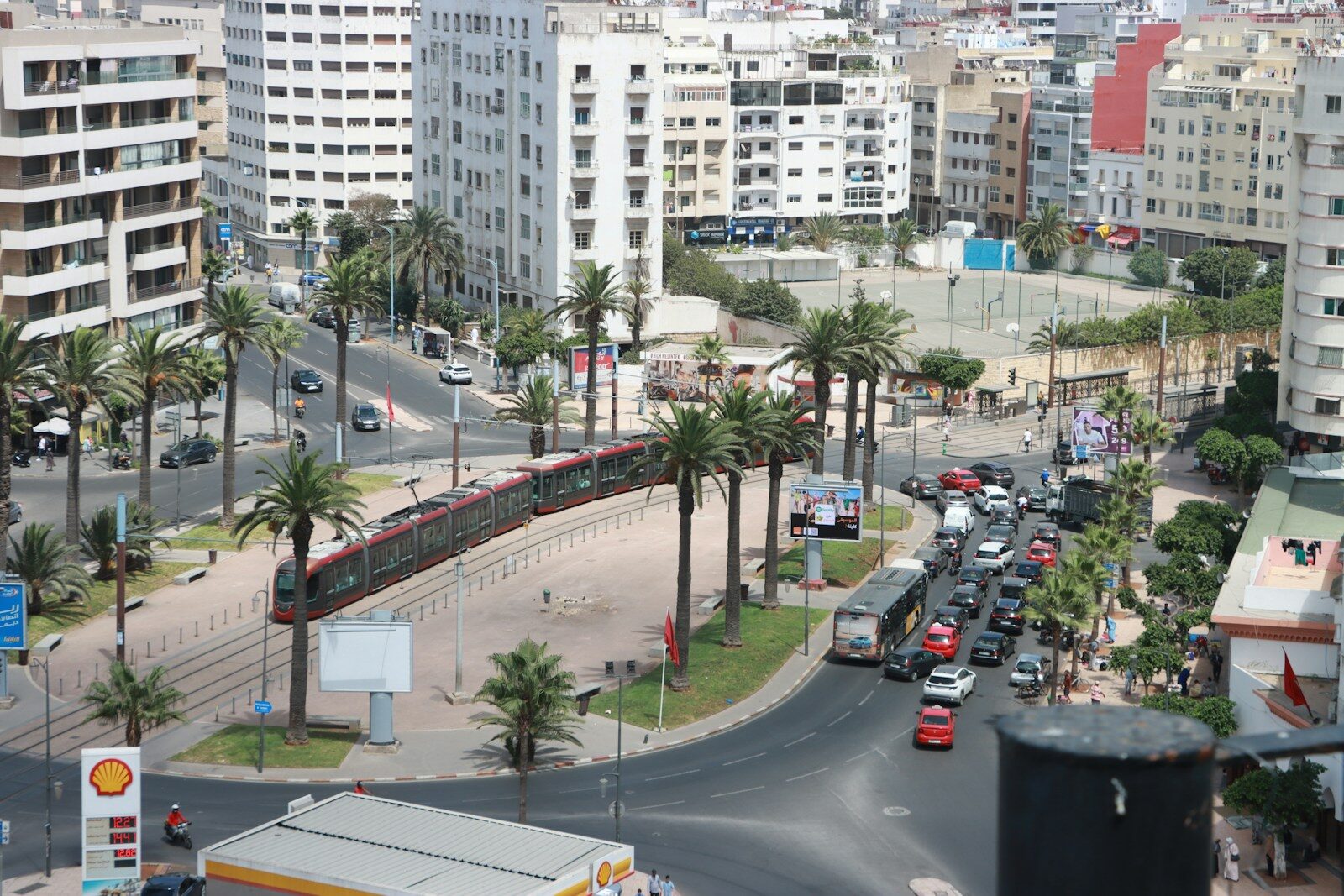
The tramway is clean, air-conditioned and links Casa-Voyageurs, downtown, the Corniche area and many neighborhoods. A single ride costs about 9 MAD, and machines at each stop sell tickets and reusable cards. The busway lines extend the network to outer districts.
Red petit taxis are everywhere and cheap. Insist on the meter, which should start low and tick slowly; most rides in the center cost 15 to 40 MAD. A 50% surcharge applies at night. Ride-hailing apps such as Careem and inDrive operate in the city, which helps if your French or Darija is limited.
Driving yourself in Casablanca is not recommended for a short visit. Traffic is heavy, parking is hard and the airport train plus taxis cover almost every need.
Casablanca Travel Costs: Is Casablanca Expensive?
Casablanca is the most expensive city in Morocco for daily life, but it is still affordable by European or North American standards. On a Casablanca trip you will pay more for hotels and nightlife than in smaller cities, and less for taxis, food and transport than at home.
Typical prices in dirhams
The table below shows typical ranges for Casablanca travel. One US dollar is worth a little over 9 MAD at recent rates, so divide by about nine to get a rough dollar figure.
| Item | Typical price (MAD) | About (USD) |
|---|---|---|
| Airport train to the center | 50 to 70 | 5 to 8 |
| Tram ride | 9 | 1 |
| Petit taxi in the center | 15 to 40 | 2 to 4 |
| Hassan II Mosque tour | about 140 | about 15 |
| Coffee or mint tea in a café | 10 to 25 | 1 to 3 |
| Grilled fish plate at the port | 40 to 80 | 4 to 9 |
| Mid-range restaurant dinner | 150 to 300 | 16 to 33 |
| Dinner at Rick’s Café with a drink | 300 and up | 33 and up |
| Budget hotel double room | 400 to 700 | 45 to 75 |
| Mid-range hotel double room | 900 to 1,600 | 95 to 175 |
| Upscale hotel double room | 2,500 and up | 270 and up |
How far does $100 go in Morocco?
At recent exchange rates, $100 converts to roughly 930 MAD before fees. In Casablanca, that comfortably covers a full day for one traveler on a modest budget: a 500 MAD hotel room, a 140 MAD mosque tour, three meals at local restaurants for around 200 MAD, plus taxis and the tram, with some left over.
Outside the big cities, the same $100 stretches further. In smaller towns or rural areas, it can pay for a guesthouse with dinner and breakfast plus a local guide. In luxury riads in Marrakech, it may cover only part of a night.
Money tips
- Carry some cash: small restaurants, taxis and market stalls rarely take cards.
- Use bank ATMs inside branches or malls and cover the keypad.
- The dirham cannot legally leave Morocco, so change back extra cash at the airport with your exchange receipts.
- Tipping is customary: round up taxi fares and leave about 10% in sit-down restaurants.
Is Casablanca Safe to Visit Right Now?
Casablanca travel is safe for most visitors who use big-city common sense. Millions of tourists pass through each year without trouble, and the main sights, the Corniche, downtown and the Habous are busy, well lit and patrolled.
That said, official advisories ask visitors to stay alert. The Canadian government’s Morocco travel advice asks travelers to exercise a high degree of caution because of the threat of terrorism, and the US State Department rates Morocco at Level 2, “exercise increased caution,” for the same reason. Both note that demonstrations occasionally happen in big cities, including Casablanca, mostly near government buildings.
Common problems and how to avoid them
Petty crime is the real day-to-day risk. Pickpocketing and bag snatching happen in crowded markets, on beaches and around transport hubs. Keep your phone out of reach of passing scooters, carry a cross-body bag and leave flashy jewelry at the hotel.
Taxi overcharging is the most common scam. Ask for the meter before the car moves, or agree on a price first if the driver refuses. Unofficial guides may offer to show you the medina or the mosque; politely decline and book the official mosque tour at the ticket office.
Night, women travelers and areas to avoid
After dark, stick to main streets, the Corniche and busy neighborhoods such as Maarif and Gauthier. Avoid empty medina lanes and the deserted port edges at night, and use a taxi or ride-hailing app rather than walking long distances.
Women traveling alone may face comments or unwanted attention, as in other Moroccan cities. Dressing modestly, walking with purpose and ignoring catcalls usually ends it. For a deeper look at risks and advisories, read our Morocco travel safety guide, which covers the 15 mistakes tourists make most often.
Emergency numbers
Save these before you arrive: police 19, Royal Gendarmerie 177 and ambulance or fire 15. The Canadian government also lists 190 for police and 150 for medical help. Casablanca has good private clinics for non-emergencies, and travel insurance with medical cover is strongly recommended.
Casablanca vs Marrakech: Is Casablanca Nicer?
This is one of the most common questions, and the answer depends on what you mean by “nicer.” Marrakech is more beautiful in the traditional sense, with its red walls, riads, gardens and Jemaa el-Fna. Casablanca is more modern, more relaxed with visitors and far better for ocean views and seafood.
| Factor | Casablanca | Marrakech |
|---|---|---|
| Atmosphere | Modern, business city by the ocean | Historic, touristic, intense |
| Medina | Small, calm, local | Huge, lively, famous souks |
| Top sight | Hassan II Mosque | Medina, palaces, gardens |
| Hassle from vendors | Low | Higher |
| Beaches | Yes, on the Atlantic | No |
| Riads | Few | Hundreds |
| Days needed | 1 to 2 | 3 to 4 |
Which should you choose?
For a first trip to Morocco, Marrakech should be on the list, and a Casablanca trip works best as an arrival or departure stop with one or two days of exploring. If you dislike crowds and pressure in markets, you may well enjoy Casablanca more. Many travelers find the two cities complement each other: one shows Morocco’s past, the other its present.
If you have more time, look at our list of things to do in Morocco, which compares cities so you can split your days well.
Best Places in Casablanca to Stay
Choosing the right neighborhood changes your whole Casablanca travel experience. These are the best places in Casablanca to base yourself, depending on your style.
Downtown and Mohammed V Square
The best choice for a short visit. You can walk to the medina, the Central Market and the Art Deco streets, and Casa-Port station is close. Hotels range from simple to international chains, and this is where sightseeing Casablanca takes the fewest steps.
Corniche and Ain Diab
Ideal for ocean views, beach clubs and evenings out. Most upscale resort-style hotels are here, close to the Hassan II Mosque and Morocco Mall. You will need taxis to reach downtown, but the sea breeze and sunsets are worth it.
Maarif and Gauthier
Popular with business travelers and longer stays. These districts have good restaurants, cafés, shops and easy tram or taxi access. They feel local and lively without the tourist trade of the medina.
Near Casa-Voyageurs
Practical for a single night before an early train. The area is busy rather than charming, but it saves time if you are heading to Marrakech or Fes the next morning.
Casablanca Morocco Travel Practical Tips
A few small details make a big difference on a Casablanca trip. These are the points travelers most often wish they had known before arriving.
Language and etiquette
Darija (Moroccan Arabic) and French are the everyday languages, with Amazigh widely spoken. English works in hotels and many restaurants, less so with taxi drivers. A few words of French or Darija, such as “shukran” (thank you), open doors.
Dress is more relaxed than in rural Morocco, but modest clothing is still wise in the medina and essential at the mosque. Ask before photographing people, and never photograph police, military or royal buildings.
Connectivity and apps
Buy a local SIM card from Maroc Telecom, Orange or inwi at the airport or in town, which is cheap and quick with your passport. Download offline maps and a ride-hailing app before you land. Many cafés and hotels offer free wifi.
Entry rules
Many nationalities, including citizens of the US, Canada, the UK and the EU, can enter Morocco without a visa for stays of up to 90 days. Your passport should be valid for at least six months beyond your departure. Always confirm current rules with your government or airline before you travel.
For a full country overview covering regions, transport and how many days you need, see our Morocco travel guide. If you are continuing north, our Tangier tourist attractions guide is a natural next read.
Casablanca Morocco Travel FAQ
Is Casablanca worth visiting for tourists?
Yes. For most Casablanca Morocco travel plans, the city is worth at least one full day for the Hassan II Mosque, the Art Deco downtown, the Habous Quarter and the Corniche. It suits travelers who like architecture, food and modern city life more than those seeking only traditional medinas.
Is Casablanca safe to visit right now?
Generally yes. Tourist areas are busy and patrolled, and most visits pass without incident. Official advisories ask travelers to exercise increased caution because of terrorism risk and to avoid demonstrations, while petty theft and taxi overcharging are the most common everyday problems.
How many days is enough for Casablanca?
One full day covers the main Casablanca Morocco attractions. Two days let you add the Habous, museums and beach time at a relaxed pace. Three days make sense if you include a day trip to Rabat or El Jadida.
Is Casablanca nicer than Marrakech?
It depends on taste. Marrakech is more beautiful and historic, while Casablanca is more modern, calmer for visitors and right on the ocean. Most first-time visitors spend more days in Marrakech and keep their Casablanca trip to one or two days.
Is Casablanca expensive?
Casablanca travel costs more than anywhere else in Morocco, but it is affordable by Western standards. Expect around 400 to 700 MAD for a budget double room, 40 to 80 MAD for a simple seafood lunch and 15 to 40 MAD for a taxi ride in the center.
How far does $100 go in Morocco?
About 930 MAD at recent rates. In Casablanca, that covers a modest day for one person, including a budget hotel, the mosque tour, three local meals and transport. In smaller towns, it stretches further.
Where is Casablanca city located?
The city of Casablanca is located on Morocco’s Atlantic coast, about 90 km southwest of Rabat and roughly 240 km north of Marrakech. Its international airport sits about 30 km south of the center.
What are the best places in Casablanca for a first visit?
Start with the Hassan II Mosque, the Old Medina, Mohammed V Square and the Art Deco streets, the Central Market, the Habous Quarter and the Corniche at sunset. These cover the city’s history, food and coastline in one or two days.
What are the best things to do in Casablanca in one day?
Take the morning Hassan II Mosque tour, walk the Old Medina, eat at the Central Market, explore the Art Deco downtown and end on the Corniche at sunset. That is the classic one-day Casablanca trip, and it fits most layovers.
Plan Your Casablanca Morocco Travel With Confidence
Casablanca rarely tops a Morocco wish list, and that is its quiet advantage. It gives you a world-class mosque without the crowds of a single famous square, a downtown full of architecture most visitors never notice and an ocean promenade where you can end the day with grilled fish and an Atlantic sunset.
Good Casablanca Morocco travel comes down to a few smart choices. Take the airport train, book the mosque tour early in the day, walk the Art Deco streets in the morning light and save the Corniche for the evening. Give the city at least one full day, two if you can, and keep the meter running in every taxi.
Your next step is simple: check your arrival time, then pick the one-day or two-day plan above and fit it around your flight. From there, Rabat, Marrakech and the rest of Morocco are only a train ride away.
If you would like a ready-made route that includes Casablanca, browse our itinerary and city guides, and keep this page bookmarked for your Casablanca trip. Casa is the Morocco of today, and it deserves more than a transfer.