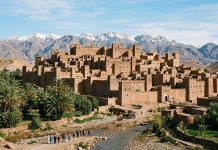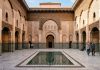

Moroccan cuisine is one of the world’s great culinary traditions, developed through centuries of cultural exchange among indigenous Amazigh populations, Andalusian Arabs, Sephardic Jewish communities, and Mediterranean traders. The food is neither excessively spicy nor difficult for international visitors to enjoy; rather, it relies on slow braising, complex aromatic spice blends, and the masterful pairing of savory meats with sweet fruits and dried nuts.
Whether dining on slow-simmered lamb in an imperial riad or ordering charcoal-grilled skewers from a medina stall, navigating Moroccan dining culture becomes infinitely more rewarding when you understand the foundational dishes, street eating rules, and table etiquette.
The Foundations of Moroccan Cooking
Traditional Moroccan cuisine centers around several distinct cooking techniques and seasonal flavor profiles:
- The Tagine: Both a conical clay cooking vessel and the stew prepared inside it. The cone-shaped lid traps steam, condensing moisture and returning it to the bottom, allowing tough cuts of beef, lamb, goat, or poultry to braise into melting tenderness with minimal added liquid.
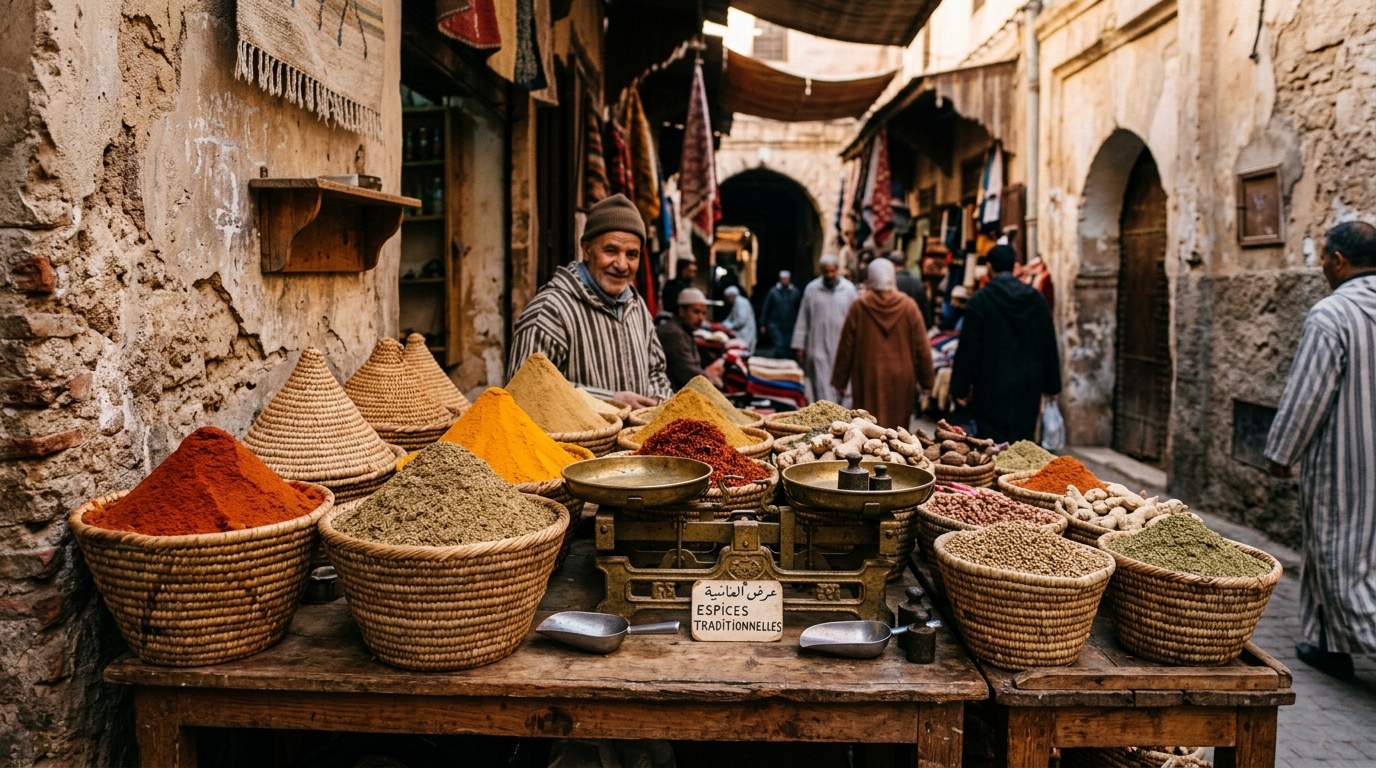
- Aromatic Spices: Moroccan seasoning centers on cumin, sweet paprika, ground ginger, turmeric, coriander seeds, and saffron threads. The complex mixture known as Ras el Hanout (“head of the shop”) combines between 12 and 30 distinct spices, including cardamom, mace, nutmeg, and allspice. Contrary to common misconceptions, Moroccan food is deeply aromatic but rarely fiery hot; spicy heat is added at the table using harissa (a red chili and garlic paste).
- Preserved Lemons (L’hamad Mrakad): Salt-cured lemons aged for months in glass jars until the rinds soften into silky, umami-rich seasonings that provide the essential citrus backbone of chicken and fish tagines.
- Sweet & Savory Pairing: Moroccan cooking frequently contrasts savory meats with sweet elements: beef tagine with prunes and toasted almonds, chicken pastilla dusted with cinnamon and powdered sugar, or couscous crowned with caramelized onions and raisins (tfaya).
Must-Try Core Moroccan Dishes
1. Classic Tagines
Available in virtually every restaurant and roadside diner across the country:
- Chicken with Preserved Lemon & Olives (Tajine de Poulet): The most popular household dish in Morocco. Bone-in chicken simmered in an aromatic broth of saffron, ginger, garlic, and onions, finished with tart preserved lemon rind and briny purple or green olives.
- Beef or Lamb with Prunes (Tajine de Veau aux Pruneaux): Tender meat slow-cooked with cinnamon and ginger, topped with honey-caramelized prunes, sesame seeds, and golden fried almonds.
- Kefta Tagine with Eggs: Ground beef or lamb seasoned with cumin, coriander, and paprika, rolled into small meatballs and simmered in a zesty garlic-tomato sauce, topped with cracked eggs that gently poach in the bubbling sauce before serving.
2. Couscous (The Friday Sacred Tradition)
In Morocco, couscous is not a quick microwave side dish; it is a sacred culinary institution traditionally served on Fridays following midday congregational prayers. Hand-rolled semolina grains are steamed three consecutive times in a perforated vessel (keskas) positioned above a simmering pot of spiced broth, meat, and root vegetables.
The finished grains are fluffed with smen (aged fermented butter), piled high onto a massive communal ceramic platter, and crowned with beef or chicken and seven vegetables (typically carrots, zucchini, pumpkin, turnips, cabbage, chickpeas, and sweet potatoes). Restaurants often offer couscous exclusively on Fridays, so plan your weekly dining schedule accordingly.
3. Pastilla (Bastilla): The Savory-Sweet Masterpiece
Originating in the imperial city of Fes, pastilla is a sophisticated celebratory pie. Layers of paper-thin, crispy pastry dough (warka) are filled with slow-cooked shredded chicken (or traditionally, squab pigeon) seasoned with saffron and ginger, a layer of egg custard, and a crunchy filling of roasted crushed almonds, orange flower water, and sugar. The baked pie is dusted with confectioners’ sugar and decorative geometric lines of ground cinnamon.
4. Tanjia Marrakchia: The Bachelor’s Clay Pot
Unique to Marrakech, tanjia is a meat lover’s dish with nomadic origins. Cuts of beef or lamb shank are placed inside an earthenware amphora jug along with smen, garlic, cumin, saffron, preserved lemon, and olive oil. The jug is sealed with parchment and string, then taken to the neighborhood fernatchi (the wood-burning furnace that heats the local community hammam). The jug is buried in the deep hot ash pits and slow-cooked for 6 to 8 hours until the meat collapses into a rich, gelatinous stew.
5. Harira & Bissara: The Nourishing Medina Soups
- Harira: Morocco’s national soup, made from a rich tomato base packed with lentils, chickpeas, diced lamb or beef, celery, fresh herbs, and vermicelli noodles. Traditionally eaten to break the daily fast during Ramadan, it is served year-round in medinas with boiled eggs, dates, and sweet chebakia pastries (5 to 15 MAD per bowl).
- Bissara: A thick, velvety soup made from dried fava beans (or green split peas) puréed with garlic and served steaming hot, liberally drizzled with rich Moroccan olive oil, ground cumin, and red chili flakes (10 to 15 MAD per bowl). It is the quintessential winter breakfast fuel for medina laborers.
The Moroccan Breakfast Tradition
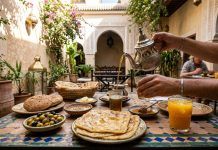
A typical Moroccan morning meal is hearty, bread-centric, and served with freshly brewed mint tea or café au lait:
- Msemmen: Square, laminated, flaky flatbread cooked on a hot griddle, similar to Indian paratha. Served warm with butter and honey or laughing cow cheese (La Vache Qui Rit).
- Baghrir: Spongy semolina yeast pancakes characterized by hundreds of tiny air holes on the surface (often translated as “thousand-hole pancakes”), designed to absorb warm honey-butter sauce.
- Harcha: Pan-fried round semolina bread with a dense, crumbly texture, perfect for spreading with soft white goat cheese or olive tapenade.
- Amlou: A luxurious Berber spread originating in the Souss Valley, made by grinding roasted almonds with pure culinary argan oil and wildflower honey.
Street Food Rules: Eating Safely in the Medina
Medina street food is fresh, affordable, and safe when you follow basic local dining principles:
- Choose High-Turnover Stalls: Always patronize stalls surrounded by local Moroccan families and workers. Rapid turnover ensures ingredients are delivered fresh daily and meats do not sit unrefrigerated.
- Eat Hot & Freshly Cooked: Stick to foods prepared to order over hot charcoal or boiling oil: sizzling skewers of spiced beef (brochettes), merguez sausages, and fried spiced potato fritters (ma’kouda). Avoid precut vegetable salads that have been sitting exposed to room temperature air.
- Drink Bottled or Filtered Water: Tap water in Moroccan cities is treated, but differing mineral profiles can upset foreign stomachs. Stick to sealed bottled water (such as Sidi Ali or Ain Saiss) and avoid ice cubes in open market stalls.
- Peel Your Fruit: Enjoy Morocco’s phenomenal seasonal produce—clementines, melons, figs, and pomegranates—by purchasing whole fruit and peeling it yourself.
Dining Etiquette in Morocco
- The Right Hand: When eating from a communal tagine or couscous platter, use your right hand only. The left hand is traditionally reserved for personal hygiene.
- Bread as an Utensil: Traditional meals are eaten using pieces of crusty round bread (khobz) held between thumb and two fingers to scoop up meat, vegetables, and savory sauce.
- Respect the Center: When sharing a communal tagine, eat exclusively from the triangular wedge directly in front of you. Do not reach across the dish to claim choice pieces of meat; hosts will frequently push prime cuts toward guests as a gesture of hospitality.
- Tipping (Pourboire): Tipping is customary. In casual cafes and street food stalls, round up the bill or leave 2 to 5 MAD. In sit-down casual restaurants, leave 10% of the total bill. In fine dining riads, leave 10% to 15%.
For a detailed breakdown of daily meal costs and realistic restaurant pricing, check our guide on how much a trip to Morocco costs and our guide to things to do in Marrakech.