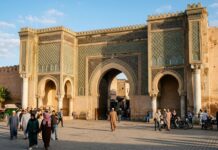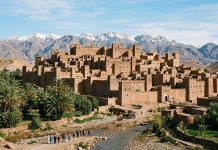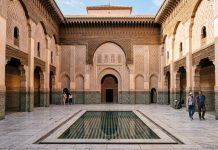

Renting a car and embarking on a road trip offers unparalleled freedom in Morocco. While trains connect major northern cities seamlessly, rural areas—including the High Atlas mountain passes, southern valleys of the Draa and Dades, the Sahara fringe, and Atlantic coastal surf villages—require private wheels to explore thoroughly.
Contrary to common anxieties, driving in Morocco is generally safe, scenic, and well-managed, provided you understand the local rules of the road, highway toll systems, and how to conduct yourself at regular police checkpoints.
Rental Car Requirements & What to Check
To rent a vehicle in Morocco, you will need:
- A valid national driver’s license held for at least one full year (an International Driving Permit is recommended alongside your home license, though international agencies often accept standard European, UK, or US licenses).
- A valid passport.
- A major credit card (Visa or Mastercard) in the primary driver’s name for the security deposit. Caution: Rental agencies typically block a security deposit of 10,000 to 15,000 MAD ($1,000 to $1,500 USD) on your credit card. Ensure your card’s credit limit can accommodate this hold.
Inspection Protocol Before Leaving the Lot
Before driving away from the airport or agency depot, record a continuous, slow video on your smartphone circling the entire vehicle in bright light. Film every pre-existing scratch, wheel rim scrape, windshield chip, and bumper indentation, and ensure the agent notes every blemish on the paper rental agreement contract.
Road Infrastructure & Highway Speed Limits
Morocco has invested heavily in modern transportation infrastructure over the past two decades:
- Autoroutes (Toll Motorways): Managed by Autoroutes du Maroc (ADM), the toll motorway system links Tangier, Rabat, Casablanca, Marrakech, Agadir, Fes, and Oujda. Surfaces are immaculate, multi-lane, and grade-separated. Speed limit: 120 km/h (75 mph).
- Routes Nationales (National Two-Lane Highways): Well-paved, single-lane roads connecting regional centers like Ouarzazate, Tinghir, and Chefchaouen. Speed limit: 100 km/h (62 mph).
- Urban Zones & Villages: Speed limit: 60 km/h (37 mph) or 40 km/h near pedestrian crossings and school zones.
Toll Booths (Péage) & The Jawaz Pass
Toll stations on autoroutes are clearly marked. Unless your rental car comes equipped with an automated electronic RFID toll tag (Jawaz), do not enter the lanes marked with the orange Jawaz logo. Instead, enter lanes marked with cash icons or green arrows, take a paper ticket from the dispenser at the entry barrier, and present it with cash (dirhams) at the exit toll plaza.
Navigating High Mountain Passes
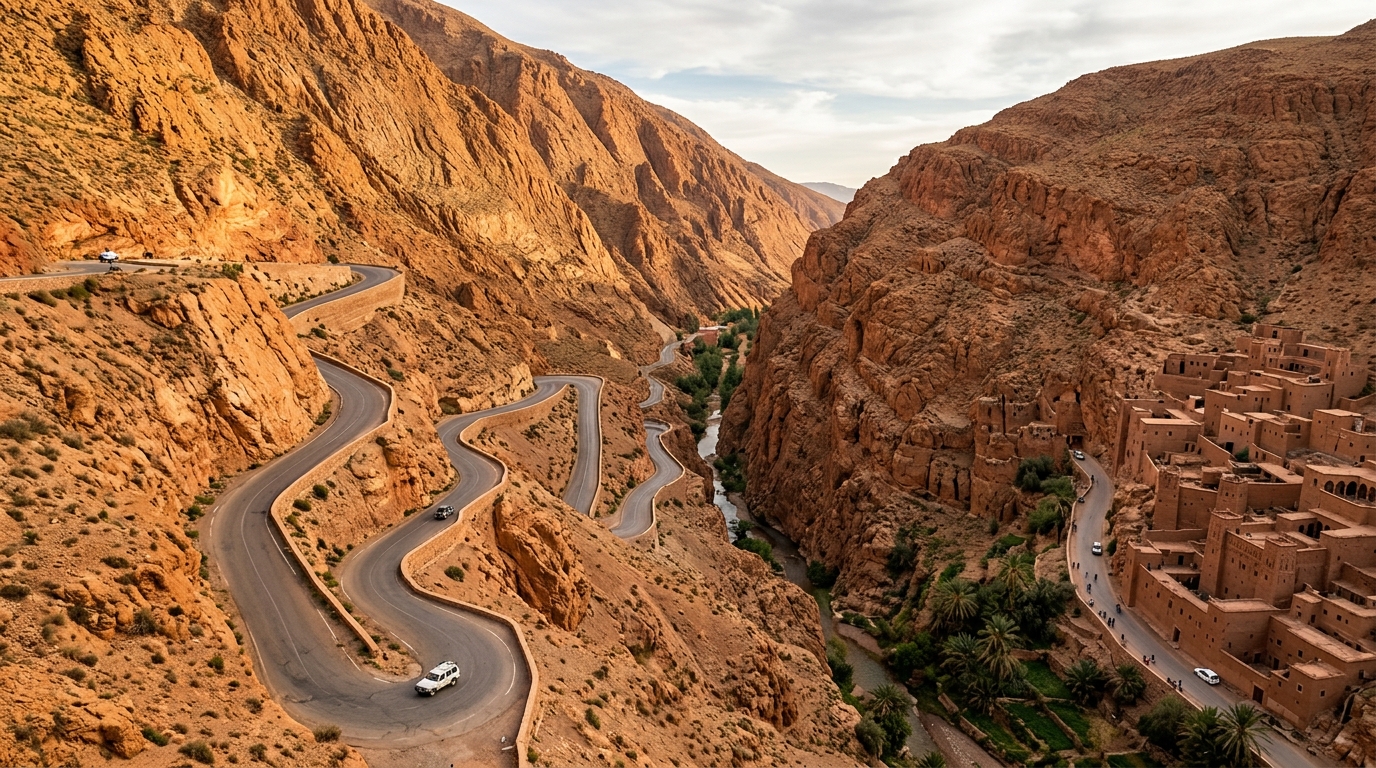
Crossing the High Atlas via passes like Tizi n’Tichka (2,260m on the N9 between Marrakech and Ouarzazate) or Tizi n’Test (2,093m on the R203) requires alert driving:
- Expect slow-moving, heavily loaded commercial trucks climbing on steep inclines. Exercise extreme patience and only pass when forward visibility is completely unobstructed on straightaways.
- Never overtake vehicles on blind curves or across solid white center lines.
- In winter (December to February), mountain passes can experience snow and ice. The Moroccan highway authority maintains snowplow fleets, but chains or temporary pass closures can occur during severe winter storms.
Police & Gendarmerie Checkpoints: How They Work
One of the most unfamiliar aspects of Moroccan driving for first-time visitors is the presence of routine security checkpoints. Checkpoints are manned by the Sûreté Nationale (local city police inside municipal boundaries) and the Gendarmerie Royale (national military police patrolling rural highways):
Proper Protocol at Checkpoints:
- Slow Down in Advance: When you see flashing beacons or road signs reading Halte Police or Halte Gendarmerie, slow down immediately to walking speed.
- Stop at the White Line: Come to a complete stop before the stop sign or tire spike strip. Do not drive past the officer without permission.
- Wait for the Wave: Keep your hands on the steering wheel and wait. In the vast majority of cases, the officer will see that you are a foreign tourist and wave you through with a polite nod or “Bienvenue au Maroc.”
- If Flagged Over: Roll down your window, greet the officer politely (“Bonjour” or “Salam Alaykum”), and provide your driver’s license, vehicle registration papers (carte grise), and rental contract from the glove compartment upon request.
Speed Radar Traps & Official Fines
Moroccan police actively operate handheld radar speed guns just inside village boundaries where the speed limit drops abruptly from 100 km/h to 60 km/h. If you are stopped for speeding, remaining respectful and calm is paramount:
- Minor Infractions (up to 20 km/h over limit): Official fine is 150 MAD (~$15 USD).
- Moderate Infractions (20 to 30 km/h over limit): Official fine is 300 MAD (~$30 USD).
- Major Infractions (30 to 50 km/h over limit): Official fine is 400 MAD (~$40 USD).
- Payment Protocol: Always pay on the spot directly to the officer and insist on receiving an official printed payment receipt (quittance). Do not offer informal cash bribes.
Fuel Stations & Medina Parking Protocol
- Gas Stations: Major fuel brands include Afriquia, Shell, and Total. Fuel is pumped by station attendants. State whether you need Essence (unleaded petrol) or Gazole (diesel). It is customary to tip the attendant 2 to 5 MAD, especially if they clean your windshield or check tire pressure.
- Medina Parking Guardians: Historic medinas are pedestrian-only zones. You must park your vehicle in designated guarded lots (parking gardé) outside city gates. These lots are managed by official parking guardians (gardiens de voitures) wearing bright yellow or blue fluorescent vests. Standard rates are 5 to 10 MAD for daytime parking and 10 to 20 MAD for overnight parking. Always pay when you return to collect your car, not in advance.
To plan your ultimate driving route from the imperial cities to the dunes, follow our step-by-step Marrakech to Merzouga road trip guide and read our overview on 10-day Morocco travel itineraries.