Imagine waking up to the call to prayer drifting over a Marrakech rooftop, spending the afternoon on an Atlantic beach in Agadir, and falling asleep under a sky so full of stars in the Sahara that it barely looks real. All of that fits into one week, and all of it is about a three-hour flight from much of Europe. That is why Morocco holidays have become some of the most searched-for trips on the planet.
Morocco is no longer a niche or “adventurous” choice. In 2025 the country welcomed a record 19.8 million visitors, making it Africa’s most visited destination, and 2026 is on track to beat that again. Yet many first-time visitors still arrive unsure what to expect. Is it a beach destination or a cultural one? Is it suitable for families? Is all-inclusive a good idea, or does it mean missing the real Morocco? When is too hot, and when is too cold?
This guide answers all of it. We live and work in Morocco, and we have helped thousands of readers plan their trips. Below you will find:
- The best places for Morocco holidays, from imperial cities to surf towns
- Every type of holiday explained: beach, city break, family, all-inclusive, adventure, luxury and budget
- Morocco holiday packages vs independent travel, and when each makes sense
- The best time for Morocco holidays, month by month
- Realistic costs, where to stay, how to get there and how to get around
- Ready-made 7, 10 and 14-day holiday plans
- A practical FAQ on safety, dress, money and food
Whether you want a lazy week by the pool or a road trip from the mountains to the dunes, by the end you will know exactly how to plan the Morocco holiday that suits you.
Why Choose Morocco for Your Next Holiday?
Few countries pack as much variety into a single trip. Morocco offers four very different landscapes within a day’s drive of each other: the Atlantic and Mediterranean coasts, the snow-capped Atlas mountains, ancient imperial cities and the Sahara desert.
It is closer than it feels
Morocco sits just 14 km from Spain across the Strait of Gibraltar. Direct flights from London, Paris, Madrid, Brussels, Amsterdam, Frankfurt and many other European cities take roughly two to four hours. There are also direct flights from North America and the Middle East to Casablanca and, increasingly, Marrakech. That makes Morocco one of the easiest exotic holidays you can take, even for a long weekend.
Sunshine almost all year
Agadir, on the southern Atlantic coast, is often promoted as having around 300 days of sunshine a year. Even in December and January, daytime temperatures along the south coast and in Marrakech are usually mild enough to sit outside. This is why Morocco has become a favourite winter-sun destination for European travelers.
A culture you can feel
Morocco holidays are about more than sightseeing. They are about sharing mint tea with a carpet seller, eating tagine cooked over charcoal, hearing Gnaoua musicians in a square at dusk, and getting gloriously lost in a thousand-year-old medina. The country blends Amazigh (Berber), Arab, African, Andalusian and French influences in a way you will not find anywhere else.
Great value for money
Compared with many Mediterranean destinations, Morocco offers excellent value. Beautiful riads, delicious food and private guides cost noticeably less than in southern Europe, and even luxury hotels often come in below the price of equivalent stays in Spain, France or Italy.
Better connected than ever
Morocco has invested heavily in infrastructure ahead of hosting the Africa Cup of Nations (December 2025 to January 2026) and co-hosting the 2030 FIFA World Cup with Spain and Portugal. New flight routes, upgraded airports, modern highways and Africa’s first high-speed train, Al Boraq, between Tangier and Casablanca, all make getting around easier than ever.
The Best Places for Morocco Holidays
Where you base your Morocco holiday shapes everything else. Here are the destinations our readers love most, and who each one suits.
Marrakech: the classic first stop
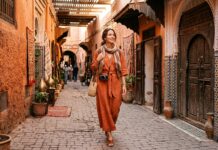
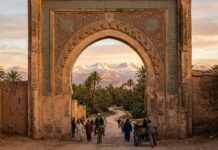
The Red City is the heart of most Morocco holidays. Its medina is a maze of souks selling lanterns, spices, leather and rugs, all centred on Jemaa el-Fnaa, the famous square that transforms at night into an open-air food market and stage for storytellers and musicians.
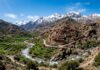
Beyond the medina, you will find the Majorelle Garden and the Yves Saint Laurent Museum, the Bahia Palace, the Saadian Tombs and the Koutoubia Mosque. Modern Marrakech offers chic restaurants, rooftop bars and some of the finest hotels in Africa. Within an hour or two you can reach the Atlas mountains, the Ourika Valley or the Agafay “stone desert”.
Best for: first-timers, couples, city breaks, luxury, and as a base for day trips.
Agadir: Morocco’s beach resort
If your idea of a holiday includes a sun lounger, Agadir is the place. Rebuilt after the 1960 earthquake, it is a modern, relaxed city with a long sandy bay, a palm-lined promenade, large resort hotels and plenty of all-inclusive options. It is ideal for families and winter-sun seekers, and makes a good base for day trips to Paradise Valley, the Souss-Massa National Park and the surf village of Taghazout.
Best for: beach holidays, families, all-inclusive, winter sun.
Fes: the cultural heart
Fes el-Bali is one of the largest car-free urban areas in the world and a UNESCO World Heritage Site. This is Morocco at its most authentic: donkeys carrying goods through narrow lanes, craftsmen working copper and leather as they have for centuries, and the famous Chouara tanneries with their honeycomb of dye pits. Fes is also home to the University of al-Qarawiyyin, founded in 859 and often described as the oldest continuously operating university in the world.
Best for: history lovers, culture, architecture, photographers.
Essaouira: the laid-back coast
A walled, whitewashed port town on the Atlantic, Essaouira has a breezy, artistic atmosphere that feels a world away from Marrakech’s buzz. Wander the UNESCO-listed medina, watch the blue fishing boats come in, eat grilled sardines at the port and try windsurfing or kitesurfing on the long beach. It is about two and a half to three hours from Marrakech and pairs perfectly with a city stay.
Best for: couples, artists, slow travel, watersports.
Chefchaouen: the blue pearl
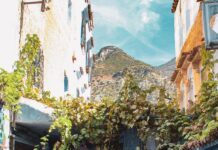
Tucked into the Rif mountains, Chefchaouen is famous for its blue-washed walls and staircases. It is small, peaceful and endlessly photogenic, with easy hiking in the surrounding hills. Most visitors combine it with Fes or Tangier.
Best for: photographers, relaxed short stays, hikers.
The Sahara: Merzouga and Zagora
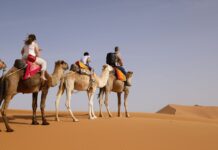
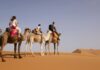
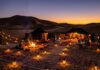
No list of Morocco holidays is complete without the desert. The towering orange dunes of Erg Chebbi near Merzouga are the most dramatic, while Zagora is closer to Marrakech but has smaller dunes. A night in a desert camp, arriving by camel at sunset, is one of the most memorable experiences in the country. Read our Morocco desert tour guide for all the options.
Best for: adventure, bucket-list moments, stargazing.
Taghazout: surf and yoga
Just north of Agadir, this former fishing village is now one of Morocco’s best-known surf destinations, with breaks for beginners and experts, surf camps, yoga retreats and a relaxed, international vibe.
Best for: surfers, digital nomads, wellness holidays.
Tangier and the north
Tangier, gateway between Africa and Europe, has a storied literary past, a revitalised waterfront and fast train links to Rabat and Casablanca. From here you can explore Tetouan’s white medina, Asilah’s murals and the Mediterranean coast.
Best for: history buffs, combining Spain and Morocco, rail travel.
Rabat and Casablanca
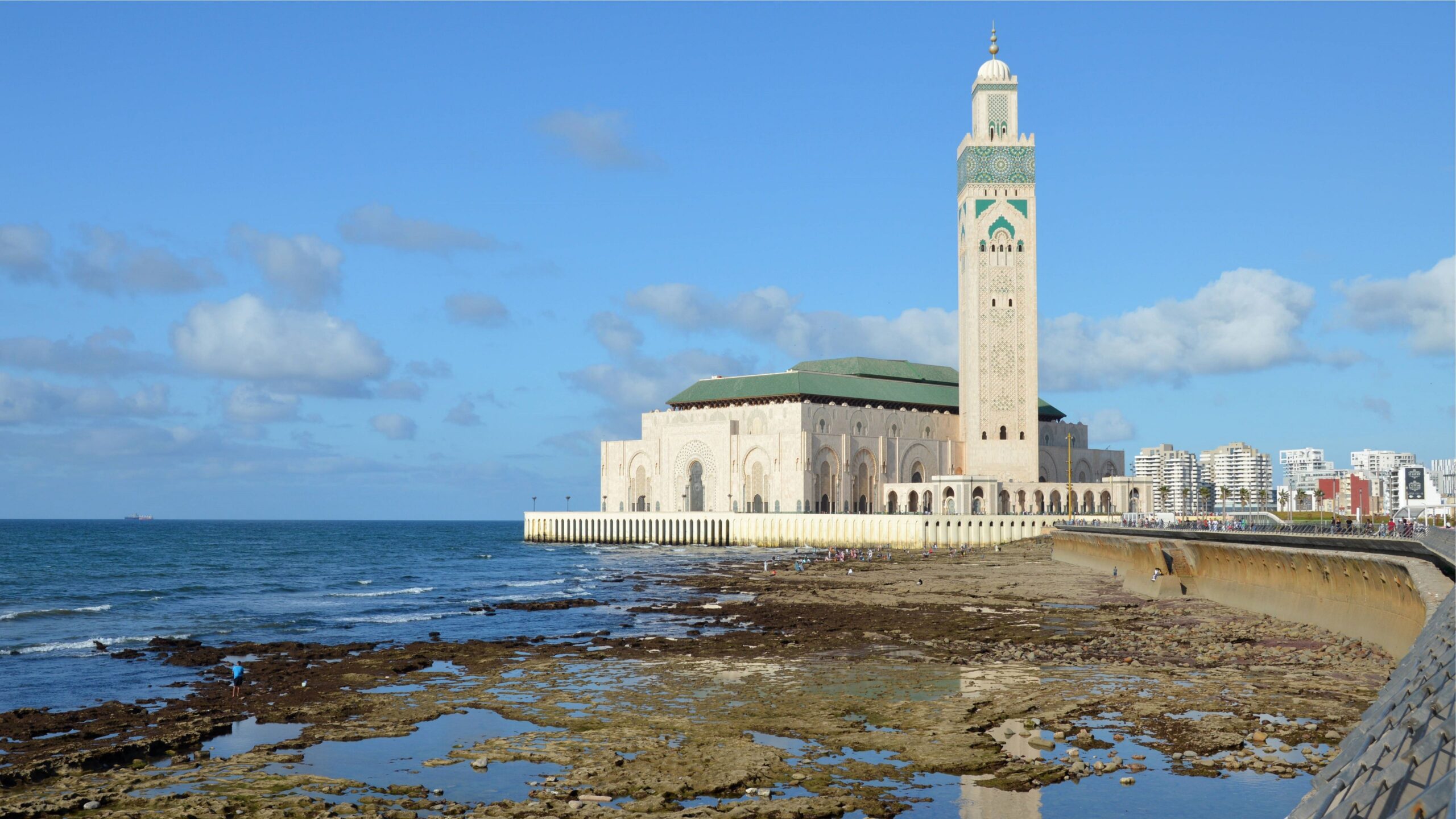
The capital, Rabat, is clean, green and calm, with the Kasbah of the Oudayas, the Hassan Tower and a lovely riverside. Casablanca is Morocco’s economic powerhouse and home to the vast Hassan II Mosque, one of the few mosques in Morocco open to non-Muslim visitors on guided tours. See our Rabat travel guide for more.
Best for: city breaks, architecture, a relaxed introduction to Morocco.
Dakhla: the far south
Far down the Atlantic coast, Dakhla sits on a vast lagoon that has become one of the world’s top kitesurfing spots. It is remote and windy, and that is exactly the point.
Best for: kitesurfers, nature lovers, escaping the crowds.
Types of Morocco Holidays: Which One Is Right for You?
The beauty of Morocco is that it suits almost any travel style. Here is how the main types of Morocco holidays compare.
| Holiday type | Typical length | Best base | Ideal for |
|---|---|---|---|
| Beach holiday | 7 to 14 nights | Agadir, Taghazout, Saïdia, Essaouira | Families, sun seekers, relaxation |
| City break | 3 to 5 nights | Marrakech, Fes, Tangier | Couples, first-timers, short trips |
| All-inclusive | 7 to 14 nights | Agadir, Marrakech, Saïdia | Families, stress-free budgeting |
| Multi-centre or touring | 7 to 14 nights | Marrakech plus Fes, desert, coast | Explorers, first-time visitors |
| Adventure | 5 to 14 nights | Atlas, Sahara, Taghazout | Hikers, surfers, active travelers |
| Luxury | Any | Marrakech, Atlas, desert camps | Honeymooners, special occasions |
| Budget | Any | Marrakech, Essaouira, Chefchaouen | Backpackers, students, solo travelers |
Beach holidays in Morocco
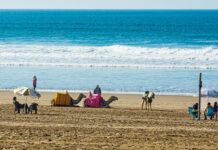
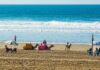
Morocco has more than 3,500 km of coastline on the Atlantic and Mediterranean. Agadir is the classic resort, with a safe, sandy bay and a big choice of hotels. Taghazout offers surf culture, Essaouira a breezy medina by the sea, and Saïdia, on the Mediterranean near the Algerian border, calm warm water in summer. Keep in mind that Atlantic water stays fairly cool year round, often around 17°C to 22°C, so a heated hotel pool is a welcome extra outside summer.
City breaks
A long weekend in Marrakech is one of Europe’s favourite short escapes. With three or four nights you can explore the medina and souks, visit the main palaces and gardens, enjoy a hammam, take a cooking class and still have time for a day trip to the Atlas mountains. Fes and Tangier also make excellent city breaks, especially for travelers who want something less touristy.
All-inclusive Morocco holidays
All-inclusive Morocco holidays are mostly found in Agadir, the Marrakech Palmeraie and Saïdia. They are a great choice for families who want predictable costs, kids’ clubs and pools. The trade-off is that you can miss the food and street life that make Morocco special. Our advice: go all-inclusive if you want, but plan at least two or three excursions, such as a souk visit, a day in Essaouira or a trip to Paradise Valley, so you experience the real country.
Multi-centre and touring holidays
Combining two or three bases is the best way to see Morocco’s variety. A classic pairing is Marrakech plus Essaouira, or Marrakech plus Agadir. More ambitious trips add Fes and a night in the Sahara. If you would rather leave the logistics to experts, read our full guide to Morocco tours, which compares private, luxury and small-group options.
Adventure holidays
Morocco is a playground for active travelers. You can trek to the summit of Mount Toubkal (4,167 m), North Africa’s highest peak, hike the M’Goun valleys, surf in Taghazout, kitesurf in Dakhla, mountain bike in the Atlas, take a hot-air balloon over the Marrakech plains or ride quad bikes in the Agafay desert. Spring and autumn are the best seasons for most outdoor activities.
Luxury Morocco holidays
Morocco is one of the world’s great luxury destinations. Think palace hotels set in vast gardens, intimate riads with private plunge pools, Atlas mountain retreats with snow-capped views and premium desert camps with en-suite tents. Private guides, chauffeured cars and exclusive experiences, such as dinner in a private home or a balloon flight at sunrise, complete the picture.
Budget Morocco holidays
Morocco can also be very affordable. Charming guesthouses and hostels in the medinas, cheap and delicious street food, and an efficient network of trains and long-distance buses make it easy to travel well on a modest budget. Low-cost airlines regularly offer cheap flights from Europe, especially outside school holidays.
Family Holidays in Morocco
Family holidays in Morocco are easier than many parents expect. Moroccans adore children, and kids are welcomed warmly in restaurants, shops and homes. Here is how to make it work.
Best family destinations
- Agadir: wide safe beach, large resorts with kids’ clubs, the Crocoparc wildlife park and easy flights
- Marrakech: pool hotels in the Palmeraie, camel rides, gardens and the excitement of the souks in small doses
- Essaouira: a compact, traffic-free medina, the port and beach activities
- The Atlas mountains: gentle walks, mule rides and Berber villages within easy reach of Marrakech
Family-friendly activities
- Camel rides at sunset in the Agafay desert or on Essaouira’s beach
- Cooking classes where kids can roll couscous and make bread
- Hot-air balloon flights for older children
- Visiting a Berber family home for tea and fresh bread
- Exploring the colourful Majorelle Garden
Tips for traveling with kids
- Choose a hotel or riad with a pool. It makes hot afternoons easy.
- Keep long drives to a minimum, or break them up with stops.
- Bring sun hats, high-factor sunscreen and refillable water bottles.
- Medina lanes are busy and unsuitable for buggies, so use a baby carrier for little ones.
- Most traditional riads have steep stairs and open courtyards, so check suitability for toddlers before booking.
Morocco Holiday Packages vs Booking Independently
One of the biggest decisions you will make is whether to book a package or plan it yourself.
Morocco holiday packages
Morocco holiday packages bundle flights, transfers and accommodation, and sometimes meals and excursions, into a single price.
Pros:
- One booking and one price, often cheaper than booking separately
- Airport transfers included, which is valuable on arrival in a new country
- Consumer protection in many markets, for example with an ATOL-protected package in the UK
- Ideal for beach and all-inclusive holidays in Agadir and Marrakech
Cons:
- Less flexibility on hotels and dates
- Hotels tend to be larger and less characterful than independent riads
- Fixed-length stays, usually 7 or 14 nights
Booking independently
Pros:
- Total freedom to choose boutique riads, unusual routes and exact dates
- Easier to combine several destinations
- Can be cheaper if you are flexible and travel off-peak
Cons:
- More planning time and effort
- You will need to arrange airport transfers and transport between cities
- Less protection if something goes wrong
The middle ground
Many travelers book flights themselves and then use a local operator for a tailor-made itinerary with a private driver, especially for desert trips. This combines flexibility with local expertise. See our Morocco tours guide for how to choose a good operator.
The Best Time for Morocco Holidays
The best time for Morocco holidays depends on where you are going and what you want to do. Morocco’s climate varies dramatically between the coast, the cities, the mountains and the desert.
| Month | Marrakech and inland cities | Coast (Agadir, Essaouira) | Desert | Our verdict |
|---|---|---|---|---|
| January | Mild days, cold nights | Mild and sunny | Very cold at night | Great for winter sun on the coast |
| February | Mild, almond blossom | Mild and sunny | Cold nights | Good value, quieter sights |
| March | Warm and pleasant | Warm | Pleasant | Excellent all round |
| April | Warm, green and blooming | Warm | Ideal | One of the best months |
| May | Warm to hot | Warm | Getting hot | Excellent, Rose Festival |
| June | Hot | Pleasant | Very hot | Best for the coast |
| July | Very hot, often above 38°C | Pleasant, breezy | Extremely hot | Coast and mountains only |
| August | Very hot | Pleasant, busy | Extremely hot | Coast and mountains only |
| September | Hot, cooling late month | Warm | Hot early, better late | Good, especially late September |
| October | Warm and settled | Warm | Ideal | One of the best months |
| November | Mild | Mild and sunny | Pleasant days, cool nights | Excellent, fewer crowds |
| December | Mild days, cold nights | Mild | Cold nights | Winter sun, festive breaks |
Best time for different holidays
- Sightseeing and multi-centre trips: March to May and late September to November
- Beach holidays: June to September for the warmest weather, or October to April for winter sun on the south coast
- Desert trips: March to May and October to November
- Trekking in the Atlas: April to June and September to October
- Cheapest prices: January, February and November, outside school and festive holidays
For more on traveling in the cooler months, see our guide to Morocco in winter.
Ramadan and public holidays
During Ramadan, which in 2027 is expected to fall roughly from early February to early March, many Moroccans fast from sunrise to sunset. Hotels, sites and tourist restaurants stay open, and evenings take on a festive atmosphere. Simply avoid eating or drinking openly in the street during the day. Also note that dates for religious holidays shift each year, so check before you book.
How Much Do Morocco Holidays Cost?
Morocco suits every budget. Here are typical daily costs per person, excluding international flights.
| Budget level | Daily cost per person | What you get |
|---|---|---|
| Budget | €40 to €70 | Hostels or simple guesthouses, street food, public transport |
| Mid-range | €90 to €180 | Charming riads, restaurant meals, some private transfers and guides |
| Luxury | €300 to €1,000+ | Palace hotels, fine dining, private drivers and guides |
These are approximate ranges and change with season and demand.
Typical prices to help you budget
- Mint tea in a café: usually under €1.50
- Street food meal: around €3 to €6
- Restaurant dinner: around €12 to €30 per person
- Hammam and massage: from about €15 in a local hammam to €80 or more in a luxury spa
- Day trip from Marrakech to the Atlas or Essaouira: roughly €25 to €60 shared, more for private
- Desert trip from Marrakech: from around €100 for a shared 3-day trip, much more for private or luxury camps
What do Morocco holiday packages cost?
A 7-night package to Agadir or Marrakech, including flights, transfers and a 4-star hotel, can range from a few hundred euros per person in low season to well over €1,000 in peak periods like school holidays and Christmas. All-inclusive adds to the cost but removes surprises.
Money-saving tips
- Travel in the shoulder seasons, such as late January, February or November.
- Book flights early, especially for school holidays.
- Eat where locals eat. Food is often better and much cheaper.
- Use trains between major cities.
- Haggle politely in the souks, but agree on a price before accepting any service.
Where to Stay on Your Morocco Holiday
Accommodation can make or break a Morocco holiday, and there are some truly special options.
Riads
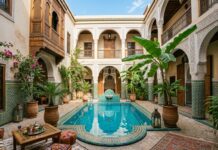
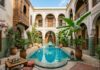
A riad is a traditional house built around an inner courtyard or garden, often with a fountain and a rooftop terrace. Staying in a riad is one of the great pleasures of Morocco holidays. Most are in the medinas of Marrakech, Fes and Essaouira, with anywhere from three to 20 rooms and very personal service. Note that cars cannot reach most riads, so a porter usually collects your bags from the nearest road.
Resort hotels
Modern resort hotels, often with large pools, spas and all-inclusive options, line the beach in Agadir and the Palmeraie in Marrakech. They are ideal for families and pure relaxation.
Kasbahs and mountain lodges
In the Atlas and the valleys of the south, restored kasbahs and eco-lodges offer stunning views, peaceful gardens and a taste of rural life.
Desert camps
From simple Berber tents to luxurious camps with en-suite bathrooms, a night in the dunes is unforgettable. Choose a camp that suits your comfort level, especially in winter, when nights can drop close to freezing.
Choosing the right area in Marrakech
- Medina: atmospheric, walkable to the main sights, mostly riads
- Gueliz and Hivernage: modern, with restaurants, bars and larger hotels
- Palmeraie: peaceful resorts and villas with big pools, about 20 minutes from the centre
- Agafay and the Atlas foothills: remote lodges and camps for a quieter stay
Getting to Morocco and Getting Around
Flights
Morocco’s main international airports are Marrakech Menara (RAK), Casablanca Mohammed V (CMN), Agadir Al Massira (AGA), Fes Saïss (FEZ), Tangier Ibn Battouta (TNG) and Rabat-Salé (RBA). Royal Air Maroc is the national carrier, and many low-cost airlines fly from across Europe. Typical flight times are about three and a half hours from London to Marrakech and around three hours from Paris.
By ferry
Ferries cross from southern Spain to Tangier Med and Tangier Ville in as little as an hour or so. This is a popular way to combine Andalusia and northern Morocco, or to bring your own car.
Trains
ONCF runs a comfortable rail network linking Tangier, Rabat, Casablanca, Fes, Meknes and Marrakech. The high-speed Al Boraq connects Tangier and Casablanca in around two hours. Rail is the easiest way to travel between the big northern and central cities.
Buses
CTM and Supratours run reliable, air-conditioned coaches to most towns not served by rail, including Essaouira, Agadir, Chefchaouen and Ouarzazate.
Car hire
Renting a car gives you freedom, and main highways are good. Mountain roads are slower, and driving in city centres can be stressful. Never try to drive into a medina. Many visitors prefer a private driver for longer routes such as the desert.
Petit taxis and grand taxis
Petit taxis are small city taxis. Insist on the meter, or agree a price before setting off. Grand taxis are shared long-distance taxis between towns, cheap but often crowded.
Sample Morocco Holiday Itineraries
Not sure how to put it all together? Here are three tried-and-tested plans.
7-day Morocco holiday: Marrakech and the coast
- Days 1-3: Marrakech. Explore the medina, Jemaa el-Fnaa, Bahia Palace and Majorelle Garden. Enjoy a hammam and a rooftop dinner.
- Day 4: Atlas mountains day trip. Visit Imlil or the Ourika Valley for a walk and lunch with a Berber family.
- Days 5-7: Essaouira or Agadir. Relax by the sea, eat fresh fish at the port and enjoy a slower pace.
10-day Morocco holiday: cities and desert
- Days 1-3: Marrakech. Souks, palaces, gardens and a cooking class.
- Day 4: Over the Atlas to the Dadès Valley. Stop at Aït Benhaddou on the way.
- Day 5: Merzouga. Camel ride into the dunes and a night in a desert camp.
- Day 6: Desert sunrise and drive to Fes. Cross the Middle Atlas cedar forests.
- Days 7-8: Fes. A guided medina day, the tanneries and a day trip to Volubilis and Meknes.
- Days 9-10: Chefchaouen or Rabat. End with the blue city or a relaxed capital before flying home.
14-day Morocco holiday: the grand tour
- Days 1-2: Tangier and Chefchaouen. Arrive in the north and head into the Rif.
- Days 3-5: Fes. Medina, Meknes and Volubilis.
- Days 6-7: The Sahara. Two nights in Merzouga, including a full day in the dunes.
- Days 8-9: The gorges and Ouarzazate. Todra and Dadès gorges, kasbahs and Aït Benhaddou.
- Days 10-12: Marrakech. City life, gardens and an Atlas excursion.
- Days 13-14: Essaouira. Finish with sea breezes and seafood.
Practical Tips for Morocco Holidays
Entry requirements
Citizens of the UK, the EU, the US, Canada, Australia and many other countries can visit Morocco without a visa for up to 90 days. Your passport should be valid for at least six months beyond your arrival date. Always check your government’s latest travel advice before booking.
Money
The currency is the Moroccan dirham (MAD), which you obtain on arrival from ATMs or exchange desks. Cards are widely accepted in hotels and larger shops, but cash is king in souks, cafés and rural areas.
Dress and etiquette
Morocco is a Muslim country with relaxed but modest norms. Light, loose clothing that covers shoulders and knees is respectful in cities and villages. Swimwear is perfectly normal at beaches and hotel pools. Always ask before photographing people.
Food and drink
Moroccan food is one of the highlights of any trip: tagines, couscous on Fridays, harira soup, pastilla, grilled fish on the coast and endless mint tea. Drink bottled or filtered water, and ease into street food over the first few days. Alcohol is available in licensed hotels, bars and restaurants, mainly in tourist areas.
Language
Moroccan Arabic (Darija) and Amazigh are the main languages, French is widely spoken, and English is increasingly common in tourist areas. A few local words, such as salam (hello) and shukran (thank you), are always appreciated.
Haggling
Bargaining is part of the souk experience. Start at around half the first price, stay friendly, and be ready to walk away. Fixed-price shops and cooperatives are good alternatives if you dislike haggling.
Safety
Morocco is generally a safe holiday destination, and tourist areas are well policed. The most common annoyances are pushy touts and unofficial guides in the medinas. A polite but firm “la, shukran” (no, thank you) usually works. Keep valuables secure in crowded areas, as you would in any busy city.
Morocco Holidays FAQ
Is Morocco good for a holiday?
Yes. Morocco offers beaches, culture, mountains and desert in one country, with great food, warm hospitality and good value. It suits couples, families, solo travelers and groups alike.
How many days do you need for a Morocco holiday?
Three to four days is enough for a Marrakech city break. A week lets you combine Marrakech with the coast or the mountains. Ten to fourteen days is ideal for a full tour including Fes and the Sahara.
What is the best month for Morocco holidays?
April, May and October are the best all-round months, with warm days and comfortable nights almost everywhere. For beach holidays, June to September is warmest, and winter is excellent for sunshine on the southern coast.
Are family holidays in Morocco a good idea?
Absolutely. Children are warmly welcomed, and destinations like Agadir, Marrakech and Essaouira offer pools, beaches, camel rides and gentle adventures. Choose hotels with pools and keep travel days short.
Are all-inclusive Morocco holidays worth it?
They are good value for families and anyone who wants a predictable budget, especially in Agadir. To experience the real Morocco, add a few excursions, such as a day in the souks or a trip to Essaouira.
Is Morocco safe for tourists?
Morocco is generally considered a safe destination and welcomes millions of visitors each year. Take normal precautions with valuables, use licensed guides in the medinas, and check your government’s travel advice before you go.
Can you drink alcohol on holiday in Morocco?
Yes, in licensed hotels, bars and restaurants, especially in Marrakech, Agadir and other tourist areas. It is not served everywhere, and drinking in public places is not acceptable.
What should I wear on holiday in Morocco?
Pack light, breathable clothes that cover shoulders and knees for cities and villages, plus swimwear for the beach and pool. Bring a warm layer for desert and mountain evenings, even in summer.
Do I need a visa for a holiday in Morocco?
Many nationalities, including UK, EU, US, Canadian and Australian citizens, can visit visa-free for up to 90 days. Requirements can change, so always check official advice for your passport.
Is Morocco expensive for a holiday?
Not compared with most of Europe. Budget travelers can manage on around €40 to €70 a day, while mid-range travelers typically spend €90 to €180 a day excluding flights. Luxury options are plentiful for those who want them.
Start Planning Your Morocco Holiday
Morocco holidays reward every kind of traveler. You can spend a week doing nothing but swimming and sunbathing in Agadir, lose yourself in the souks of Marrakech and Fes, trek through Berber villages in the Atlas, or watch the sun rise over the Sahara dunes. Most visitors leave already planning their next trip.
The key is to match the holiday to you: choose the right season, decide between a package and an independent trip, and do not try to see everything in one go. Pick two or three places, give each one time, and let Morocco’s warmth do the rest.
Ready to plan your trip? Explore our destination guides to Agadir, Rabat and the Sahara, compare the best Morocco tours, or contact the Morocco Traveler Guide team. Tell us your dates, interests and budget, and we will help you plan the perfect Morocco holiday.