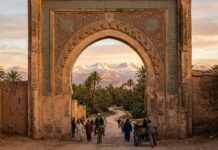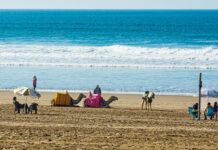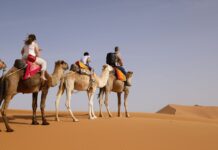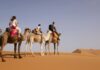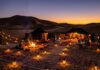
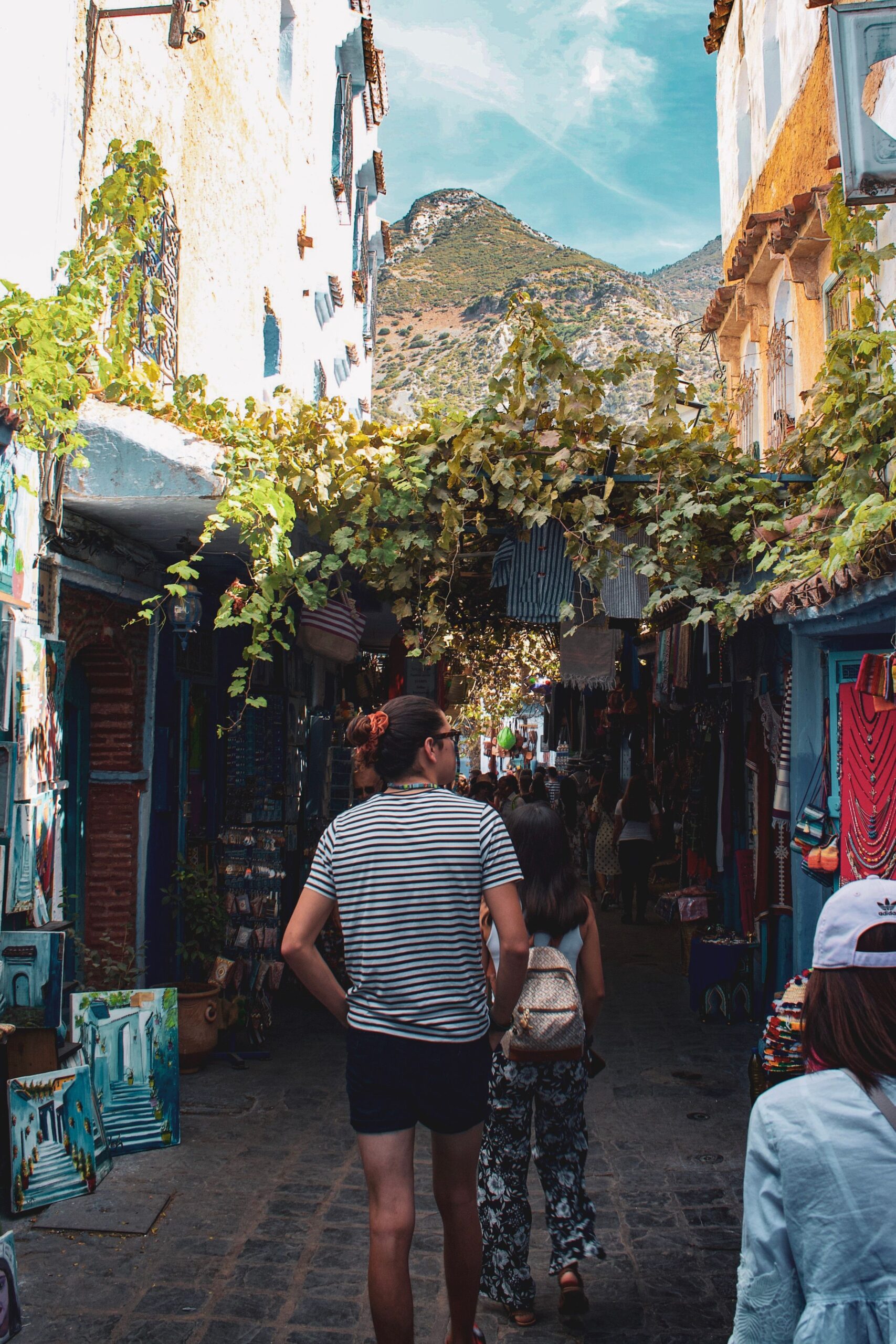
Picture this. It is 6 a.m. in the Sahara. The dunes of Erg Chebbi are still blue in the half-light, your guide is pouring mint tea from a height, and the first orange line of sunrise is creeping over Algeria on the horizon. Twelve hours earlier you were sipping coffee in a riad courtyard in Fes. Two days from now you will be bargaining for a lantern in the souks of Marrakech.
That is the magic of Morocco tours. In a single week you can cross mountains, deserts, imperial cities and Atlantic beaches, and the right tour stitches it all together so you spend your time living it, not organizing it.
The problem is choice. Search for Morocco tours today and you will find thousands of options: shared minibus trips, private Morocco tours with a personal driver, luxury Morocco tours with palace hotels and helicopter transfers, and gentle, slower-paced Morocco tours for seniors. Prices range from a few hundred euros to well over ten thousand. Some itineraries are brilliant. Others spend 10 hours a day in a van.
This guide cuts through the noise. We live and work in Morocco, and we have spent years watching what makes a trip unforgettable and what makes it exhausting. Below you will find:
- The main types of Morocco tours and who each one suits
- The best Morocco tours by route, from 3-day desert escapes to 14-day grand loops
- An honest look at private and luxury Morocco tours, and whether they are worth the money
- A full section on Morocco tours for seniors, with pacing, comfort and health tips
- Season-by-season timing, realistic costs, and how to vet a tour operator
- A practical FAQ covering safety, dress, money and tipping
Whether this is your first trip or your fifth, by the end you will know exactly which kind of Morocco tour fits you, and which questions to ask before you book.
Why Morocco Tours Are More Popular Than Ever
Morocco is no longer a niche destination. It is Africa’s most visited country, and the numbers keep climbing.
In 2025 the kingdom welcomed a record 19.8 million tourists, up 14% on 2024 and well above the government’s 18 million target, according to the Ministry of Tourism figures reported by Ecofin Agency. Tourism receipts hit 124 billion dirhams (about $13.5 billion) in the first 11 months of that year. The momentum has carried into 2026: arrivals reached 14.1 million by the end of August, and August alone passed 2 million visitors for the first time (Hespress).
Several things are driving the boom, and each one matters when you plan a tour:
- Better flights. New routes and low-cost carriers now connect Marrakech, Fes, Agadir, Tangier and Casablanca to dozens of European and North American cities. Many Morocco tours now start in one city and finish in another, so you avoid backtracking.
- Big events. Morocco hosted the Africa Cup of Nations from December 2025 to January 2026 and will co-host the 2030 FIFA World Cup with Spain and Portugal. Roads, airports, hotels and rail have all been upgraded in preparation.
- More choice of hotels. Boutique riads, desert eco-lodges and international luxury brands have multiplied, which is why luxury Morocco tours are now so varied.
- A clear national goal. The government is targeting 26 million visitors a year by 2030.
What does this mean for you? Two things. First, quality has never been higher, from guides to accommodation. Second, the most popular places are busier, especially in spring and autumn. Booking a well-planned tour, with smart timing and a guide who knows the quiet corners, is now the single best way to enjoy Morocco without the crowds and stress.
The Main Types of Morocco Tours (and Who Each Suits)
Before you compare itineraries, decide which style of travel suits you. Most Morocco tours fall into one of five categories.
| Tour type | Group size | Flexibility | Best for |
|---|---|---|---|
| Shared group tour | 8 to 25 people | Low: fixed dates and route | Solo travelers, tight budgets, social travelers |
| Small-group tour | 4 to 12 people | Medium | Couples and solos who want company without crowds |
| Private tour | Just your party | High: your dates, your pace | Families, couples, photographers, seniors |
| Luxury tour | Usually private | Very high | Honeymooners, milestone trips, comfort seekers |
| Self-drive or DIY | You | Total | Confident drivers who enjoy planning |
Shared group tours
Shared tours are the budget entry point. A typical example is the 3-day Marrakech to Merzouga desert trip sold in every riad lobby. You share a minibus with strangers, sleep in a standard desert camp and follow a fixed schedule. They are good value and a fun way to meet people. The trade-off is long driving days, little time at stops and very little say over where you eat or sleep.
Small-group tours
Small-group tours cap numbers at around a dozen. You get a professional guide, better hotels and a more relaxed rhythm than budget shared trips. They suit travelers who want structure and company but dislike big coaches.
Private tours
With private Morocco tours, the vehicle, driver and guide are yours alone. You choose the start date, the route and how long you linger. This is the most popular style among first-time visitors who can stretch the budget, and we cover it in depth below.
Luxury tours
Luxury Morocco tours are private tours with the dial turned up: five-star palaces and riads, premium desert camps with en-suite tents, specialist guides, private dinners and seamless logistics.
Self-drive and DIY
Renting a car is possible, and Morocco’s highways are good. But city medinas are car-free mazes, mountain roads are slow, and parking and directions can test your patience. Many travelers who start DIY end up hiring a local guide for each city anyway. If this is your first visit, a tour usually saves both time and stress.
The Best Morocco Tours: 7 Itineraries Worth Your Time
The best Morocco tours balance three things: variety, sensible driving times and enough nights in each place to actually rest. Here are the routes we recommend most often, from short breaks to grand loops.
1. The 3-day Sahara escape from Marrakech
Route: Marrakech, Tizi n’Tichka pass, Aït Benhaddou, Dadès or Todra Gorge, Merzouga, and back.
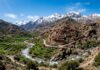
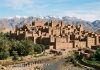
This is the classic short desert trip. Day one crosses the High Atlas and stops at the mud-brick kasbah of Aït Benhaddou, a UNESCO World Heritage Site and a familiar film location. Day two continues through the Valley of Roses and the gorges to Merzouga, where you ride a camel into the dunes for sunset and a night in camp. Day three is the long drive home.
Honest verdict: It is unforgettable, but it involves around 18 to 20 hours of driving in three days. If you can add a fourth day, do it. A better option for many people is to finish in Fes instead of returning to Marrakech.
2. The 4-day Marrakech to Fes desert crossing
This one-way route is the same Sahara experience without the backtracking. You leave Marrakech, sleep in the Dadès Valley, spend a night in the dunes at Erg Chebbi, then cross the Middle Atlas cedar forests, where Barbary macaques live, to arrive in Fes. It is the single most efficient way to see both imperial cities and the desert.
3. The 7-day imperial cities and Sahara loop
Route: Casablanca, Rabat, Chefchaouen, Fes, Merzouga, Dadès, Ouarzazate, Marrakech.
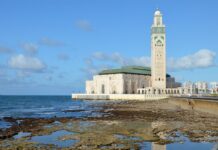
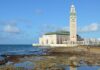
This is the itinerary most first-timers should look at. In one week you see the Hassan II Mosque in Casablanca, the capital Rabat, the blue streets of Chefchaouen, the medieval medina of Fes, a night in the Sahara and the kasbahs of the south, ending in Marrakech. It is busy, but every day delivers something new.
4. The 10-day grand tour
Ten days lets the 7-day loop breathe. Add a second night in Fes for a full guided medina day plus Volubilis and Meknes, a second night in the desert, and a final day trip from Marrakech to the Ourika Valley or Essaouira. For many travelers, this is the sweet spot between depth and time off work.
5. The 14-day complete Morocco
Two weeks lets you include the north (Tangier and Tetouan), the Atlantic coast (Essaouira, perhaps Agadir), and slower days in the High Atlas villages around Imlil, at the foot of Mount Toubkal. It is ideal for travelers who want to see the whole country once and properly.
6. The coast and mountains route
Not everyone wants the desert. This route links Marrakech, the Atlas villages, the Argan-tree country of the Souss, Agadir and windy, artistic Essaouira. Driving distances are short, the climate is mild year round, and it pairs well with surfing, cooking classes and hammam days.
7. Themed Morocco tours
Some of the best Morocco tours are built around a passion:
- Food tours: market visits, cooking classes, and a tagine or couscous lunch with a local family
- Trekking tours: the Toubkal ascent, M’Goun Valley or Sirwa plateau
- Photography tours: timed for golden-hour light in the dunes, the blue city and the tanneries
- Architecture and history tours: Roman Volubilis, Merinid madrasas, the Saadian Tombs and Jewish heritage sites
- Wellness tours: riads with spas, yoga retreats near Essaouira, and argan oil cooperatives
How to pick: count your days, then subtract one for every long driving day. If what is left feels rushed, choose the shorter route, or go private so you can set the pace.
Private Morocco Tours: Your Trip, Your Pace
Private Morocco tours are the most popular choice among our readers, and for good reason. A private tour means one vehicle, one driver (and often a separate local guide in each city) dedicated only to you and your companions.
What a private tour usually includes
- A modern, air-conditioned 4×4 or minivan with an English-speaking (or French, Spanish, German) driver
- Airport pick-up and drop-off
- Hand-picked riads, kasbahs and desert camps
- Licensed local guides for the medinas of Fes and Marrakech
- Camel trek and desert camp in Merzouga or Zagora
- Breakfast daily and dinner on most nights outside the big cities
- 24/7 support from the local operator
Why travelers choose private Morocco tours
Flexibility. Want to stop for photos at a viewpoint over the Dadès gorge? Stay longer in a Berber village because the family invited you for tea? On a private tour, you just ask. Nobody is waiting on the bus.
Better pacing. You start when you are ready, take a long lunch, and break up drives with short walks. This alone transforms the experience of a long route.
Deeper connection. A good private driver becomes your interpreter, cultural translator and storyteller. Many travelers say their driver was the highlight of the trip.
Fewer hassles. In medinas, a licensed guide keeps unwanted touts away and takes you to workshops, not tourist traps.
Tailor-made routes. You can combine the desert with the coast, add a cooking class, swap a city for a mountain village, or build around a special interest.
Who private tours suit best
- Families with children who need flexible timing and bathroom breaks
- Couples and honeymooners
- Photographers chasing the right light
- Travelers with mobility needs or health conditions
- Anyone who dislikes fixed group schedules
Are private Morocco tours expensive?
Less than many people assume. Because the main costs (vehicle, fuel and driver) are shared across your group, private tours become very good value for three to six people. For a couple, a private tour often costs only moderately more than a quality small-group tour, especially outside peak season. See the cost section below for typical ranges.
Tips for booking a private tour
- Ask whether the driver and the city guides are licensed. They should be.
- Confirm the vehicle type and that it has working air conditioning and seat belts in every seat.
- Check the daily driving times on paper, not just the list of places.
- Ask to see the named riads and camps, not “or similar”.
- Clarify what is not included: lunches, entrance fees, tips and drinks are common exclusions.
Luxury Morocco Tours: What “Luxury” Really Means Here
Morocco does luxury in a way few countries can match. It is not just about thread counts. It is about sleeping in a restored 18th-century palace, dining by candlelight in the dunes, and having doors quietly opened for you all day. Luxury Morocco tours take everything good about a private tour and remove every remaining friction.
Signature elements of luxury Morocco tours
Palace riads and iconic hotels. Marrakech alone has world-famous addresses set in vast gardens, plus intimate riads with only a handful of suites, rooftop pools and private hammams. Fes offers palace hotels overlooking the old medina, and the Atlas has mountain retreats with views of snowy peaks.
Luxury desert camps. Forget the basic tent. Premium camps in Erg Chebbi and the remote Erg Chigaga offer spacious tents with real beds, en-suite bathrooms with hot showers, fine dining, and musicians around the fire. Some can arrange stargazing with telescopes or a sunrise hot-air balloon flight.
Expert guides. On high-end trips you are often paired with specialist guides: an architectural historian in Fes, a food expert in Marrakech, a geologist or birding guide in the south.
Exclusive experiences. Think private cooking classes with a renowned chef, after-hours visits, a picnic by a waterfall in the Atlas, a session with a master craftsman, or dinner in a private home.
Seamless logistics. Meet-and-greet at the aircraft door or a fast-track service at major airports, premium 4×4 vehicles, and on some itineraries a light aircraft or helicopter transfer to skip the longest drives.
Is a luxury tour worth it?
It depends on what you value. If comfort, privacy and personal service turn a good trip into a great one for you, then yes. Luxury Morocco tours are especially worth it for:
- Honeymoons, anniversaries and milestone birthdays
- Travelers who find heat, noise and crowds draining
- Older travelers who want maximum comfort (see our seniors section below)
- Anyone who wants to see the desert without giving up a real bed and bathroom
If you are mostly after the scenery and do not mind simpler rooms, a well-run private tour with a mix of boutique riads and one premium desert night delivers about 80% of the experience for a fraction of the price.
How to spot genuine luxury
“Luxury” is one of the most overused words in travel marketing. A genuine luxury operator will name every hotel in writing, explain why each was chosen, give you the name and profile of your driver-guide in advance, and offer a single point of contact before and during the trip. If an itinerary says “luxury riad or similar” without details, ask more questions.
Morocco Tours for Seniors: Comfortable, Rewarding and Absolutely Doable
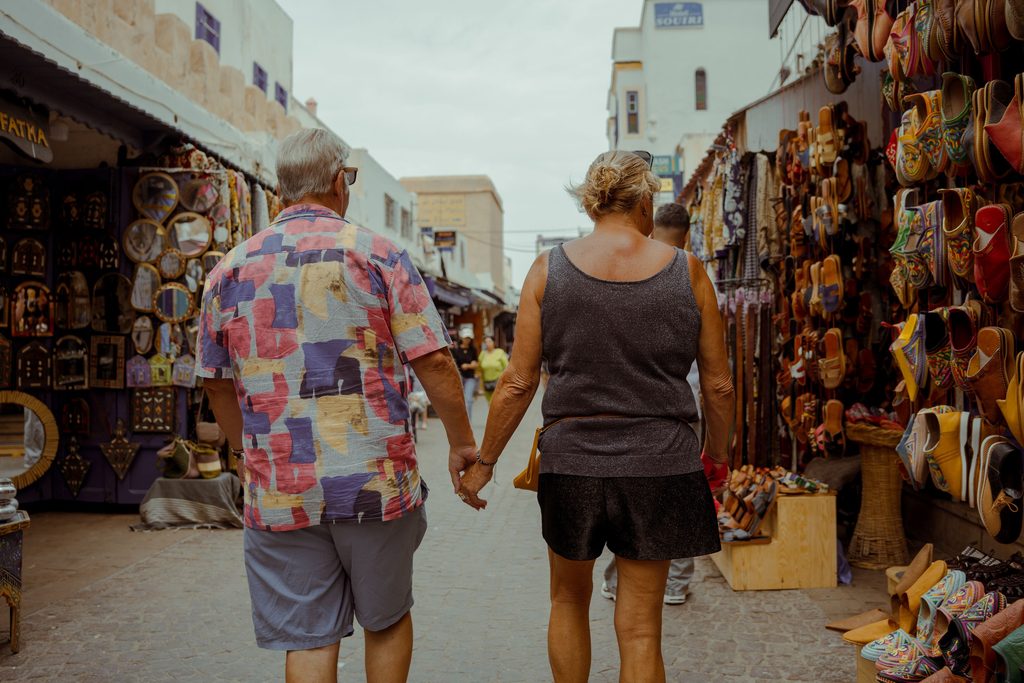
We hear one question again and again: “Am I too old for Morocco?” The answer is almost always no. Morocco is a deeply respectful culture toward elders, the hospitality is warm, and with the right planning it is a superb destination for travelers in their 60s, 70s and beyond. Morocco tours for seniors simply need a different design.
What makes a tour senior-friendly
Shorter driving days. The best Morocco tours for seniors keep most drives under four or five hours, with a stop every 60 to 90 minutes. A 10-day trip is usually more enjoyable than a crammed 7-day one.
Two-night stays. Staying two or more nights in each main stop (Fes, the desert, Marrakech) means less packing, more rest and time to enjoy the hotel.
Accessible accommodation. Traditional riads are beautiful but often have steep, narrow stairs and no lift. Ask for ground-floor rooms or hotels with elevators. Modern hotels and many luxury riads now have lifts.
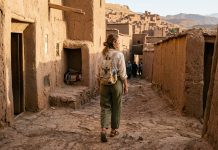
Gentle medina visits. The old cities have uneven cobbles, slopes and steps. A good guide plans a route with seating stops, avoids the steepest lanes, and can arrange a small cart or porter for bags. Morning visits avoid both heat and crowds.
Desert options without the camel. A camel ride is optional. Many camps can be reached by 4×4, and luxury camps offer proper beds, private bathrooms and heating on cold nights. You can still watch the sunset from the dunes.
Good food, adapted. Moroccan cuisine is naturally suited to many diets: grilled fish, vegetables, lentil soups and tagines that are slow-cooked rather than spicy. Guides can request low-salt, vegetarian or soft-food options in advance.
A sample 10-day itinerary for seniors
- Days 1-2: Casablanca and Rabat. Arrive, rest, then a gentle visit to the Hassan II Mosque and Rabat’s Kasbah of the Oudayas.
- Days 3-4: Fes. Two nights in a hotel with a lift. A half-day guided medina walk with breaks, and an afternoon at Volubilis and Meknes by car.
- Day 5: Ifrane and the Middle Atlas to Merzouga. Break the drive with lunch and short stops for the cedar forest.
- Day 6: The desert. A relaxed day at a premium camp, with sunset from the dunes by 4×4 or camel.
- Days 7-8: Dadès Valley and Ouarzazate. Shorter drives, kasbah hotels with pools and gardens.
- Days 9-10: Marrakech. Two nights in a garden riad. Majorelle Garden, the Bahia Palace and a calm evening at a rooftop restaurant overlooking Jemaa el-Fnaa.
Health and practical tips for older travelers
- Travel insurance: buy a policy that includes medical evacuation and covers any pre-existing conditions.
- Altitude: the Tizi n’Tichka pass reaches about 2,260 m. It is a quick crossing, but mention heart or breathing conditions to your doctor.
- Medication: carry enough for the whole trip plus extra, in original packaging with a copy of prescriptions.
- Heat: avoid the desert and Marrakech in July and August. Spring and autumn are ideal.
- Hydration: drink bottled or filtered water, and keep a bottle in the vehicle at all times.
- Healthcare: major cities have good private clinics. A reputable operator will know the nearest one on every stage of your route.
Why private tours suit seniors best
A shared group bus cannot slow down for one person. A private tour can. You set the start time, rest when you need to, and change plans if you feel tired. That flexibility is the single biggest factor in a happy trip, which is why most Morocco tours for seniors that we recommend are private or very small groups.
When to Take a Morocco Tour: Season by Season
Morocco is a year-round destination, but the best time depends on your route. The desert, the mountains and the coast all run on different clocks.
| Season | Months | Weather | Best for | Watch out for |
|---|---|---|---|---|
| Spring | March to May | Warm days, green valleys, almond and rose blossom | Almost every route; the classic time for Morocco tours | Easter crowds; book early |
| Summer | June to August | Very hot inland and in the desert; pleasant on the coast | Coast, Atlas mountains, Chefchaouen | Desert heat; Marrakech often above 40°C |
| Autumn | September to November | Warm, settled and golden; dates harvest in the south | Desert, imperial cities, trekking | Peak demand in October |
| Winter | December to February | Sunny, mild days; cold nights; snow in the Atlas | Marrakech, the coast, budget-friendly travel | Freezing desert nights; some high passes close briefly after snow |
Our quick recommendations
- First-timers: late March to May, or late September to early November.
- Seniors: April, May and October give the gentlest temperatures. Avoid July and August inland.
- Luxury travelers: shoulder months give the best balance of weather and availability at top hotels and camps.
- Budget travelers: January and February (outside Christmas and New Year) offer lower prices and empty sights, if you pack warm layers for the desert.
Ramadan
The date of Ramadan moves about 11 days earlier each year. In 2027 it is expected to fall roughly from early February to early March. Tours run normally, and sites stay open. Some restaurants close during the day, the pace slows, and evenings come alive after sunset. Many travelers find it a fascinating time to visit. Just be respectful: avoid eating, drinking or smoking openly in the street during daylight hours.
Festivals worth planning around
- Rose Festival in Kelaat M’Gouna, in May
- Gnaoua World Music Festival in Essaouira, usually in June
- Fes Festival of World Sacred Music, usually in late spring
- Imilchil Marriage Festival in the High Atlas, in late summer
Dates vary each year, so confirm with your operator before you book.
How Much Do Morocco Tours Cost?
Prices vary widely with the season, group size, hotel level and the operator’s reputation. The ranges below are approximate per-person guides for a 7-day tour, based on two people sharing, and excluding international flights.
| Tour style | Typical price per person (7 days) | Accommodation |
|---|---|---|
| Shared budget group | €400 to €900 | Simple hotels and standard desert camp |
| Small-group tour | €1,000 to €2,200 | Mid-range hotels and riads |
| Private tour (mid-range) | €1,200 to €2,800 | Boutique riads, comfortable camp |
| Private tour (premium) | €2,800 to €5,000 | Top boutique riads, luxury camp |
| Luxury tour | €5,000 to €12,000+ | Palace hotels, premium camps, extras |
These are rough figures and change with demand. Always get an itemized quote.
What pushes the price up
- Travel at Easter, Christmas, New Year or during major events
- Only one or two travelers in a private vehicle
- Iconic hotels in Marrakech and Fes
- Remote desert locations such as Erg Chigaga, which need extra 4×4 driving
- Specialist guides, private experiences and flights or helicopters
How to save without losing quality
- Travel in the shoulder months, such as early March, November or late January.
- Travel as a group of four to six to share private vehicle costs.
- Mix accommodation: splurge on one or two special nights, such as the desert camp or Marrakech, and choose charming mid-range riads elsewhere.
- Choose a one-way route (Marrakech to Fes, or the reverse) to avoid paying for empty return driving.
Extra costs to budget for
- Lunches: about €8 to €20 per person in local restaurants, more in upscale venues
- Entrance fees: most monuments are inexpensive, usually a few euros each
- Tips: see the practical tips section below
- Shopping: carpets, ceramics, leather and argan oil can quickly add up, so set a budget
How to Choose a Morocco Tour Operator
The operator makes or breaks your trip. The same route can feel magical with one company and miserable with another. Use this checklist before you pay a deposit.
Local or international?
Local Moroccan operators know the roads, the hotels and the people. They are usually better value and more flexible, and your money stays in the local economy. International agencies often subcontract to local operators but add a layer of support and familiar consumer protection in your home country. Both can be excellent. What matters most is the quality of the team on the ground.
Ten questions to ask any operator
- Are you licensed by the Moroccan Ministry of Tourism, and are your city guides officially licensed?
- Who exactly will drive us, and how long have they worked with you?
- What are the daily driving hours on this itinerary?
- Which named hotels, riads and camps are included?
- What is included and excluded, line by line?
- Is the vehicle insured for passengers, and do all seats have seat belts?
- What happens if someone gets sick, or a road closes because of snow?
- What is the cancellation and refund policy?
- Do you take us to shops on commission, and can we skip them?
- Can you share recent reviews or references from travelers like us?
Red flags
- Prices far below everyone else’s, which usually means compromises on vehicles, hotels or driver hours
- Vague itineraries with “or similar” everywhere
- Pressure to pay the full amount immediately by unsecured transfer
- No physical address or registration details
- Reviews that are all five stars, posted on the same few days
Green flags
- Fast, specific replies to your questions
- A willingness to change the route to suit you
- Transparent pricing with a written breakdown
- Consistent, detailed reviews on several independent platforms over years, not weeks
- Clear policies on responsible travel, fair pay for staff and respect for local communities
Practical Tips for Your Morocco Tour
Entry requirements
Citizens of the UK, the EU, the US, Canada, Australia and many other countries can enter Morocco without a visa for stays of up to 90 days. Your passport should be valid for at least six months beyond your arrival date. Rules can change, so always check your government’s official travel advice before you fly.
Money
The currency is the Moroccan dirham (MAD). It is a closed currency, so you get it on arrival from airport exchange desks or ATMs, which are common in cities. Cards are accepted in larger hotels and shops, but cash is essential in souks, villages and the desert. Keep small notes for tips and snacks.
Tipping
Tipping is customary and appreciated. As a rough guide: a few dirhams for small services, 10% in restaurants where service is not included, and a separate tip for your driver and guides at the end of the tour. Many travelers budget roughly €10 to €20 per day for the driver and a little less for each city guide, adjusted to the level of service.
What to wear
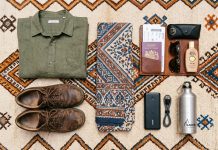
Morocco is a Muslim country with relaxed but modest norms. Light, loose clothing that covers shoulders and knees is respectful and also keeps the sun off. Pack a warm layer for the desert and mountains even in summer, comfortable walking shoes for the medinas, and a scarf, which is useful for dust, sun and mosque visits.
Language
Moroccan Arabic (Darija) and Amazigh (Berber) are spoken everywhere, and French is widely used. English is increasingly common in tourist areas, and your guides will speak it fluently. A few words go a long way: salam alaikum (hello), shukran (thank you), la, shukran (no, thank you).
Etiquette and culture
- Ask before photographing people, and accept a “no” gracefully.
- Non-Muslims cannot enter most mosques. The Hassan II Mosque in Casablanca is the main exception, with guided tours.
- Use your right hand for eating and greeting.
- Bargaining is expected in the souks. Start at about half the asking price, smile, and walk away politely if you cannot agree.
Health and safety
Morocco is generally a safe destination for travelers, and tourist areas are well policed. Take the normal city precautions with bags and phones. Drink bottled or filtered water, be careful with raw salads in the first days, and carry hand sanitizer. In medinas, politely ignore unofficial “guides” who offer to show you the way; a licensed guide on your tour solves this entirely.
Connectivity
Buy a local SIM or eSIM at the airport for cheap data. Coverage is good in cities and on main roads, patchy in the mountains, and limited in the deep desert, which many travelers come to see as a welcome break.
Morocco Tours FAQ
How many days do I need for a Morocco tour?
Seven days is the minimum to see the imperial cities and the Sahara without feeling rushed. Ten days is ideal for most first-timers. With only three or four days, focus on Marrakech plus either the desert or the Atlas mountains.
What are the best Morocco tours for first-time visitors?
The 7-day or 10-day imperial cities and Sahara loop is the best introduction. It covers Fes, Marrakech, the Sahara, the kasbahs of the south and, often, Chefchaouen. Choose a private or small-group version if you want flexibility.
Are private Morocco tours worth the extra cost?
For most travelers, yes. You control the pace, skip unwanted shopping stops and get a driver-guide who adapts to you. For groups of three or more, private tours are often close in price to good small-group tours.
What makes luxury Morocco tours different?
Luxury Morocco tours use palace hotels and top riads, premium desert camps with en-suite tents, specialist guides and exclusive experiences, all with seamless logistics and a single point of contact.
Are there Morocco tours for seniors with limited mobility?
Yes. Many operators design Morocco tours for seniors with shorter drives, two-night stays, hotels with lifts, 4×4 access to desert camps instead of camels, and gentle medina routes with rest stops. Tell your operator about any mobility needs before booking.
Is Morocco safe for tourists?
Morocco is generally safe for travelers and welcomes millions of visitors each year. Use common-sense precautions, as in any busy destination, and check your government’s latest travel advice before you go.
Is Morocco safe for solo female travelers?
Many women travel solo in Morocco and enjoy it. Expect some attention in busy medinas. Dressing modestly, using licensed guides and joining a small-group or private tour reduces hassle considerably.
Can I drink alcohol in Morocco?
Yes, in licensed hotels, restaurants and bars, mainly in cities and tourist areas. It is not served everywhere, especially in smaller towns, and drinking in public is not acceptable.
Do I need to book Morocco tours in advance?
For spring, October and holiday periods, book three to six months ahead, especially for luxury camps and popular riads. In quieter months a few weeks is usually enough.
Can a tour start in Tangier or Agadir instead of Marrakech?
Absolutely. Private Morocco tours can start and end in any city with an airport or ferry port, including Tangier, Fes, Casablanca, Agadir and Ouarzazate.
Final Thoughts: Finding the Morocco Tour That Fits You
The best Morocco tours are not the ones that cram in the most stops. They are the ones that match how you like to travel. If you want freedom and flexibility, private Morocco tours give you a dedicated driver and a route built around you. If you want to celebrate something special, luxury Morocco tours add palace hotels, star-filled desert nights and flawless service. If you are traveling later in life, well-designed Morocco tours for seniors prove that the dunes, the medinas and the mountains are open to everyone.
Whatever you choose, give yourself enough time, travel in the right season, and pick an operator who answers your questions clearly and honestly. Do that, and Morocco will reward you with some of the most vivid days of your life: the call to prayer echoing over Fes, the silence of the Sahara at night, and the warmth of a stranger who invites you in for tea.
Ready to start planning? Browse our destination guides to Marrakech, Fes and the Sahara, or get in touch with the Morocco Traveler Guide team. Tell us your dates, your travel style and your must-sees, and we will help you find the Morocco tour that fits you best.