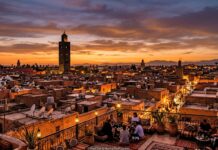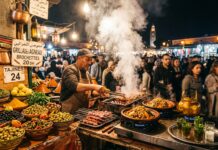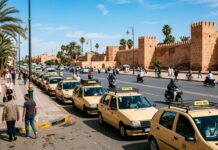

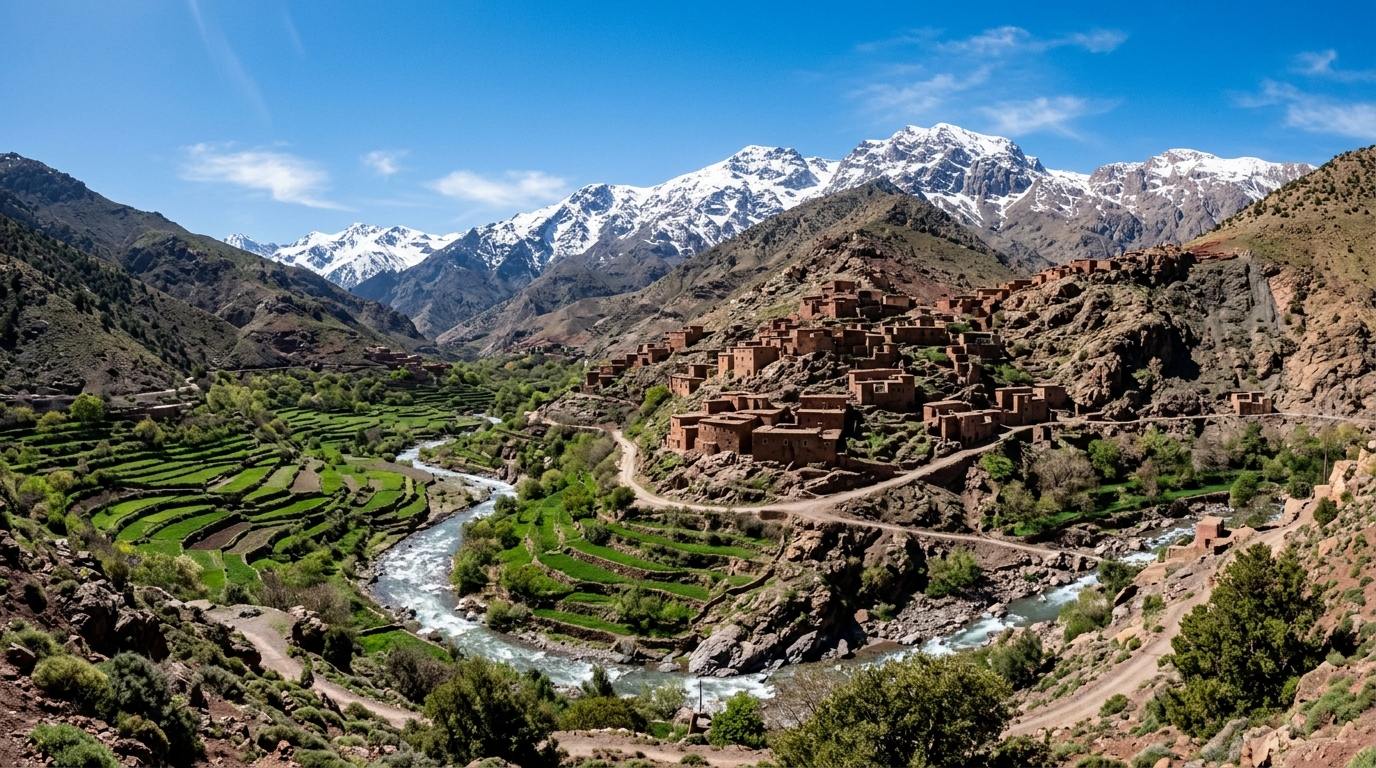
Marrakech serves as a natural staging base for exploring central Morocco. Within ninety minutes to three hours of travel from the medina, the terrain shifts from palm groves to snow-capped alpine peaks, wind-swept Atlantic coastal ramparts, olive-shaded canyons, and barren stone desert plateaus. Taking one or two day excursions provides welcome relief from the sensory intensity of the medina while introducing you to rural Amazigh mountain culture.
Choosing the right excursion requires balancing travel times against realistic expectations. Many first-time visitors attempt overly ambitious trips, spending eight to ten hours inside a minibus on winding mountain passes. Understanding travel distances, road conditions, and local transit options ensures you spend your time exploring rather than staring through a bus window.
The Top 5 Day Excursions from Marrakech Evaluated
Each major day excursion from Marrakech offers a distinct geographic and cultural environment. Here is how the five primary options compare in scenery, physical demands, and logistics.
1. High Atlas Mountains and Imlil Valley
The High Atlas mountain range rises south of Marrakech, its snow-dusted peaks visible from riad rooftops on clear winter mornings. The village of Imlil, situated at 1,740 meters elevation roughly ninety minutes from the city, serves as the main trailhead for climbing Jbel Toubkal, North Africa’s highest peak at 4,167 meters.
For day-trippers, Imlil offers fresh alpine air, terraced walnut orchards, and a look at traditional Amazigh village life. A typical day trip involves meeting a local licensed mountain guide at the village center and hiking along mule trails to the perched hamlet of Aroumd. The trail climbs over glacial moraines, providing sweeping views across the valley.
In Aroumd, local families open stone houses to serve traditional lunches of chicken tagine with mountain vegetables, hearth bread, and walnuts on rooftop terraces overlooking Toubkal. The hike requires moderate fitness and walking shoes with good tread. Hiring a local guide costs 150 to 250 MAD ($15.00 to $25.00 USD) for the group, while lunch costs 80 to 120 MAD ($8.00 to $12.00 USD) per person.
By comparison, Ourika Valley is closer to Marrakech (roughly sixty minutes) and features riverside cafes with chairs set directly in shallow water. While convenient, Ourika has become commercialized and suffers from weekend traffic jams. For genuine mountain scenery and hiking, Imlil is the superior choice.
2. Essaouira: Coastal Ramparts and Atlantic Breezes
Situated directly west of Marrakech on the Atlantic coast, Essaouira offers a total change of pace and climate. When summer temperatures in Marrakech exceed 42°C (108°F), Essaouira remains cooled by trade winds (*alizees*), rarely climbing above 24°C (75°F).
Essaouira is famous for its 18th-century stone seafront fortifications (*Skala de la Ville*), constructed for Sultan Mohammed ben Abdallah. European bronze cannons still point over the Atlantic surf. The pedestrian medina features straight thoroughfares painted in whitewash and cobalt blue, flanked by artisan workshops specializing in fragrant thuya wood carving.
At the active fishing port, wooden blue boats unload daily catches of sardines, sea bass, and spider crabs. You can purchase fresh sardines seasoned with coarse salt and cumin (*sardil mchwi*), grilled over charcoal embers at port stalls for 30 to 50 MAD ($3.00 to $5.00 USD). The drive takes roughly two and a half to three hours each way, making it a full twelve-hour day trip or an ideal overnight destination.
3. Agafay Desert: Sunset and Stargazing
A frequent point of confusion among visitors is the distinction between Morocco’s sandy dune deserts (*ergs*) and the Agafay Desert. The famous orange sand dunes of Erg Chebbi at Merzouga lie nine hours away across the High Atlas and cannot be visited as a day trip. Agafay, by contrast, sits forty-five minutes southwest of Marrakech.
Agafay is a barren stone desert plateau (*hamada*), composed of undulating limestone hills reminiscent of a lunar plain, with the snow-capped Atlas Mountains forming a sharp backdrop. Because of its proximity, Agafay is ideal for late afternoon and evening excursions.
Visitors arrive around 4:30 PM for quad biking, guided camel walks across stony ridges, and sunset tea. As dusk settles, desert camps such as Scarabeo Camp, Inara Camp, or Terre des Etoiles light lanterns and fire pits, serving Moroccan dinners under open skies. Half-day packages including round-trip private transport, camel rides, and dinner range from 450 to 850 MAD ($45.00 to $85.00 USD) per person.
4. Ouzoud Waterfalls: Middle Atlas Cascades
Located in the Middle Atlas foothills roughly two and a half to three hours northeast of Marrakech, Cascades d’Ouzoud are the most dramatic waterfalls in North Africa. The river plunges 110 meters over multi-tiered sandstone cliffs into a green pool below.
The name *Ouzoud* derives from the Amazigh word for grinding grain, referencing historic water mills perched near the waterfall crest. A walking path winds down through shaded olive groves to the gorge base, where wooden rowboats shuttle passengers close to the thundering spray for 20 to 30 MAD ($2.00 to $3.00 USD) per person.
Along the trail, wild Barbary macaques gather in the fig and olive trees. Avoid feeding them, as they can bite when food is withheld. Reaching the base requires descending several hundred concrete steps, which you must climb back up in afternoon heat. Expect a ten-hour day trip, with shared minibus tours costing 250 to 400 MAD ($25.00 to $40.00 USD) per person.
5. Aït Benhaddou and Ouarzazate: The Desert Fortress
For history and cinema enthusiasts, the fortified earthen village (*ksar*) of Aït Benhaddou is an iconic Moroccan landmark. This UNESCO World Heritage site features multi-storied clay and straw kasbahs protected by watchtowers, rising above the dry riverbed of the Ounila Valley. The fortress has served as the filming backdrop for productions including *Gladiator* and *Game of Thrones*.
Visiting Aït Benhaddou requires crossing the High Atlas via the Tizi n’Tichka pass, which climbs to 2,260 meters elevation along a winding highway. While mountain vistas are extraordinary, the journey takes four hours in each direction, meaning eight hours driving in a single day.
If you choose this day excursion, hire a private vehicle with an experienced driver rather than a shared minibus. A private car allows you to stop at mountain viewpoints, take stretch breaks, and explore the kasbah at your own pace without feeling rushed.
Day Trip Comparison and Decision Matrix
To help you evaluate travel times, costs, and physical requirements, the table below provides a side-by-side comparison of the five primary day trips from Marrakech.
| Destination | One-Way Drive | Realistic Cost (MAD) | USD Equivalent | Physical Difficulty | Primary Appeal |
|---|---|---|---|---|---|
| Imlil & High Atlas | 90 minutes | 250 to 500 MAD (shared/private) | $25 to $50 | Moderate (trail walking) | Alpine scenery, walnut groves, Amazigh village hospitality. |
| Ourika Valley | 60 minutes | 200 to 350 MAD | $20 to $35 | Easy to moderate | Shaded riverbank cafes, beginner waterfall scrambles. |
| Essaouira | 2.5 to 3 hours | 100 to 350 MAD (bus or tour) | $10 to $35 | Easy (flat walking) | Cool Atlantic sea air, stone ramparts, fresh grilled fish. |
| Agafay Desert | 45 minutes | 450 to 850 MAD (with dinner) | $45 to $85 | Easy | Stony desert ridges, sunset views, campfire dining. |
| Ouzoud Waterfalls | 2.5 to 3 hours | 250 to 400 MAD | $25 to $40 | Moderate (stairs and trails) | 110-meter cascading falls, riverboat rides, Barbary macaques. |
| Aït Benhaddou | 3.5 to 4 hours | 350 to 700 MAD (tour/private share) | $35 to $70 | Moderate (climbing clay hill) | Ancient clay architecture, cinematic history, High Atlas pass. |
For travelers with only one day available for an excursion, Imlil or Essaouira provides the best return on travel time, delivering authentic cultural experiences without spending the entire day in transit.
Booking Day Trips: Online Platforms vs. Medina Kiosks vs. Public Transit
How you arrange your day trip significantly affects both your comfort and the overall cost. Travelers have three main options, each with distinct advantages and drawbacks.
Option 1: Online Platforms (GetYourGuide and Viator)
Booking through established international platforms offers price clarity and convenience. Shared excursions to Essaouira, Ouzoud, or Ourika generally cost between $25 and $45 USD (250 to 450 MAD) per seat, while private cars with dedicated drivers range from $100 to $180 USD (1,000 to 1,800 MAD) for the day.
The primary benefit is accountability. You can read recent traveler reviews, verify that your vehicle has working air conditioning, and take advantage of free cancellation up to twenty-four hours before departure. Drivers contracted through established online operators are monitored regarding English-language capability and vehicle safety standards.
Option 2: Medina Street Agencies and Tour Kiosks
Small travel agencies and booking desks line Rue Bab Agnaou, Rue Riad Zitoun, and the alleys around Jemaa el-Fna. Display boards outside these shops advertise group excursions to Ouzoud, Ourika, and Essaouira for seemingly low prices.
Bargaining is expected at these kiosks. A clerk might initially quote 350 MAD ($35.00 USD) for a seat on an Ouzoud bus, but you can negotiate the price down to 200 to 250 MAD ($20.00 to $25.00 USD). However, medina kiosk tours come with trade-offs:
- Mixed-language minibuses: Passengers from multiple nationalities are gathered into fifteen-passenger vans, with drivers providing minimal commentary.
- Mandatory commercial stops: Almost all low-cost kiosk tours include scheduled stops at roadside argan oil cooperatives or pottery showrooms. Drivers receive commissions on tourist sales, and these stops can consume forty-five minutes of your travel day.
- Variable vehicle standards: Older vans may have weak air conditioning, which becomes uncomfortable during summer months.
- No cancellation flexibility: Cash paid at street kiosks is rarely refundable if your plans change or you wake up feeling unwell.
Option 3: Public Transport and Self-Organized Travel
For confident independent travelers, public transit offers total freedom from tourist group schedules, particularly for trips to Essaouira and Imlil.
To reach Essaouira independently, take the official Supratours coach. Supratours departs from their terminal behind the Marrakech train station in Gueliz. Tickets cost 100 to 130 MAD ($10.00 to $13.00 USD) each way, plus a 5 MAD fee for stowed luggage. The air-conditioned bus drops passengers outside Essaouira’s medina gate. Catch the 8:30 AM departure, spend six hours exploring, and return on the 6:00 PM evening coach.
To reach Imlil independently, head to the Grand Taxi rank near Bab er-Rob, just south of the medina ramparts. Large six-passenger taxis run regular shared routes to Asni and Imlil. A single seat (*blasa*) to Imlil costs 40 to 50 MAD ($4.00 to $5.00 USD). Alternatively, you can charter the entire vehicle privately for 250 to 300 MAD ($25.00 to $30.00 USD) each way, allowing you to depart immediately without waiting for other passengers.
Essential Packing and Practical Field Advice
A successful day excursion requires sensible preparation, especially when traveling into rural mountain environments where conveniences are limited.
- Wear suitable footwear: Mountain trails around Imlil, village paths in Aït Benhaddou, and the descent at Ouzoud Waterfalls feature uneven cobblestones and gravel. Wear sturdy walking shoes with supportive rubber soles. Flip-flops and thin canvas slip-ons lead to rolled ankles.
- Carry clothing layers: Mountain weather changes rapidly. While Marrakech may be 25°C (77°F) at midday, temperatures at 1,800 meters elevation in Imlil can drop to 10°C (50°F) when clouds move in. Pack a light windbreaker or fleece in your daypack.
- Bring cash in small denominations: Rural Amazigh villages operate entirely on cash. Small shops, mountain guides, mule drivers, and family cafes cannot process credit cards. Carry 300 to 500 MAD in 20, 50, and 100 dirham banknotes.
- Prepare for mountain roads: Routes over the Tizi n’Tichka pass to Aït Benhaddou and into the Imlil Valley involve dozens of sharp hairpin turns. If prone to motion sickness, take preventative medication thirty minutes before departure.
- Stay hydrated with bottled water: Purchase two liters of bottled water in Marrakech before setting out. Rural cafes along popular tour routes often charge inflated prices for basic beverages.
Frequently Asked Questions
Which day trip from Marrakech is best if I only have time for one?
If you can only take one day excursion, choose between the High Atlas Mountains (Imlil) and Essaouira. Select Imlil if you want mountain scenery, fresh air, light trekking, and a look at rural Amazigh stone villages, all within ninety minutes of Marrakech. Choose Essaouira if you want cooler coastal temperatures, historical stone ramparts, a laid-back medina, and fresh grilled seafood.
Is it better to book day excursions online or negotiate at medina travel agencies?
Booking online through platforms like GetYourGuide or Viator is best for travelers who value transparent pricing, verified vehicle reviews, working air conditioning, and free cancellation up to twenty-four hours before departure. Booking at local medina kiosks can save 50 to 100 MAD ($5.00 to $10.00 USD) per person if you bargain, but these tours often involve older buses, multiple languages, and mandatory stops at argan oil shops.
Can you visit the real Sahara Desert sand dunes on a day trip from Marrakech?
Visiting the massive sand dunes (*ergs*) of the Moroccan Sahara is not possible on a day trip. The famous orange dunes of Erg Chebbi and Erg Chigaga require an eight to ten-hour drive across the High Atlas Mountains in each direction. A proper Sahara trip requires three days and two nights. If you want a desert setting close to Marrakech, visit the Agafay Desert, a rocky stone plateau forty-five minutes from the city.
How do you take a day trip to Essaouira independently using public transit?
You can easily visit Essaouira without an organized tour by booking the Supratours bus, which departs from the terminal behind the Marrakech train station in Gueliz. Tickets cost between 100 and 130 MAD ($10.00 to $13.00 USD) each way, and the trip takes two and a half to three hours in modern air-conditioned coaches. Catch the 8:30 AM morning departure, explore Essaouira’s medina and ramparts at your own pace, and take the 6:00 PM bus back to Marrakech.
What should I wear and pack on a High Atlas Mountains day trip?
Pack a daypack containing sturdy walking shoes, sunglasses, sunblock, a water bottle, and a warm layer such as a fleece or windbreaker. Temperatures in mountain villages like Imlil are typically 8°C to 12°C cooler than Marrakech. Dress respectfully by covering shoulders and knees out of consideration for traditional Amazigh rural communities. Carry cash in small dirham notes, as village cafes and local guides do not accept cards.
Related Morocco Travel Planning Guides
Continue planning your Moroccan itinerary with our comprehensive logistical and regional travel resources:
- Marrakech Travel Guide: Complete first-timer planning guide, neighborhood overviews, transport logistics, and cultural advice.
- 15 Best Things to Do in Marrakech: Top historic monuments, palace entrance fees, opening hours, and souk navigation routes.