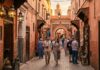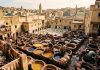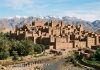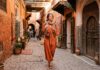

Marrakech is an energetic destination where pacing determines whether a trip feels rewarding or exhausting. First-time visitors frequently ask how many days they should spend in the Red City. Allocate too little time and you rush through monuments without absorbing the atmosphere; stay too long without leaving the historic center and medina fatigue can set in. Finding the right balance depends on your travel style, seasonal temperatures, and whether you plan to explore nearby mountain valleys or coastal ports.
Three full days in Marrakech represents the ideal duration for most travelers. This allows you to explore major Saadian palaces, navigate artisan souks, unwind in a traditional bathhouse (*hammam*), and take an afternoon excursion to the Agafay Desert. With smart scheduling, you can experience city highlights while maintaining a relaxed pace.
The Duration Framework: 2, 3, or 4+ Days in Marrakech
To help you determine how much time to allocate, consider what each timeframe realistically allows.
2 Days: The Fast-Paced Cultural Sprint
Two days provides just enough time to cover primary landmarks: Ben Youssef Madrasa, Bahia Palace, Saadian Tombs, and the evening spectacle of Jemaa el-Fna. However, this pace requires early starts and offers little downtime. You spend most waking hours walking crowded alleys, leaving no room for day trips or quiet afternoons in your riad.
3 Days: The Classic Marrakech Sweet Spot
Three days is the recommended duration for most visitors. You can visit top historical attractions on Day 1, explore specialized artisan quarters and enjoy a restorative hammam on Day 2, and spend Day 3 admiring botanical gardens in Gueliz before heading out for a sunset dinner in the Agafay Desert. This duration balances cultural sightseeing with necessary pauses.
4 to 5 Days: Relaxed Immersion and Regional Excursions
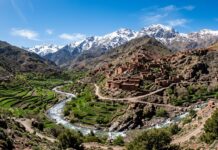
With four or five days, Marrakech becomes a comfortable base. Dedicate three days to the city and use remaining days for excursions to the mountain village of Imlil or coastal Essaouira. This option suits travelers who prefer unhurried pacing.
The Definitive 3-Day Marrakech Itinerary
This balanced three-day plan organizes sights by geographic proximity to minimize unnecessary walking through crowded alleys.
Day 1: Historic Medina, Palaces, and Sunset on the Square
Morning: Islamic Architecture and Heritage Photography. Begin at 9:00 AM at Ben Youssef Madrasa (entry 50 MAD / $5.00 USD), admiring the central courtyard, cedar carvings, and zellige tilework before crowds arrive. Next door, visit Maison de la Photographie (entry 50 MAD / $5.00 USD) for vintage Moroccan prints from 1870 to 1950, and climb to the rooftop cafe for mint tea overlooking the medina.
Midday: Shaded Spice Square Lunch. Walk south toward Rahba Kedima, the historic spice market square. Take a table on the shaded terrace of Cafe des Epices or Nomad. Enjoy a lunch of mixed Moroccan salads, briouat pastries filled with spiced vegetables or goat cheese, and fresh orange juice for 90 to 150 MAD ($9.00 to $15.00 USD).
Afternoon: Imperial Grandeur at Bahia Palace and Saadian Tombs. Walk south into the Jewish quarter (*Mellah*) to explore Bahia Palace (entry 70 MAD / $7.00 USD), featuring painted ceilings, stained glass, and courtyards. Continue west through Bab Agnaou to the Saadian Tombs (entry 70 MAD / $7.00 USD), where Saadian sultans lie in marble mausoleums supported by twelve Carrara pillars.
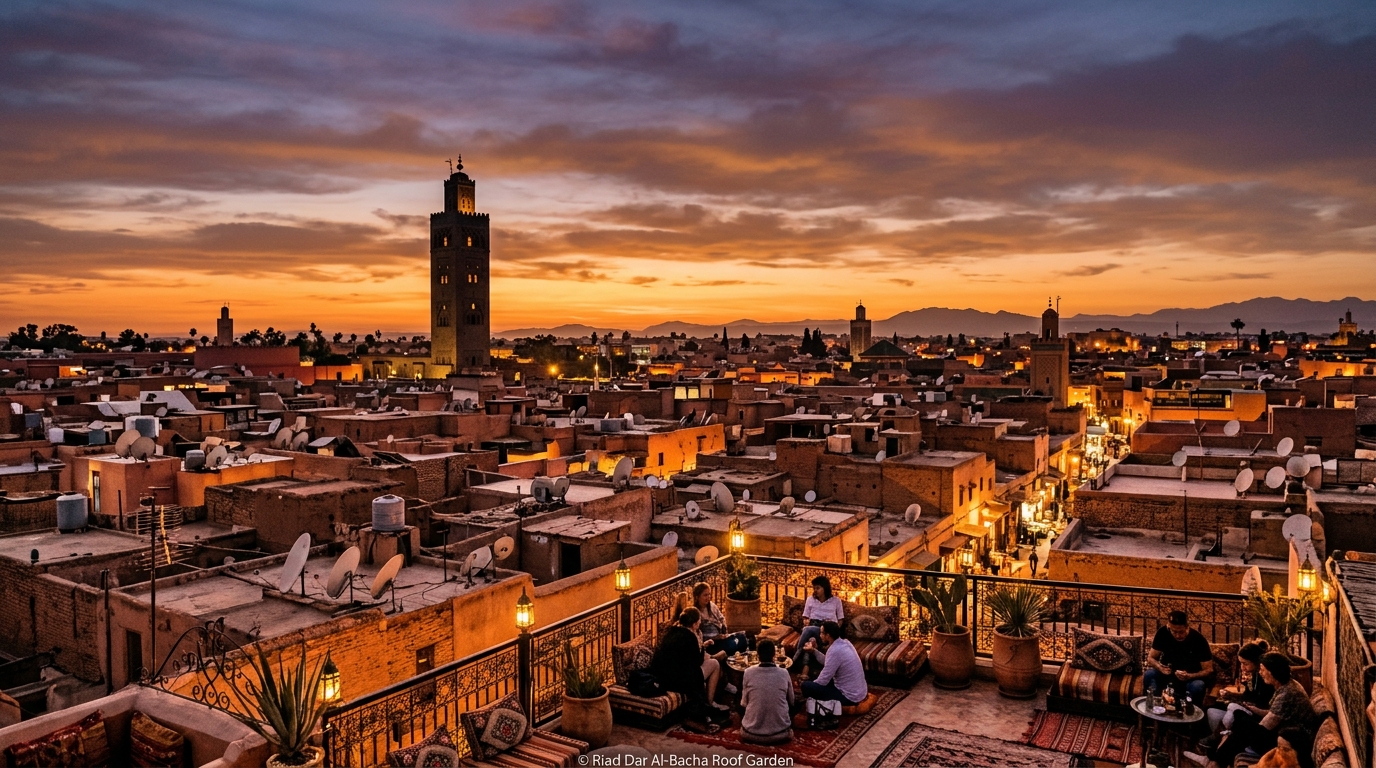
Evening: Sunset Over Jemaa el-Fna. Around 5:30 PM, take a table on the terrace of Le Grand Balcon du Cafe Glacier overlooking Jemaa el-Fna. Order mint tea (20 to 30 MAD) as charcoal smoke rises into the evening sky. For dinner, head to Mechoui Alley (Rue Derb Semmarine) for pit-roasted lamb served on butcher paper with cumin and salt for 60 to 90 MAD ($6.00 to $9.00 USD).
Day 2: Artisan Souks, The Moroccan Hammam, and Secret Gardens
Morning: Navigating the Specialized Souks. After breakfast at your riad, spend your morning exploring the artisan quarters north of the square. Focus on specialized alleys: Souk Cherratine for leather goods and duffel bags, Souk Haddadine where blacksmiths hammer iron lanterns, and Souk Sebbaghine where dyers hang skeins of wool and silk from rafters. Keep directional bearings by noting the minaret of the Koutoubia Mosque to the south.
Midday: The Restorative Hammam Experience. An afternoon bathhouse (*hammam*) visit resets your energy. You have two choices:
- Neighborhood Public Hammam: An authentic local bathhouse (such as Hammam Bab Doukkala) where you bring a bucket, black soap (*savon noir*), and an exfoliating glove (*kessa*). An attendant scrubs dead skin in steam-filled chambers. Total cost with soap, scrub, and attendant tip is 60 to 100 MAD ($6.00 to $10.00 USD).
- Boutique Riad Spa: Venues like Les Bains de Marrakech offer private marble steam rooms, gentle exfoliation, and relaxing argan oil massages in quiet settings for 350 to 750 MAD ($35.00 to $75.00 USD).
When you finish your scrub, the traditional Moroccan courtesy is to say *Saha* (meaning “to your health”) to the attendant.
Late Afternoon: Tranquility at Le Jardin Secret. Walk to Le Jardin Secret (entry 100 MAD / $10.00 USD) in Mouassine. This restored palace features an Exotic Garden and an Islamic Garden designed around geometric water channels fed by the historic *khattara* irrigation system. It is one of the quietest spaces in the medina.
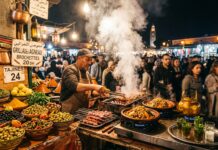
Evening: Street Food Tasting. Spend your second evening sampling dishes across Jemaa el-Fna. Try a bowl of harira soup with honeyed chebakia pastries (10 to 15 MAD), skewers of grilled kefta (30 to 45 MAD), and a bowl of spiced herbal snails (*babbouche*) for 10 MAD.
Day 3: Botanical Sanctuaries, Modern Gueliz, and Agafay Desert Sunset
Morning: Jardin Majorelle and the Yves Saint Laurent Museum. Take a Petit Taxi for 15 to 20 MAD to Gueliz. Visit Jardin Majorelle, created by Jacques Majorelle and restored by Yves Saint Laurent, featuring a cobalt blue villa amid cacti and lily ponds. Important: Entry tickets (150 MAD garden, 300 MAD combined with YSL Museum) must be booked online in advance; tickets are not sold at the door.
Midday: Contemporary Gueliz and Cafe Culture. Walk along Avenue Mohammed V and explore modern Gueliz, built during the French Protectorate era with wide boulevards and art deco facades. Enjoy lunch at Grand Cafe de la Poste, a 1920s brasserie, or stop at a sidewalk cafe for a *noss-noss* coffee (half espresso, half frothed milk) for 15 to 25 MAD.
Late Afternoon and Evening: Agafay Desert Sunset Dinner. At 4:00 PM, depart for the Agafay Desert, a stony limestone plateau (*hamada*) forty-five minutes southwest of the city. Take a camel walk across ridges as sunset illuminates the Atlas Mountains, followed by dinner at a nomadic camp like Scarabeo or Inara with tagine and campfire tea. Half-day packages cost 450 to 850 MAD ($45.00 to $85.00 USD) per person.
Marrakech vs. Casablanca: How to Allocate Vacation Time
A common planning dilemma for visitors arriving at Mohammed V International Airport (CMN) in Casablanca is deciding how to split time between Casablanca and Marrakech. Understanding the distinct character of each city prevents disappointing schedule choices.
| Feature | Marrakech | Casablanca |
|---|---|---|
| City Character | Imperial cultural capital, ancient walled medina, tourist-focused infrastructure. | Sprawling commercial metropolis, banking center, modern port city. |
| Primary Attractions | Historic Saadian palaces, artisan souks, Jardin Majorelle, medina riads. | Hassan II Mosque, art deco architecture along Boulevard Mohammed V, Corniche. |
| Atmosphere | Traditional, animated, pedestrian-heavy historic center. | Fast-paced, corporate, traffic-heavy modern streets. |
| Recommended Time | 3 to 4 days | Half-day to 1 day maximum |
Casablanca is Morocco’s economic center with 3.5 million residents, but offers few historic sights for tourists. The major exception is the monumental Hassan II Mosque, perched over the Atlantic with a 210-meter minaret. Non-Muslim visitors can enter on guided tours (entry 140 MAD / $14.00 USD) held Saturday through Thursday outside prayer hours.
The practical travel strategy is straightforward: if your flight lands in Casablanca, spend two to three hours visiting Hassan II Mosque, then take a taxi to Casa-Voyageurs train station. Regular air-conditioned ONCF electric trains depart every two hours for Marrakech, completing the journey in two hours and forty-five minutes. A second-class ticket costs 110 to 160 MAD ($11.00 to $16.00 USD), while first-class reserved seats cost 170 to 240 MAD ($17.00 to $24.00 USD). Spending multiple vacation days in Casablanca at the expense of Marrakech or Fes is a common planning mistake.
Seasonal Planning, Weather Realities, and Friday Prayer Closures
Marrakech experiences significant seasonal climate swings that influence daily sightseeing routines. Pacing your trip appropriately requires adapting to local weather and religious calendars.
Month-by-Month Weather Realities
- Spring (March to May): The most popular season to visit. Daytime temperatures range from 22°C to 28°C (72°F to 82°F) with cool evenings. Olive groves and gardens are in bloom, and snow still caps the Atlas peaks. Book accommodations three months in advance.
- Autumn (September to November): Excellent travel conditions. Summer heat breaks by late September, leaving pleasant daytime highs of 24°C to 30°C (75°F to 86°F) and clear skies. Ideal for combining city sightseeing with mountain trekking.
- Summer (June to August): Intense dry desert heat. Midday temperatures routinely reach 40°C to 44°C (104°F to 111°F). When the hot desert wind (*chergui*) blows in from the Sahara, walking becomes exhausting. Sightsee between 8:00 AM and 11:00 AM, retreat to an air-conditioned riad during peak heat, and resume exploring after 6:00 PM.
- Winter (December to February): Crisp, clear sunny days with highs of 18°C to 21°C (64°F to 70°F), but nighttime temperatures drop to 5°C to 8°C (41°F to 46°F). Traditional riads have thick earthen walls designed to keep heat out, meaning unheated rooms feel cold in winter. Verify that your riad provides reverse-cycle heating.
Friday Prayer Rhythms and Shop Closures
Friday is the Muslim holy day of congregational prayer (*Jumu’ah*). While Marrakech does not shut down completely, daily commercial schedules shift significantly between 12:00 PM and 3:30 PM.
During these hours, shopkeepers close their wooden stalls in the souks, roll down metal shutters, and gather at neighborhood mosques. Fabric markets (*qissariya*), antique dealers, and artisanal workshops remain closed until mid-afternoon. Major state-run monuments such as Bahia Palace and Saadian Tombs remain open, but the souks become quiet. Schedule a leisurely riad lunch or visit a quiet garden during Friday prayer hours rather than planning shopping expeditions.
Managing Sensory Overload in the Medina
The Marrakech medina is a high-density sensory environment filled with rumbling mopeds, shouting cart pushers, fragrant spice stalls, and shop vendors. Without intentional pacing, travelers often experience sensory fatigue by the second afternoon.
Prevent overload by dividing each day into distinct phases. Spend active mornings exploring monuments, return to the quiet courtyard of your riad for a midday break, and venture out again in late afternoon when light softens and temperatures cool. Whenever the alleys feel chaotic, step inside a cafe terrace for a pot of mint tea, or seek refuge in the peaceful courtyards of Ben Youssef Madrasa or Le Jardin Secret.
Trip Planning and Budget Matrix
The table below summarizes estimated trip costs and pacing benchmarks for different visit durations.
| Trip Duration | Recommended Pace | Daily Budget per Person (MAD) | USD Equivalent | Key Sights Covered |
|---|---|---|---|---|
| 2 Days | Fast / Intensive | 500 to 1,200 MAD | $50 to $120 | Ben Youssef, Bahia Palace, Saadian Tombs, Jemaa el-Fna night stalls. |
| 3 Days | Balanced / Moderate | 650 to 1,500 MAD | $65 to $150 | All core monuments, artisan souks, traditional hammam, Jardin Majorelle, Agafay sunset. |
| 4 to 5 Days | Relaxed / Immersion | 800 to 1,800 MAD | $80 to $180 | Full city highlights, photography museums, plus day trip to Imlil or Essaouira. |
Frequently Asked Questions
Is 3 days enough time to visit Marrakech?
Yes, three full days is the ideal amount of time for most first-time visitors. A three-day schedule allows you to explore major historical monuments like Bahia Palace and Ben Youssef Madrasa, browse artisan souks without rushing, relax in a traditional Moroccan hammam, and enjoy an evening excursion to the Agafay Desert. It provides a complete introduction to the city while preventing sensory fatigue.
Should I spend more time in Marrakech or Casablanca?
You should spend significantly more time in Marrakech. Marrakech is Morocco’s primary cultural destination, featuring ancient palaces, historic medina alleys, artisan souks, and lively evening squares. Casablanca is primarily a commercial hub and financial center. Except for touring the oceanfront Hassan II Mosque, Casablanca offers relatively few attractions for international visitors. Most travelers spend half a day in Casablanca before taking the train directly to Marrakech.
What happens on Fridays in Marrakech with prayer times and shop closures?
On Fridays, Muslims attend congregational prayers (*Jumu’ah*) at neighborhood mosques. Between 12:00 PM and 3:30 PM, many artisanal souk stalls, fabric shops, and family-owned businesses close their doors. Major government-operated monuments like Bahia Palace and Saadian Tombs remain open, and modern cafes continue serving customers. Plan a quiet sit-down lunch or relax at your riad during midday on Friday, resuming shopping after 3:30 PM when stalls reopen.
How do you handle extreme summer heat in Marrakech?
Summer temperatures in July and August routinely exceed 40°C (104°F). To manage the heat, start sightseeing early at 8:00 AM, focusing on outdoor walking before 11:00 AM. Spend the hot afternoon hours between 1:00 PM and 5:00 PM resting in an air-conditioned riad, swimming, or visiting indoor museums like the Yves Saint Laurent Museum. Drink plenty of bottled mineral water, carry electrolytes, and resume outdoor strolls after 6:00 PM when the city cools.
How do you avoid burnout and sensory overload in the medina?
Avoid burnout by pacing your day with deliberate breaks. Never schedule full days of continuous walking through the souks. Break your day into morning sightseeing, a midday rest in the quiet courtyard of your riad, and late afternoon strolls. When alleys feel chaotic, retreat to elevated rooftop cafe terraces like Cafe des Epices or quiet botanical spaces like Le Jardin Secret. Knowing when to step away from the crowd ensures an enjoyable visit.
Related Morocco Travel Planning Guides
Plan your journey across the Kingdom with our detailed regional and logistical guides:
- Marrakech Travel Guide: Complete first-timer planning guide, neighborhood overviews, transport logistics, and cultural advice.
- 15 Best Things to Do in Marrakech: Top historic monuments, palace entrance fees, opening hours, and souk navigation routes.