
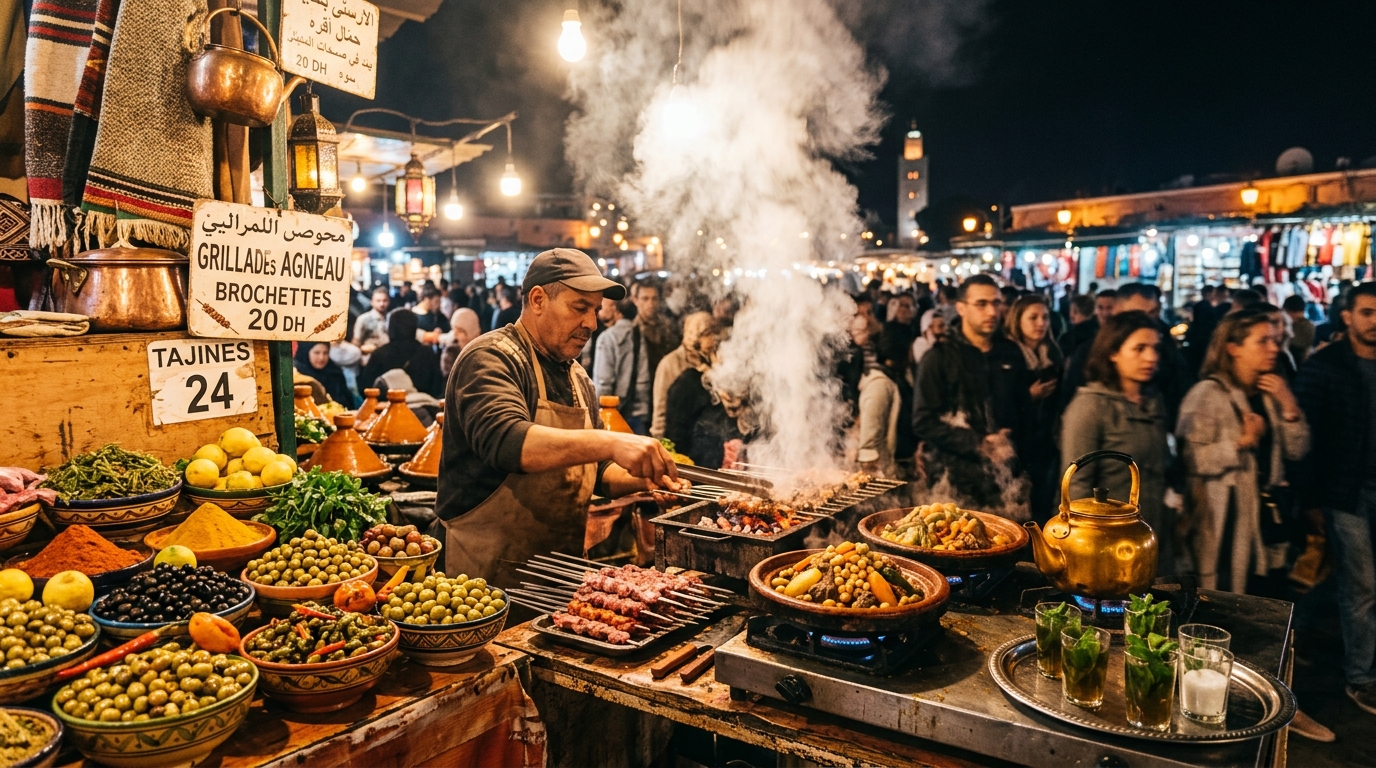
Eating in Marrakech is an immediate introduction to Moroccan culture. Medina street food vendors have operated for centuries, serving slow-cooked stews, fresh flatbreads, and meats seasoned with cumin and coriander. For visitors, the question is how to enjoy authentic cooking without falling ill. With straightforward precautions, you can explore the markets, try specialties like Tanjia Marrakchia and Mechoui, and protect your digestive health.
Moroccan cooking relies on fresh produce and slow braising that naturally sterilizes cooked dishes. Digestive problems usually stem from untreated water, unwashed hands, or prepared food sitting in warm air. Knowing how to choose stalls, what water to drink, and how to pace meals keeps your stomach comfortable throughout your journey.
Jemaa el-Fna Food Stalls: Hygiene Realities and Tout Navigation
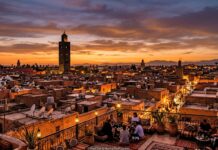
Every afternoon around 4:30 PM, workers set up tables, burners, and charcoal grills onto Jemaa el-Fna. Within ninety minutes, over one hundred temporary open-air kitchens stand ready. The health authority inspects stalls and assigns official registration numbers, but the setting has physical limitations.
The primary constraint of Jemaa el-Fna is the absence of running piped water. Stalls rely on plastic tanks and washbasins to clean plates and utensils. If a busy stall washes greasy plates in stagnant soapy water, bacteria can transfer between customers. Follow these guidelines when choosing a stall:
- Look for high customer turnover: Choose stalls crowded with Moroccan families. High turnover ensures ingredients move quickly to the grill, minimizing the time raw meats sit in open air.
- Prioritize high-heat charcoal cooking: Order skewers of minced beef or lamb (*kefta*), spiced merguez sausages, or chicken cuts cooked over white-hot charcoal in front of you. Food should arrive steaming hot.
- Avoid pre-cooked seafood: Several stalls display raw seafood on melting ice. Marrakech sits inland from the coast. Unless dining at an established restaurant with refrigeration, ordering seafood from temporary night stalls carries an unnecessary risk of food poisoning.
- Skip raw salad garnishes: Stalls frequently offer small bowls of diced tomato, onion, and cucumber (*shlada murebba*). These vegetables are rinsed in basin water. Stick to cooked vegetable sides such as roasted eggplant dip (*zaalouk*) or simmered tomato-pepper dip (*taktouka*).
- Clean your hands before eating: Moroccan street food is eaten with the fingers of the right hand using crusty flatbread (*khobz*) as a scoop. Clean your hands thoroughly with sanitizer before touching food.
Managing touts on the square requires patience. Workers steer pedestrians toward benches with laminated menus. Do not sit until you inspect the stall yourself. Check counter cleanliness, confirm the grill is active, and ask for the printed menu with prices in Moroccan Dirham (MAD).
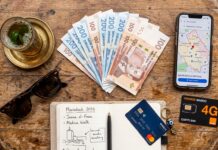
Once seated, waiters routinely set down bread, olives (*zaytoun*), and harissa sauce without an explicit order. Ask whether these condiments are included in the dish price. A standard basket of bread and olives adds 5 to 10 MAD ($0.50 to $1.00 USD). Check your total against printed menu prices, and carry small coins so the waiter does not have to hunt for change.
Iconic Marrakech Specialties Beyond the Standard Tourist Tagine
Most medina tourist cafes offer identical menus featuring chicken tagine with lemon and beef tagine with prunes. While those dishes are traditional staples of family cooking, Marrakech possesses its own culinary identity centered on slow hearth cooking, underground roasting pits, and neighborhood bakeries.
Tanjia Marrakchia: The Bachelor’s Clay Urn Stew
Tanjia Marrakchia is the signature creation of Marrakech. Unlike the wide clay tagine used across Morocco, a *tanjia* is a tall, amphora-shaped terracotta jar. Historically, unmarried male shopkeepers created this dish. On their Friday day off, workers pooled money, bought cuts of beef shank or lamb neck, and packed the meat into the jar.
Tanjia seasoning is simple: garlic, cumin, saffron, turmeric, olive oil, salt-cured preserved lemon (*hamid markad*), and a spoonful of *smen* (fermented butter). No water is added.
The jar is covered with paper, tied with wire, and brought to the *fernatchi*, the stoker heating water for the bathhouse (*hammam*). The pots sit in wood ashes for six to eight hours. Connective tissues melt into a rich gravy. Sample Tanjia Marrakchia at Chez Lamine Hadj Mustapha or Souk el-Khemis for 80 to 140 MAD ($8.00 to $14.00 USD).
Mechoui: Whole Pit-Roasted Lamb
On Rue Derb Semmarine, an alley known as Mechoui Alley located north of Jemaa el-Fna, vendors maintain deep cylindrical brick pits dug directly into the floor beneath their shops.
Each morning, wood burns down to embers in the pit. Whole seasoned lambs are lowered into the cavity. The opening is sealed with an iron lid and wet clay. The meat roasts for four to five hours until the skin turns crisp while the interior shreds easily.
You order mechoui by weight at the counter. A quarter-kilogram (250 grams) is plenty for one person. The butcher chops your portion onto butcher paper, accompanied by coarse salt and ground cumin. You sit at a wooden counter, dip the meat into the spices, and eat with warm bread. Expect to pay between 60 and 90 MAD ($6.00 to $9.00 USD) for a quarter-kilo serving.
Harira, Chebakia, and Street Snacks
As evening approaches, small soup shops along Rue Bab Doukkala begin serving *harira*. This comforting tomato-based soup contains chickpeas, lentils, celery, onions, and beef morsels, thickened with a flour slurry (*tedouira*) and vermicelli noodles. In traditional stalls, harira is served alongside *chebakia*, a flower-shaped fried cookie coated in warm honey and orange blossom water. A bowl of harira with chebakia and an egg costs between 8 and 15 MAD ($0.80 to $1.50 USD).
Nearby carts sell cooked land snails (*babbouche* or *ghlal* in Darija). The snails simmer in large copper cauldrons with a dark broth containing thyme, licorice root, aniseed, and bitter orange peel. Moroccans drink the broth for its warming qualities. When you order, the vendor provides a wooden toothpick to extract the meat. A small bowl costs 10 MAD ($1.00 USD), while a large bowl costs 15 MAD ($1.50 USD).
Tap Water, Bottled Water, and Digestive Health Precautions
The municipal tap water supplied across Marrakech by RADEEMA is chemically treated with chlorine and meets standard safety parameters. Local residents drink tap water daily without experiencing negative health effects.
However, foreign travelers have gut microbiomes adapted to their own domestic water supplies. The mineral composition and trace bacterial flora found in local pipes differ from what visitors encounter at home. Drinking tap water frequently leads to acute digestive distress, cramps, and traveler diarrhea (*kharbaq l’kersh*). Follow these practical water precautions:
- Drink sealed bottled water: Purchase bottled still spring water for daily hydration. Domestic brands include Sidi Ali and Ain Saiss. For naturally sparkling water, order Oulmes in the green bottle. Check that the plastic neck seal is intact.
- Buy from neighborhood corner groceries: Purchase water from small corner shops (*hanout*) instead of tourist cafes on Jemaa el-Fna. A 1.5-liter bottle of Sidi Ali costs 5 to 7 MAD ($0.50 to $0.70 USD) at a local shop, whereas a cafe on the main square charges 20 to 30 MAD.
- Brushing teeth: Most healthy adults can brush their teeth and rinse with hotel tap water without problems, provided they spit thoroughly. Travelers with sensitive stomachs should use bottled water.
- Ice in drinks: In established boutique riads and cafes in Gueliz, ice cubes are made using filtered water and are safe to consume. Avoid drinks with crushed ice from mobile carts in the souks.
- Fresh fruit choices: Cooked dishes are the safest choice across the city. When eating fresh fruit, choose varieties with thick peels that you remove yourself, such as oranges, bananas, and melons. Avoid pre-sliced raw vegetables sitting in the heat.
Mild traveler diarrhea can occur as your system adjusts to Moroccan cooking oils. Carry oral rehydration salts, loperamide, and bismuth subsalicylate. Pharmacies, marked by green neon crosses, dispense gastrointestinal remedies over the counter for 30 to 70 MAD ($3.00 to $7.00 USD).
Dining Budget Tiers: Street Food to Restored Palaces
Marrakech accommodates every travel budget, from backpackers eating street flatbreads to travelers dining in restored imperial courtyards. Understanding what each tier offers helps you plan your daily food spending realistically.
| Dining Tier | Typical Cost per Meal (MAD) | USD Equivalent | What You Can Expect |
|---|---|---|---|
| Street Food & Bakeries | 15 to 45 MAD | $1.50 to $4.50 | Harira soup with chebakia, freshly griddled msemen flatbread with honey, boiled snails, or skewers of kefta served with warm bread. |
| Medina Grills & Mechoui Alley | 50 to 95 MAD | $5.00 to $9.50 | A quarter-kilo of pit-roasted mechoui lamb with cumin and bread, or a clay pot of Tanjia Marrakchia at a local butcher counter. |
| Casual Rooftop Cafes | 90 to 180 MAD | $9.00 to $18.00 | A sit-down meal on a shaded terrace; includes a Moroccan salad trio, a chicken or vegetable tagine, and bottled water. |
| Boutique Riad Restaurants | 220 to 450 MAD | $22.00 to $45.00 | Multi-course dinners in quiet riad courtyards; creative interpretations of traditional recipes, pastilla pastries, and refined service. |
| Luxury Palace Dining | 500 to 1,200+ MAD | $50.00 to $120.00+ | Haute cuisine Moroccan tasting menus at historic properties such as Dar Moha or Al Fassia; full wine lists and live Andalusian music. |
For independent travelers, budgeting 150 to 250 MAD ($15.00 to $25.00 USD) per person per day allows you to enjoy breakfast at a local cafe, a shaded rooftop lunch with tagine, and an evening sampling street snacks across the square.
Beverages, Cafe Culture, and Alcohol Realities
Cafe life is central to Moroccan urban socialization. In Marrakech, neighborhood cafes fill from morning until night with residents reading newspapers, discussing politics, and watching passersby.
The national beverage is sweet mint tea (*atay bi naana*), made by brewing green gunpowder tea leaves with fresh spearmint and sugar blocks. The tea is poured from silver pots held high above glasses to create a frothy crown of bubbles (*regga*). If you prefer tea less sweet, request it with little sugar (*atay chouia sokkar*) or with sugar served separately (*sokkar bouhdo*).
Coffee drinkers should know the standard local terms. Ordering a regular *cafe* delivers an intense black espresso. If you prefer milk, order *noss-noss*, which translates to “half-and-half” in Moroccan Darija. The server will present a small glass filled with half espresso and half hot frothed milk. A glass of tea or coffee at a neighborhood cafe costs between 10 and 15 MAD ($1.00 to $1.50 USD), while tourist terraces charge 25 to 40 MAD.
Fruit carts on Jemaa el-Fna sell fresh orange juice for 5 to 10 MAD ($0.50 to $1.00 USD) per glass. Ask the vendor to press the juice directly into a clean cup without added water or ice.
Alcohol availability follows clear rules. As a predominantly Muslim city, alcohol is not consumed on streets, nor is it sold in medina street stalls. However, Morocco produces wine and brews beer, such as Casablanca and Flag Speciale. Licensed restaurants, hotel lounges, and rooftop bars throughout the medina and Gueliz serve wine, beer, and cocktails. Expect to pay 40 to 70 MAD ($4.00 to $7.00 USD) for domestic beer and 180 to 350 MAD ($18.00 to $35.00 USD) for Moroccan wine. Supermarkets like Carrefour in Gueliz maintain dedicated alcohol sections where travelers can purchase wine and spirits by showing a passport.
Frequently Asked Questions
Is street food in Jemaa el-Fna safe for tourists to eat?
Street food in Jemaa el-Fna can be eaten safely if you apply basic hygiene guidelines. Look for stalls crowded with Moroccan families, which ensures high turnover and fresh ingredients. Focus on items cooked at high heat over charcoal grills, such as spiced kefta skewers, grilled chicken, and merguez sausages. Avoid pre-cooked seafood on melting ice and raw salads rinsed in washbasins. Always sanitize your hands before eating, as food is shared using bread as a utensil.
What is the difference between Moroccan tagine and Tanjia Marrakchia?
A tagine is cooked over a charcoal brazier or stove in a shallow earthenware dish topped with a conical lid, which circulates steam and braises vegetables and meat together. Tanjia Marrakchia is cooked exclusively in an amphora-shaped clay jar filled with meat, garlic, cumin, preserved lemon, and fermented butter (*smen*), with no vegetables or extra water. The sealed jar is buried in the hot wood ashes of a public hammam furnace for six to eight hours, resulting in fall-apart tender meat in a concentrated savory sauce.
Can you drink tap water or brush your teeth with it in Marrakech?
Tap water in Marrakech is chlorinated and biologically safe for local residents, but the mineral balance often causes stomach upset in foreign visitors. Travelers should drink bottled spring water from reliable brands like Sidi Ali and Ain Saiss, which costs 5 to 7 MAD ($0.50 to $0.70 USD) for a 1.5-liter bottle at neighborhood stores. Brushing teeth with tap water is generally fine for most travelers, provided you spit thoroughly, but visitors with sensitive stomachs should use bottled water.
How much should you expect to spend on food per day in Marrakech?
A budget traveler eating street food, bakery flatbreads, and casual medina soup counters can eat comfortably for 80 to 120 MAD ($8.00 to $12.00 USD) per day. A mid-range budget of 200 to 350 MAD ($20.00 to $35.00 USD) per day covers sit-down cafe breakfasts, a shaded rooftop lunch with tagines and fresh salads, and an evening dinner with appetizers. Fine dining at historic riads or restored palace restaurants ranges from 500 to over 1,000 MAD ($50.00 to $100.00+ USD) per person.
Where can you find authentic Mechoui roasted lamb in Marrakech?
The most authentic Mechoui in Marrakech is found on Mechoui Alley (Rue Derb Semmarine), situated immediately north of Jemaa el-Fna. Shops here roast whole seasoned lambs in underground wood-fired pits for several hours each morning. You purchase lamb by weight, typically 60 to 90 MAD ($6.00 to $9.00 USD) for a quarter-kilo portion, which arrives hot on butcher paper accompanied by coarse salt, ground cumin, and crusty bread. Arrive between 11:30 AM and 1:30 PM, as the best cuts sell out quickly once the pits are unsealed.
Related Morocco Travel Planning Guides
Explore our practical planning resources to prepare for every aspect of your journey through the Red City:
- Marrakech Travel Guide: Complete first-timer planning guide, neighborhood overviews, transport logistics, and cultural advice.
- 15 Best Things to Do in Marrakech: Top historic monuments, palace entrance fees, opening hours, and souk navigation routes.